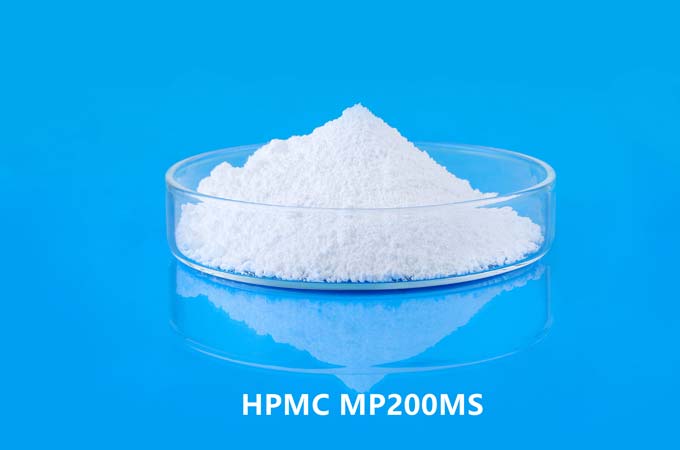
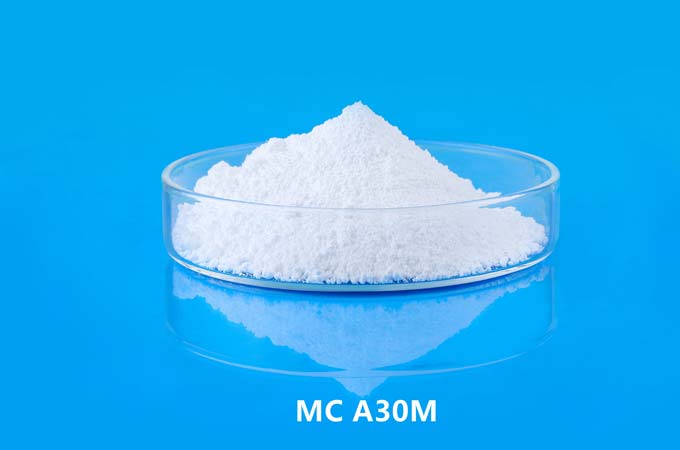
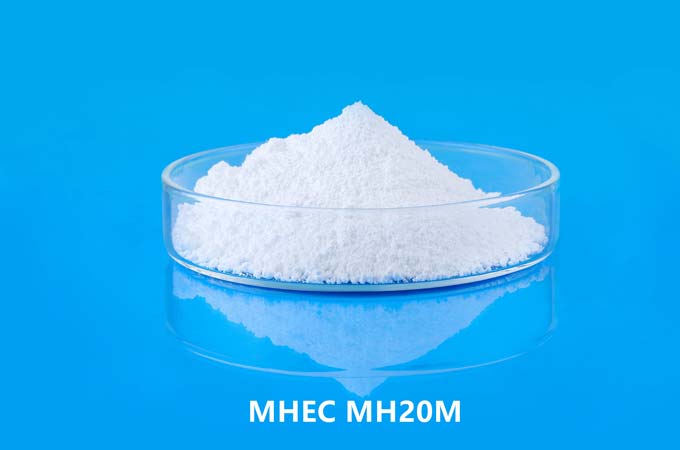
Methyl Hydroxyethyl Cellulose (MHEC) is an important non-ionic cellulose ether widely used in construction materials, coatings, personal care products, pharmaceuticals, and other industrial applications. Produced through the chemical modification of natural cellulose, MHEC combines methyl and hydroxyethyl functional groups that provide excellent thickening, water-retention, and rheological properties.
As construction technology and industrial manufacturing continue advancing, Methyl Hydroxyethyl Cellulose (MHEC) has become a key ingredient for improving product performance and processing efficiency. It provides stable viscosity, better workability, and enhanced adhesion in numerous formulations. Modern industries increasingly rely on MHEC because it supports environmentally friendly, water-based systems while improving overall product quality.
This article explores the uses, functions, advantages, and future development trends of MHEC across different industries.
Understanding the Functional Properties of MHEC
MHEC possesses several important characteristics that make it valuable in industrial applications:
Excellent water retention capability
Efficient thickening performance
Improved rheology control
Good film-forming properties
Strong suspension capability
Wide pH compatibility
Non-ionic behavior and chemical stability
These properties allow MHEC to function effectively in various formulations where consistency and stability are critical.
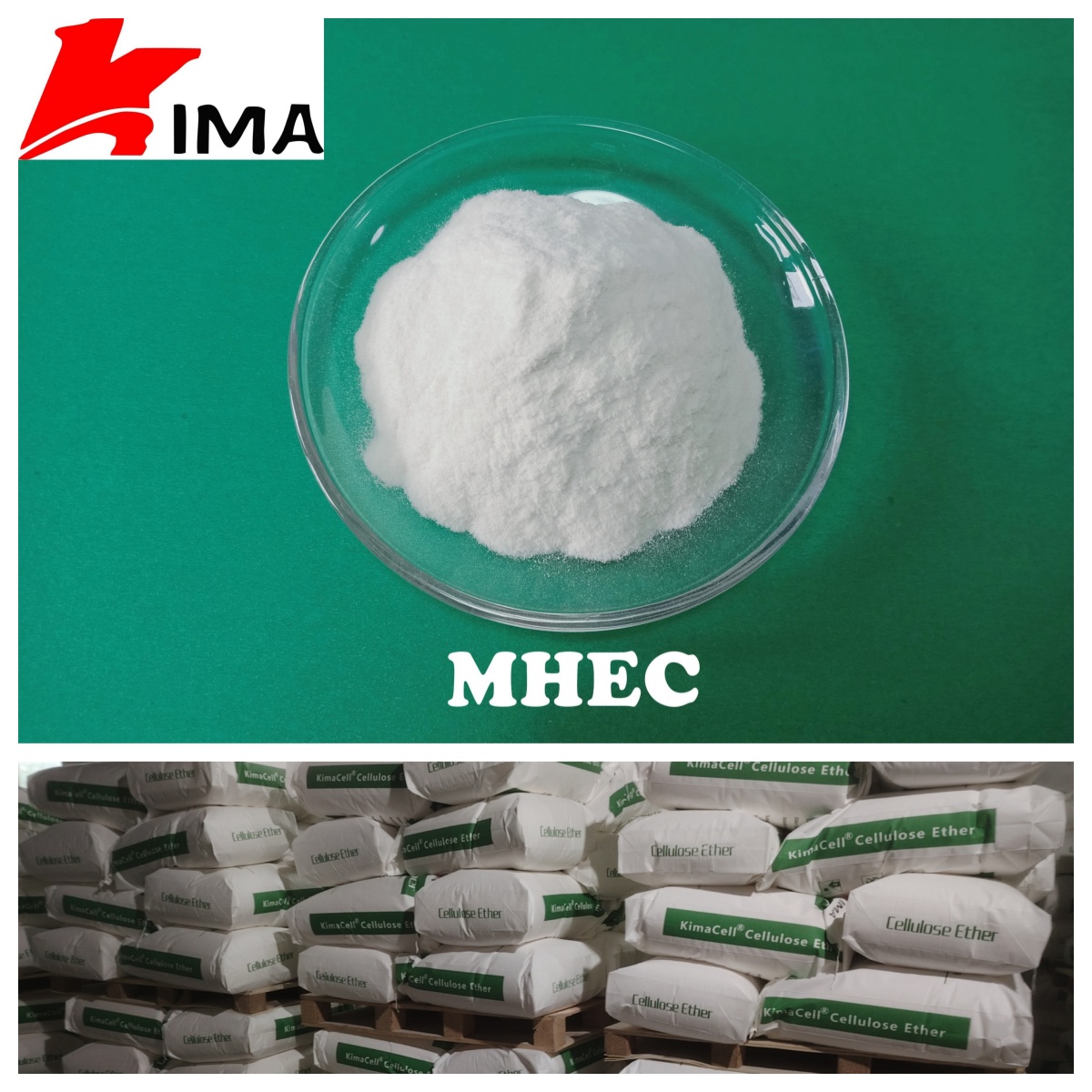
MHEC Uses in Construction Materials
The construction industry is one of the largest consumers of MHEC. Dry-mix building materials increasingly require additives that improve workability, adhesion, and durability.
Tile Adhesives
MHEC improves:
Water retention
Open time
Slip resistance
Bonding strength
Application performance
Maintaining moisture in tile adhesive formulations allows complete cement hydration, which improves final strength and reduces defects.
Wall Putty and Skim Coat
In wall finishing applications, MHEC helps:
Improve smoothness
Enhance spreadability
Reduce cracking
Increase workability
Improve surface quality
Contractors benefit from easier application and more uniform finishes.
Self-Leveling Mortars
MHEC stabilizes flow behavior and minimizes segregation, ensuring even material distribution across flooring surfaces.
Exterior Insulation Systems
MHEC contributes to better adhesion and crack resistance in insulation mortar systems.
MHEC in Paints and Coatings
Water-based coatings increasingly use MHEC because of its rheological and stabilizing properties.
Viscosity Control
MHEC increases formulation viscosity and helps optimize flow characteristics.
Benefits include:
Pigment Suspension
Paint systems contain numerous pigments and fillers that can settle during storage. MHEC helps maintain particle suspension and ensures formulation stability.
Improved Application Properties
Paints containing MHEC often demonstrate:
Better brushing performance
Reduced splashing
Improved roller application
Smooth surface appearance
These characteristics improve both coating quality and user experience.
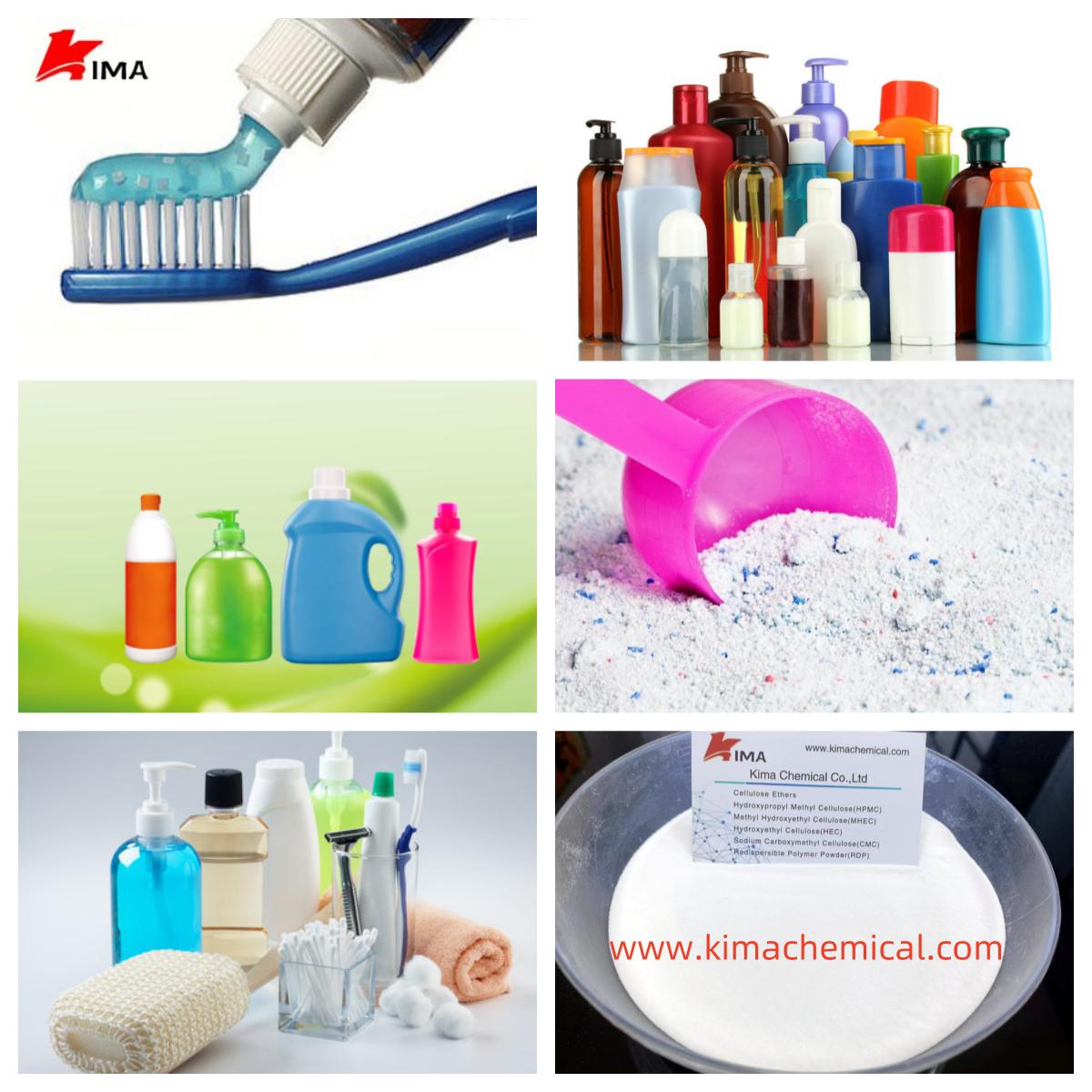
MHEC in Personal Care Products
Personal care products require ingredients that improve texture, stability, and consumer experience. MHEC serves multiple functions in this sector.
Shampoos and Hair Care Products
MHEC functions as:
Thickener
Stabilizer
Film former
It helps improve product texture and provides smoother application.
Creams and Lotions
MHEC enhances:
Product consistency
Emulsion stability
Spreadability
Moisture retention
Gels and Skin Care Products
Its water-binding properties contribute to smooth texture and stable formulations.
MHEC in Pharmaceutical Applications
The pharmaceutical industry uses cellulose derivatives extensively because of their safety and functionality.
Applications include:
Tablet Formulations
MHEC may function as:
Binder
Film-coating material
Controlled-release agent
Topical Formulations
MHEC improves viscosity and stability in creams, gels, and topical products.
Suspension Systems
It helps maintain uniform distribution of active ingredients.
MHEC in Household and Cleaning Products
Household cleaning products increasingly use MHEC to improve formulation characteristics.
Applications include:
Liquid Detergents
MHEC helps:
Surface Cleaners
MHEC contributes to:
Better cling properties
Improved spreading
Enhanced user experience
Polishing Products
Film-forming properties help improve surface appearance and protection.
Major Advantages of MHEC Uses
The growing popularity of MHEC comes from its numerous advantages:
Excellent Water Retention
Maintains moisture for proper cement hydration and coating performance.
Strong Thickening Efficiency
Provides effective viscosity control at relatively low dosage levels.
Enhanced Workability
Improves application behavior across various systems.
Environmental Compatibility
Supports water-based, low-emission formulations.
Broad Compatibility
Works with many additives and formulation components.
Improved Product Stability
Enhances shelf life and formulation consistency.
Future Market Trends for MHEC
Global demand for MHEC continues expanding because of several market factors:
Growth in Construction Activities
Urbanization and infrastructure projects increase demand for dry-mix materials.
Expansion of Eco-Friendly Products
Environmental regulations encourage water-based technologies.
Demand for High-Performance Materials
Manufacturers seek improved durability and functionality.
Advanced Formulation Technologies
New MHEC grades continue improving efficiency and compatibility.
Emerging developments include:
Surface-treated MHEC products
Fast-dissolving grades
High-performance modified formulations
Multifunctional cellulose ether systems
Challenges and Future Opportunities
Although MHEC offers many advantages, future development efforts continue focusing on:
Improved dissolution behavior
Enhanced temperature stability
Better compatibility with modern additives
Lower dosage requirements
Higher multifunctionality
Research and innovation are expected to further broaden MHEC applications in next-generation products.
Methyl Hydroxyethyl Cellulose has become a highly valuable cellulose ether used across multiple industries because of its ability to improve viscosity, water retention, rheology, and formulation stability.
Major Methyl Hydroxyethyl Cellulose uses include:
1. Construction materials
2. Paints and coatings
3. Personal care products
4. Pharmaceuticals
5. Household and cleaning products
As industries continue emphasizing sustainability, performance, and efficiency, MHEC will remain an essential ingredient in modern formulation technology and future industrial development.


 English
 日本語
日本語 français
 Deutsch
 Español
 العربية
 Türkçe
 italiano
 русский
 português
 Nederland