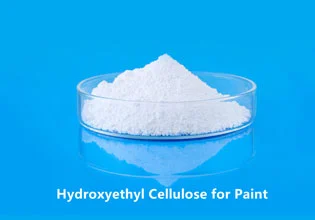
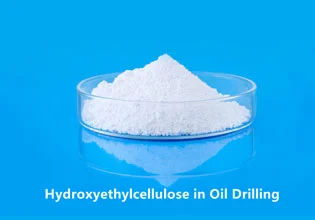
Hydroxyethyl Cellulose (HEC) is a non-ionic, water-soluble cellulose ether derived from natural cellulose through ethoxylation. It is widely used in industrial, construction, coatings, and personal care formulations due to its excellent thickening, water retention, film-forming, and stabilizing properties.
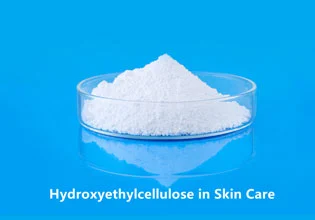
Hydroxyethyl cellulose (HEC) is a thickener and emulsifier commonly used in skin care products which can help to improve the texture, hydration, and overall health of the skin.
When added to skin care products, HEC helps to create a smooth and creamy texture that is easy to apply and feels pleasant on the skin. In addition to its texturizing properties, HEC can also have some benefits for the skin. It has the ability to hold onto water, which means that it can help to hydrate the skin and prevent it from becoming dry and dehydrated. This can be particularly beneficial for people with dry or sensitive skin.
HEC can also help to create a protective barrier on the skin, which can help to prevent moisture loss and protect the skin from environmental stressors such as pollution and harsh weather conditions.
1. Product Overview and Details of HEC
1.1 Chemical Identity
HEC Chemical name: Hydroxyethyl Cellulose
Abbreviation: HEC
Type: Non-ionic cellulose ether
Raw material: Natural cellulose (wood pulp or cotton linters)
Modification: Etherification with ethylene oxide
HEC is formed by introducing hydroxyethyl groups (-CH₂CH₂OH) into the cellulose backbone. This modification improves solubility and functional performance significantly compared with native cellulose.
1.2 Manufacturing Process
The production of HEC generally involves:
Cellulose purification
Alkalization
Etherification
Neutralization & washing
Drying and grinding
Quality grading
1.3 Physical and Chemical Properties
Appearance: White or off-white powder
Odor: Odorless
Solubility: Soluble in cold and hot water
pH (1% aqueous solution): 6.0–8.5
Ionic nature: Non-ionic polymer
Moisture content: ≤5%
Ash content: Very low (depends on grade)
Key behavior characteristics:
Forms clear, viscous solutions
Hydrates gradually in water
Shows pseudoplastic (shear-thinning) behavior
Compatible with a wide range of additives
1.4 Viscosity Grades
HEC is available in multiple HEC viscosity ranges, typically defined by molecular weight:
Low viscosity HEC
Used in: detergents, liquid soaps, sprays
Benefits: easy flow, fast dispersion
Medium viscosity HEC
Used in: paints, adhesives, emulsions
Balance between thickening and flow
High viscosity HEC
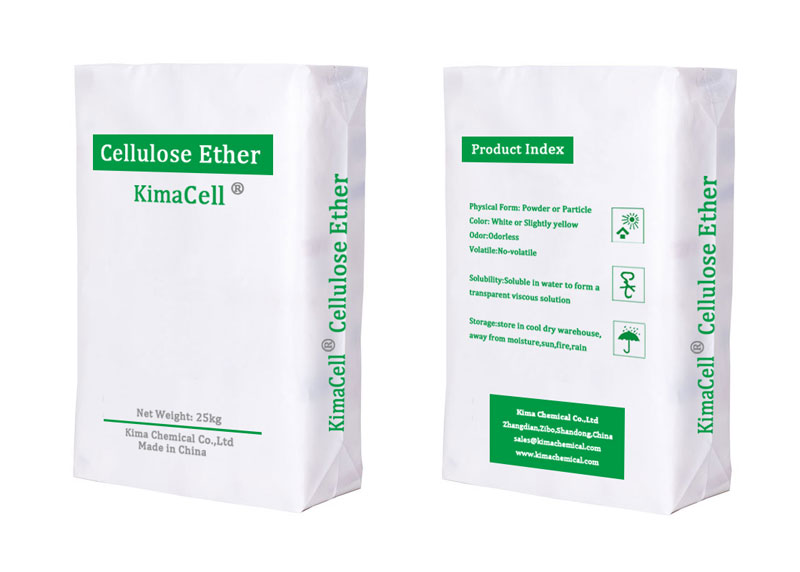
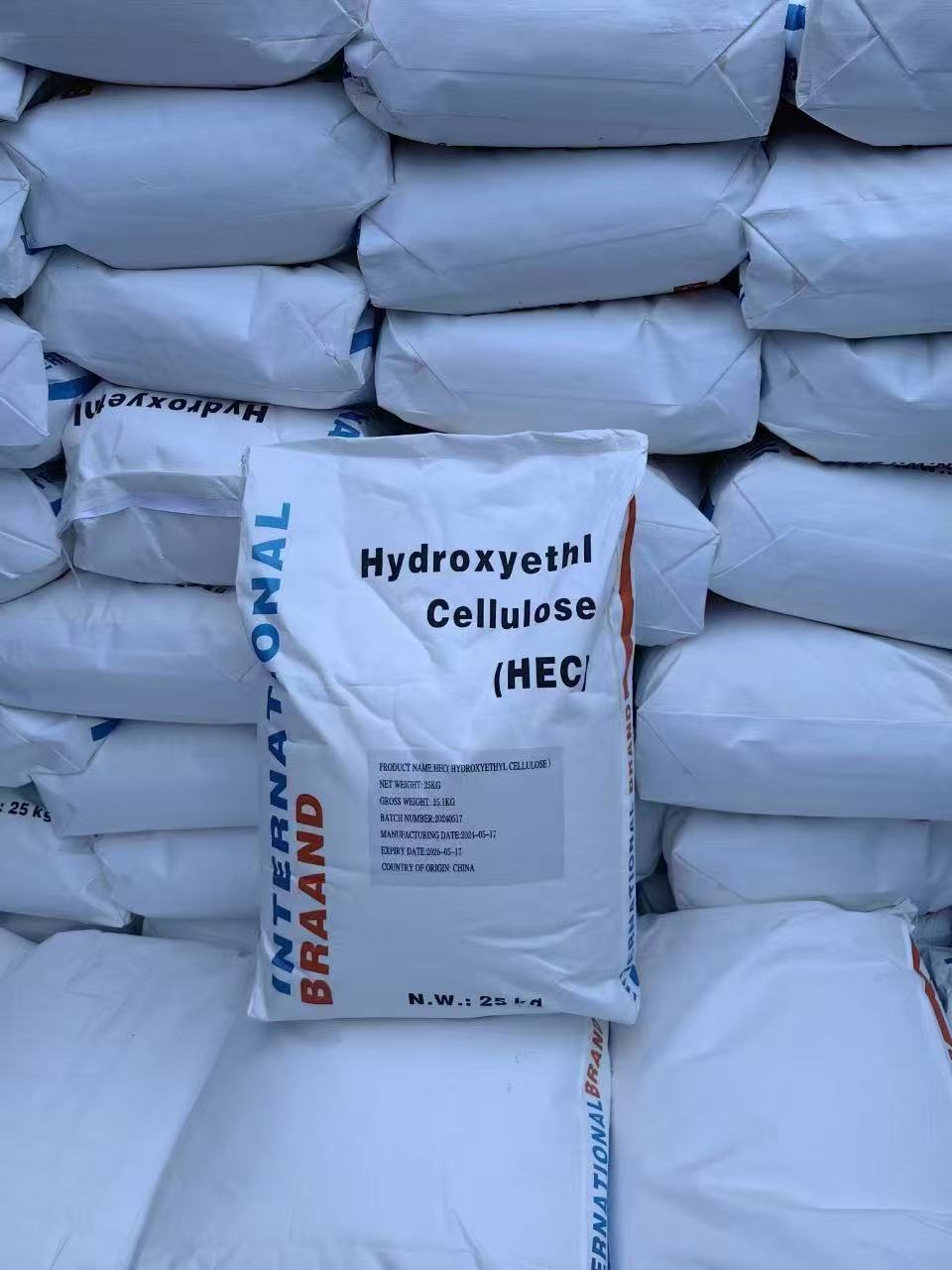
1.5 Packaging and Storage
2. Key Advantages and Features of HEC
2.1 Excellent Thickening Performance
HEC provides high viscosity at low dosage levels, making it cost-effective in formulation design.
2.2 Superior Water Retention
One of the most important features of HEC is its ability to retain water in aqueous systems.
In construction materials:
Prevents premature drying
Enhances cement hydration
Improves bonding strength
2.3 Outstanding Compatibility
As a non-ionic polymer, HEC is compatible with:
This makes it highly versatile in complex formulations.
2.4 Wide pH Stability Range
HEC remains stable in a wide pH range (approximately 2–12), making it suitable for:
Acidic formulations (cleaners)
Neutral systems (cosmetics)
Alkaline systems (cement mortars)
2.5 Excellent Rheology Control
HEC provides:
Pseudoplastic (shear-thinning) behavior
Good leveling in coatings
Anti-sagging in vertical applications
Controlled flow under stress
This ensures ease of application and good surface finish.
2.6 Good Film-Forming Ability
After drying, HEC forms a flexible, transparent film that improves:
Surface smoothness
Binding strength
Moisture resistance
2.7 Easy Dispersion and Dissolution
Modern surface-treated HEC grades offer:
2.8 Non-Ionic and Safe Nature
HEC is:
This makes it suitable for personal care and pharmaceutical applications.
2.9 Thermal Stability
HEC maintains viscosity under moderate temperature changes, making it stable in industrial processing environments.
3. Applications of Hydroxyethyl Cellulose (HEC)
3.1 Paints and Coatings Industry
One of the largest application areas.
Functions in coatings:
Thickener for latex paints
Improves brushability
Enhances leveling and smoothness
Prevents pigment settling
Stabilizes emulsion systems
Typical applications:
3.2 Construction Industry
HEC is widely used in dry-mix mortar systems.
Applications:
Tile adhesives
Wall putty
Gypsum plaster
Cement-based mortars
Benefits:
Improved water retention
Extended open time
Enhanced adhesion strength
Reduced cracking and shrinkage
Better workability and smoothness
3.3 Oil and Gas Industry
HEC plays an important role in drilling fluids.
Functions:
Viscosity control in drilling mud
Suspension of drill cuttings
Fluid loss reduction
Stabilization of borehole fluids
It is particularly valued for its salt tolerance and stability.
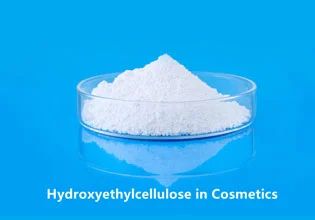
3.4 Personal Care and Cosmetics
HEC is widely used in cosmetic formulations due to its mild nature.
Applications:
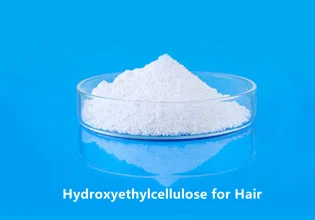
Shampoo
Conditioner
Skin lotions and creams
Facial cleansers
Toothpaste
Functions:
Know more details: HEC cosmetics.
3.5 Detergents and Household Products
HEC improves the performance of liquid cleaning systems.
Uses:
Liquid detergents
Dishwashing liquids
Multi-purpose cleaners
Benefits:
3.6 Textile and Printing Industry
HEC is used in textile printing pastes:
4. Advantages of HEC
HEC stands out due to:
Strong thickening ability
Excellent water retention
Broad compatibility
Non-ionic stability
Wide pH resistance
Film-forming properties
Easy processing
Safe and eco-friendly nature
5. FAQ – Frequently Asked Questions
Q1: What is Hydroxyethyl Cellulose (HEC) mainly used for?
HEC is mainly used as a HEC thickener, stabilizer, and water retention agent in paints, construction materials, cosmetics, detergents, and drilling fluids.
Q2: What is the difference between HEC and HPMC?
HEC: Best for coatings, cosmetics, and liquid systems
HPMC: Best for construction dry-mix mortars and pharmaceutical controlled release systems
As for HEC vs HPMC, HEC is more compatible in surfactant systems, while HPMC is more widely used in cement-based dry powders.
Q3: Is HEC safe for skin?
Yes. HEC is non-toxic, non-irritating, and widely used in cosmetics and personal care products.
Q4: How does HEC dissolve in water?
HEC should be dispersed slowly into water under agitation. It hydrates gradually and forms a uniform viscous solution without clumping if properly added.
Q5: What is the typical dosage of HEC?
Q6: Can HEC withstand alkaline environments?
Yes. HEC is stable in pH ranges from approximately 2 to 12, making it suitable for cement-based and cleaning applications.
.png "post_(5).png")


 English
 日本語
日本語 français
 Deutsch
 Español
 العربية
 Türkçe
 italiano
 русский
 português
 Nederland