Cellulose Acetate Butyrate (CAB) is a versatile cellulose ester valued for excellent film formation, flexibility, moisture resistance, durability, and compatibility. It is widely used in coatings, inks, plastics, adhesives, and specialty formulations.
KIMACELL® provides cellulose-based solutions supporting diverse industrial applications and formulation development. ellulose Acetate Butyrate for High-Performance Coatings and Industrial Applications.
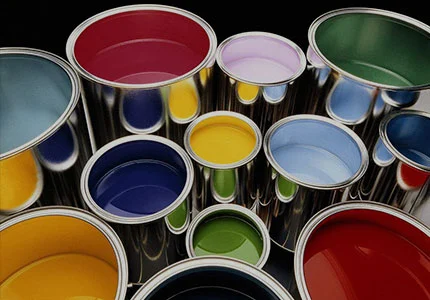
Cellulose Acetate Butyrate (CAB) is widely used as a film-forming polymer in coatings, paints, printing inks, plastics, adhesives, and specialty formulations. It improves gloss, flexibility, durability, weather resistance, and surface appearance while supporting good compatibility with other resins. CAB is particularly valuable in automotive coatings, wood finishes, industrial coatings, and decorative applications. Its balanced combination of hardness, flexibility, moisture resistance, and rapid solvent release makes it a useful cellulose derivative for manufacturers seeking improved processing and high-quality finished surfaces.
Select the Appropriate Grade
Choose a CAB grade according to viscosity, butyrate content, solvent compatibility, film hardness, flexibility, drying speed, and the performance requirements of the final formulation.
Dissolve in Suitable Solvents
Add CAB gradually to a compatible solvent system while mixing continuously. Allow sufficient time for complete dissolution and maintain appropriate temperature and agitation during preparation.
Blend With Other Ingredients
Combine the CAB solution with compatible resins, pigments, plasticizers, additives, or other formulation components. Control mixing conditions to achieve uniform dispersion and consistent performance.
Test and Optimize the Formulation
Evaluate viscosity, drying time, gloss, adhesion, flexibility, hardness, and moisture resistance. Adjust CAB concentration, solvent ratio, and additives according to application-specific performance