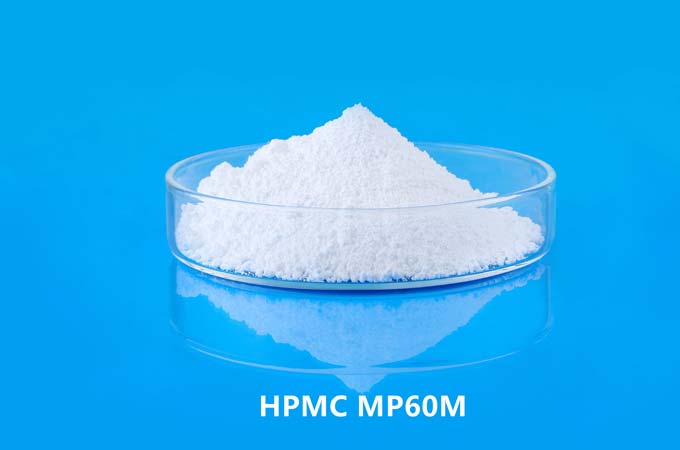
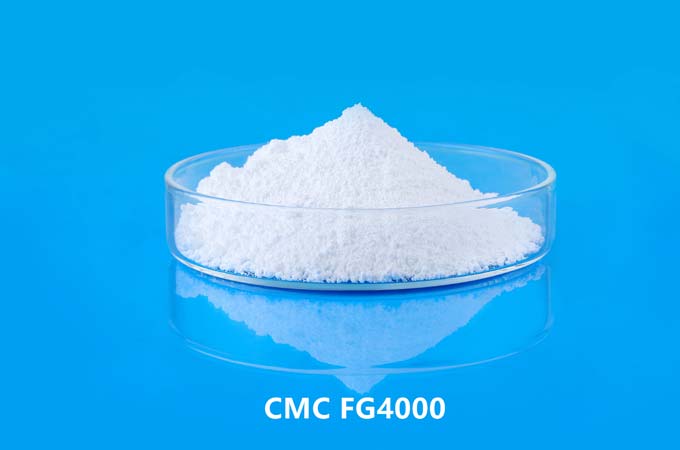
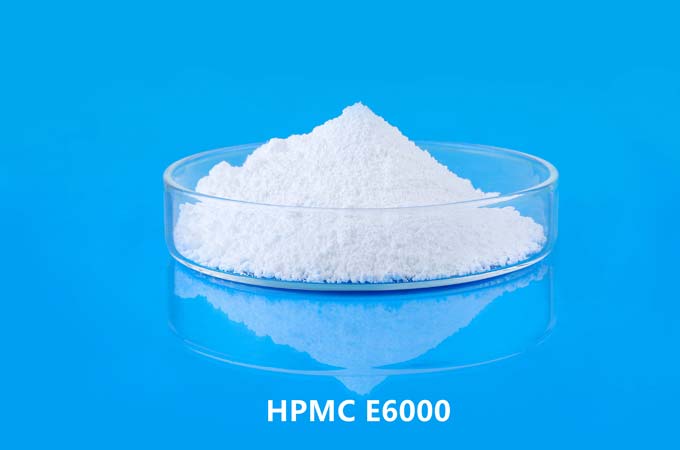
Carboxymethyl Cellulose (CMC), also known as Sodium Carboxymethyl Cellulose, is one of the most versatile cellulose derivatives used across modern industries. Produced through chemical modification of natural cellulose, CMC is a water-soluble polymer valued for its excellent thickening, stabilizing, binding, water-retention, and film-forming properties.
Because of its multifunctional performance and environmentally friendly characteristics, CMC has become an essential ingredient in industries ranging from food processing and pharmaceuticals to construction, detergents, textiles, and oil drilling.
The growing demand for sustainable, efficient, and high-performance materials has significantly expanded the global CMC market. Manufacturers increasingly rely on CMC because it improves product consistency, enhances processing efficiency, and supports environmentally responsible formulations.
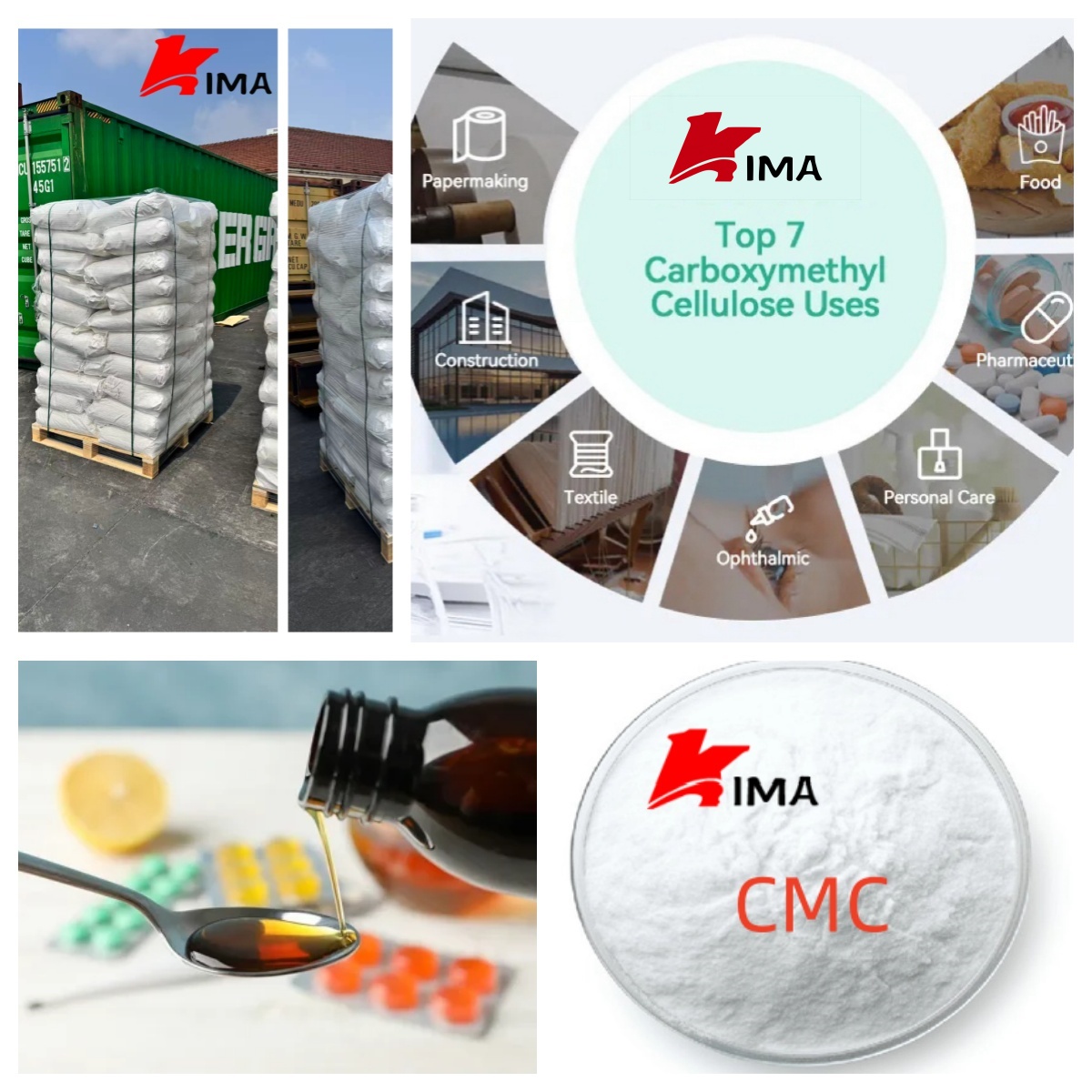
This article explores the top seven major uses of CMC and explains the benefits it provides across different industries.
CMC in Food Industry Applications
Improving Texture and Stability in Foods
The food industry is one of the largest consumers of CMC. Food-grade CMC is widely used as a thickener, stabilizer, emulsifier, and moisture-retention agent in processed foods and beverages.
CMC helps improve:
Texture
Mouthfeel
Viscosity
Product consistency
Shelf-life stability
Common applications include:
Ice cream
Yogurt
Bakery products
Sauces
Instant noodles
Beverages
Dairy products
Benefits in Food Processing
Prevents ingredient separation
CMC stabilizes emulsions and suspensions.
Improves freeze-thaw stability
Helps frozen foods maintain texture quality.
Enhances moisture retention
Keeps bakery products softer for longer periods.
Improves sensory experience
Provides smoother and more desirable textures.
As consumer demand for processed and convenience foods grows, CMC continues playing a major role in food manufacturing worldwide.
CMC in Pharmaceutical Industry
Essential Excipient in Drug Formulations
The pharmaceutical industry uses CMC extensively because of its safety, biocompatibility, and functional versatility.
CMC serves as:
Tablet binder
Thickener
Stabilizer
Controlled-release agent
Suspending agent
Applications include:
Tablets
Syrups
Eye drops
Topical gels
Oral suspensions
Pharmaceutical Benefits
Improves tablet strength
Enhances compression properties during production.
Stabilizes suspensions
Prevents active ingredients from settling.
Enhances viscosity control
Improves consistency in liquid formulations.
Supports controlled drug release
Helps optimize medication delivery performance.
Because of its non-toxic and non-irritating properties, pharmaceutical-grade CMC remains highly valuable in modern medicine production.
CMC in Detergents and Household Products
Improving Cleaning Product Performance
CMC is commonly used in detergents and household cleaning products because it functions as a soil suspension and anti-redeposition agent.
Applications include:
Laundry detergents
Liquid cleaners
Dishwashing products
Surface cleaners
Major Benefits in Cleaning Systems
Prevents dirt redeposition
Keeps removed soil particles suspended in wash water.
Improves viscosity control
Provides suitable product consistency.
Stabilizes formulations
Maintains homogeneous appearance.
Enhances user experience
Improves texture and product handling.
CMC contributes to higher cleaning efficiency and better product performance in household applications.
CMC in Oil Drilling and Energy Industry
Critical Additive in Drilling Fluids
CMC is widely used in oilfield drilling operations because of its ability to control fluid properties under challenging conditions.
In drilling fluids, CMC functions as:
Viscosity modifier
Water-retention agent
Fluid-loss reducer
Stabilizer
Benefits in Drilling Operations
Controls fluid loss
Helps maintain wellbore stability.
Improves suspension capability
Keeps drilling solids uniformly distributed.
Enhances drilling efficiency
Optimizes rheological performance.
Improves lubrication
Reduces friction during drilling operations.
As global energy exploration continues expanding, demand for high-performance drilling additives like CMC remains strong.
CMC in Textile Industry
Improving Fabric Processing and Finishing
The textile industry uses CMC in multiple production stages including printing, dyeing, and fabric finishing.
Applications include:
Textile Industry Benefits
Improves print sharpness
Enhances pattern definition during textile printing.
Stabilizes dyes and pigments
Provides consistent color distribution.
Improves yarn strength
Supports weaving efficiency during sizing operations.
Enhances fabric quality
Improves smoothness and handling properties.
CMC contributes significantly to textile production efficiency and product appearance.

CMC in Construction Materials
Enhancing Cement-Based Products
CMC is increasingly used in construction materials because of its water-retention and rheology-control properties.
Applications include:
Tile adhesives
Wall putty
Gypsum products
Cement mortars
Self-leveling compounds
Construction Benefits
Improves water retention
Supports complete cement hydration.
Enhances workability
Improves spreading and application performance.
Reduces cracking
Maintains stable moisture balance.
Improves adhesion performance
Enhances bonding strength between materials.
The growth of modern dry-mix construction materials continues expanding the role of CMC in building technologies.
CMC in Paper and Packaging Industry
Strengthening Paper Products
CMC is widely used in paper manufacturing because it improves paper strength and printability.
Applications include:
Benefits in Paper Production
Improves tensile strength
Enhances durability of paper products.
Improves print quality
Creates smoother paper surfaces.
Enhances coating uniformity
Supports better ink absorption.
Improves water resistance
Enhances packaging performance.
As sustainable packaging demand increases globally, CMC continues gaining importance in paper manufacturing.
Future Trends in the CMC Industry
Several factors are driving future growth of CMC applications:
Expansion of sustainable products
CMC supports environmentally friendly formulations.
Growth of water-based technologies
Increasing demand for low-emission systems benefits cellulose derivatives.
Rising industrial performance standards
Manufacturers require multifunctional additives.
Innovation in modified CMC products
Advanced grades continue improving compatibility and efficiency.
Future research may create specialized CMC products with enhanced thermal stability, salt tolerance, and multifunctional capabilities.
Challenges Facing the CMC Market
Despite strong growth, the industry faces challenges including:
Raw material price fluctuations
Competition from synthetic polymers
Increasing quality requirements
Environmental compliance costs
Manufacturers continue investing in technology and product innovation to maintain competitiveness.
Carboxymethyl Cellulose has become one of the most important multifunctional additives used across modern industries. Its top seven applications include:
1. Food processing
2. Pharmaceuticals
3. Detergents and cleaning products
4. Oil drilling
5. Textile manufacturing
6. Construction materials
7. Paper and packaging production
CMC improves viscosity control, stabilization, water retention, suspension performance, and processing efficiency across countless applications.
As industries continue prioritizing sustainability, efficiency, and product quality, CMC will remain an essential material shaping the future of industrial manufacturing worldwide.


 English
 日本語
日本語 français
 Deutsch
 Español
 العربية
 Türkçe
 italiano
 русский
 português
 Nederland