Best HEC Manufacturer in China: Why Kima Chemical Is a Strong Choice
Kima Chemical Co., Ltd. is one of best HEC manufacturer offering KimaCell® Hydroxyethyl Cellulose. The company specializes in cellulose ethers including HPMC, HEC, MHEC and CMC, as well as related products such as RDP, DAAM and ADH. its total cellulose ether production capacity is approximately 20,000 tons per year.
Hydroxyethyl Cellulose (HEC) is one of the most widely used nonionic cellulose ethers in modern industrial formulations. It provides thickening, water retention, rheology modification, suspension stabilization and film-forming benefits across a wide range of applications, including water-based paints, coatings, construction materials, detergents, personal care products and oilfield chemicals.
For manufacturers purchasing HEC from China, selecting the right supplier is about more than price. Product consistency, viscosity control, solubility, technical support, production capacity, quality management, packaging and international supply capability all have a direct impact on the performance of the final formulation.
As a Best HEC manufacturer in China, Kima Chemical provides a combination of manufacturing experience, multiple HEC viscosity grades and application-oriented technical support.
What Is Hydroxyethyl Cellulose (HEC)?
Hydroxyethyl Cellulose (HEC) is a water-soluble, nonionic cellulose ether derived from natural cellulose. Its CAS number is 9004-62-0.
HEC is produced by introducing hydroxyethyl groups into the cellulose polymer chain through an etherification process. This modification significantly improves the polymer's water solubility, thickening capability and compatibility with different formulation systems.
As a nonionic cellulose ether, HEC can be particularly useful in formulations where compatibility with salts, surfactants, polymers and other formulation ingredients is important.
Kima Chemical describes HEC as a multifunctional additive used as a thickener, protective colloid, water-retention agent and rheology modifier.
Key Functions of HEC
HEC can provide several important functions:
Thickening: Increases formulation viscosity and improves consistency.
Rheology modification: Helps control flow, leveling and application behavior.
Water retention: Helps reduce rapid water loss in appropriate formulations.
Suspension stabilization: Helps maintain uniform distribution of particles.
Protective colloid: Helps stabilize certain dispersed systems.
Film formation: Can contribute to film properties in coatings and other formulations.
Compatibility: Its nonionic character provides useful compatibility with many formulation ingredients.
Because of these properties, HEC is used across multiple industries rather than being limited to a single application.
Why Choose Kima Chemical as an HEC Manufacturer in China?
1. Professional Cellulose Ether Manufacturer
Kima Chemical focuses on cellulose ether production rather than treating HEC as a minor product within a broad chemical portfolio.
Its product range includes HPMC, HEC, MHEC and CMC, alongside RDP and other specialty chemicals. This cellulose-ether-focused manufacturing structure allows customers to source different rheology modifiers and formulation additives from one supplier.
For international buyers, working with a manufacturer that specializes in cellulose ethers can simplify product selection, technical communication and supply-chain management.
2. KimaCell® HEC Product Range
Kima Chemical supplies HEC under the KimaCell® brand.
KimaCell® HEC product range includes different viscosity levels designed for different formulation requirements. Examples include:
| KimaCell® HEC Grade | Typical Viscosity* | Typical Application Direction |
|---|
| HEC HS300 | 240–360 mPa·s | Low-viscosity formulations |
| HEC HS6000 | 4,800–7,200 mPa·s | Paints, coatings and industrial formulations |
| HEC HS30000 | 24,000–36,000 mPa·s | High-viscosity systems |
| HEC HS60000 | 48,000–72,000 mPa·s | High-thickening applications |
| HEC HS100000 | 80,000–120,000 mPa·s | Very high viscosity formulations |
| HEC HS150000 | 120,000–180,000 mPa·s | Ultra-high viscosity applications |
*Typical values and test methods vary by grade and concentration. Buyers should confirm the current technical data sheet before specifying a product.
Kima Chemical also provide typical HEC specifications including white-to-off-white appearance, 98% passing 100 mesh, molar substitution of approximately 1.8–2.5, pH of approximately 5.0–8.0 and moisture of no more than 5.0%.
The availability of different viscosity grades is important because HEC selection should always be based on the formulation rather than simply choosing the highest-viscosity product.
.webp "HEC (1).jpg")
HEC for Paints and Coatings
One of the most important applications for Hydroxyethyl Cellulose is water-based paint and coating formulations.
HEC can act as a thickener and rheology modifier, helping manufacturers control viscosity, application properties, suspension and formulation stability.
In architectural coatings, HEC can contribute to:
Viscosity control
Improved application consistency
Better suspension of pigments and fillers
Reduced settling
Improved water retention
Better brush and roller application
Controlled flow and leveling
Improved storage stability
The appropriate HEC grade depends on the paint formulation, solids content, desired viscosity, shear conditions and application method.
For paint manufacturers, the best HEC supplier is therefore not necessarily the supplier offering the highest viscosity. The better supplier is one that can provide consistent viscosity and appropriate grades for the customer's specific formulation.
HEC for Construction Materials
HEC is also used in various building-material formulations.
Depending on the formulation, HEC can improve water retention, consistency, workability and rheological behavior.
Potential construction applications include:
Kima Chemical identifies construction, tile adhesive, dry-mixed mortar and wall putty among the application areas for its cellulose ether products.
The correct HEC grade should be selected according to the formulation's required viscosity, water retention, workability and compatibility.
HEC for Detergents and Personal Care
HEC is also valuable in household, personal-care and cosmetic formulations.
As a water-soluble polymeric thickener, HEC can help formulate products with desirable viscosity and texture.
Typical applications can include:
Its nonionic character and water solubility make HEC an attractive rheology modifier for many aqueous formulations.
For cosmetic and personal-care manufacturers, however, product selection should consider the required purity, regulatory requirements, microbiological specifications and intended application. A technical data sheet and relevant quality documentation should always be reviewed before commercial use.
HEC for Industrial Applications
Beyond paints, construction and personal care, HEC can also be used in industrial formulations where water-soluble thickening and rheology control are required.
Potential applications include:
Kima Chemical describes its cellulose ether products as being used across construction, food, daily chemicals, ceramics, paper-making, detergents and petroleum-related applications.
This broad application range makes HEC a versatile material for manufacturers looking for a multifunctional water-soluble polymer.
How to Choose the Right HEC Manufacturer in China
When purchasing HEC from China, buyers should evaluate several factors.
1. Production Capability
manufacturer should have sufficient production capacity to support both trial orders and long-term commercial supply.
Kima Chemical offer that its total cellulose ether production capacity is approximately 20,000 tons per year.
2. Product Consistency
HEC viscosity can have a major impact on the final formulation. Consistent viscosity from batch to batch is therefore critical.
Buyers should request:
.webp "HEC (3).jpg")
3. Multiple Viscosity Grades
Different applications require different viscosity levels. A good HEC supplier should therefore offer multiple grades instead of a single universal product.
Kima Chemical publishes HEC grades ranging from relatively low viscosity to very high viscosity.
4. Technical Support
HEC dosage and grade selection can significantly affect formulation performance.
A capable manufacturer should be able to help customers evaluate:
HEC viscosity
Dosage
Dissolution method
Compatibility
Application requirements
Formulation adjustments
5. Packaging and Storage
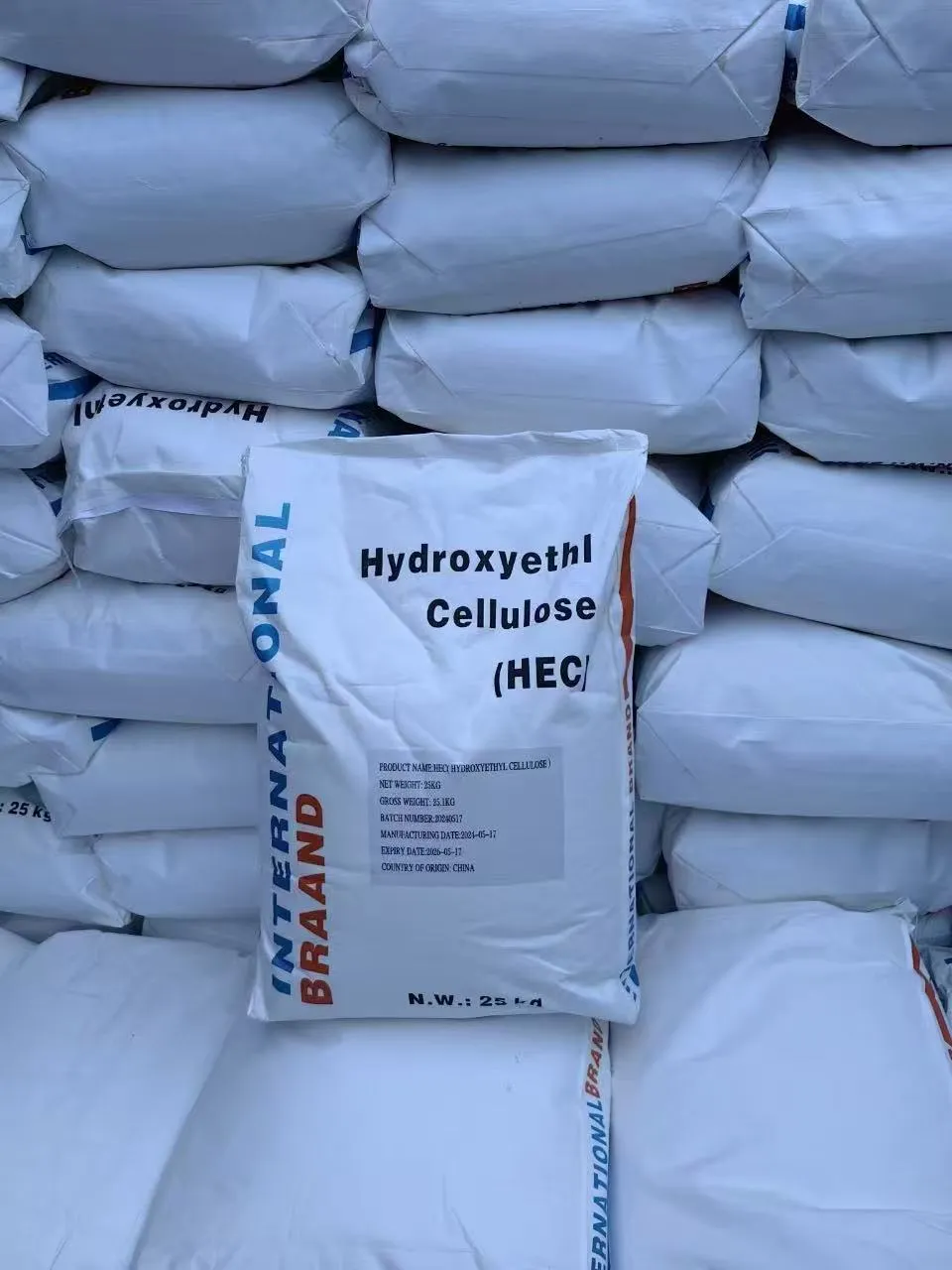
Kima Chemical HEC is packaged in a three-layer paper bag with an inner polyethylene bag, with a typical net weight of 25 kg per bag. It recommends storage in a cool, dry warehouse away from moisture, sunlight, fire and rain.
Proper packaging and storage are important because cellulose ether powders can be affected by moisture.
KimaCell® HEC: A Reliable Choice for Global Buyers
For international companies searching for HEC suppliers from China, KimaCell® HEC offers a practical combination of product variety and manufacturing capability.
Kima Chemical's published product information identifies HEC as a core cellulose ether product and provides multiple viscosity grades for different applications.
The company also provides international purchasing options including T/T and L/C and lists Qingdao as its export port. Its published information indicates a minimum order quantity of 1,000 kg for certain HEC listings, although buyers should confirm current commercial terms directly with the company.
For buyers evaluating Chinese HEC manufacturers, these factors can make Kima Chemical a competitive supplier to consider for both standard and customized requirements.
Kima Chemical HEC vs. Other HEC Suppliers
The global HEC market includes many established manufacturers and regional suppliers.
Kima Chemical is considered one of best HEC manufacturer in China based on its cellulose-ether specialization, published production capacity, product range and multiple HEC viscosity grades.
The ideal supplier depends on the buyer's:
A professional procurement process should compare suppliers based on these criteria rather than price alone.
Why Buy HEC from China?
China has become an important global HEC manufacturing base for cellulose ethers and other specialty chemicals.
For international buyers, sourcing HEC from China can provide several potential advantages:
Competitive manufacturing costs: Large-scale chemical production can support competitive pricing.
Wide product selection: Chinese manufacturers offer multiple cellulose ether grades and viscosity levels.
OEM/customization possibilities: Some manufacturers can develop or adjust products according to application requirements.
Export experience: Established suppliers can provide international shipping and documentation support.
Integrated sourcing: Buyers may be able to purchase HEC together with HPMC, MHEC, CMC and other additives.
For companies seeking a long-term HEC supplier, the most important consideration is not simply the lowest FOB price, but the total cost of ownership, including quality consistency, formulation performance, rejected batches, technical support, logistics and supply reliability.
Frequently Asked Questions About HEC
What is HEC?
HEC stands for Hydroxyethyl Cellulose. It is a nonionic, water-soluble cellulose ether used primarily as a thickener, rheology modifier, water-retention agent and stabilizer.
What is the CAS number of HEC?
The commonly used CAS number for Hydroxyethyl Cellulose is 9004-62-0.
What is HEC used for?
HEC is used in water-based paints, coatings, construction materials, detergents, personal care products, oilfield chemicals and other industrial formulations.
Is HEC a thickener?
Yes. One of the principal functions of HEC is viscosity modification and thickening in aqueous formulations.
Is HEC nonionic?
Yes. Hydroxyethyl Cellulose is generally classified as a nonionic cellulose ether.
Which HEC viscosity should I choose?
The correct viscosity depends on the formulation, target viscosity, application method, solids content and required rheological properties. Kima Chemical offers multiple HEC grades, including HS300, HS6000, HS30000, HS60000, HS100000 and HS150000.
Is Kima Chemical an HEC manufacturer in China?
Yes. Kima Chemical is a professional cellulose ether manufacturer in China and lists Hydroxyethyl Cellulose among its major products.
What brand of HEC does Kima Chemical offer?
Kima Chemical offers cellulose ether products under the KimaCell® brand.
Can Kima Chemical provide HEC samples?
International buyers should contact Kima Chemical directly to confirm current sample availability, grade selection and shipping arrangements.


 English
 日本語
日本語 français
 Deutsch
 Español
 العربية
 Türkçe
 italiano
 русский
 português
 Nederland