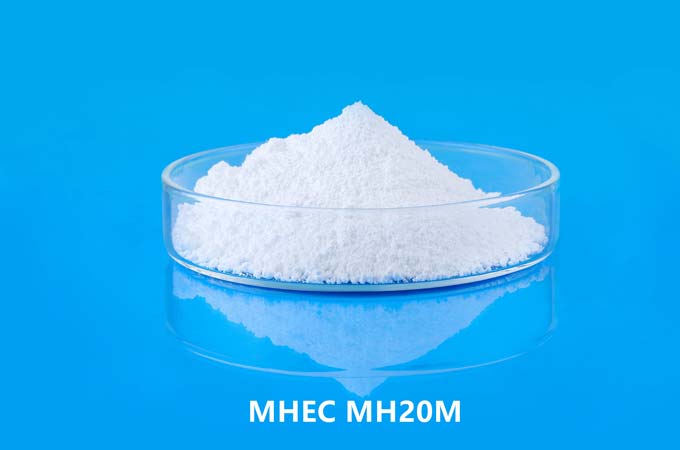
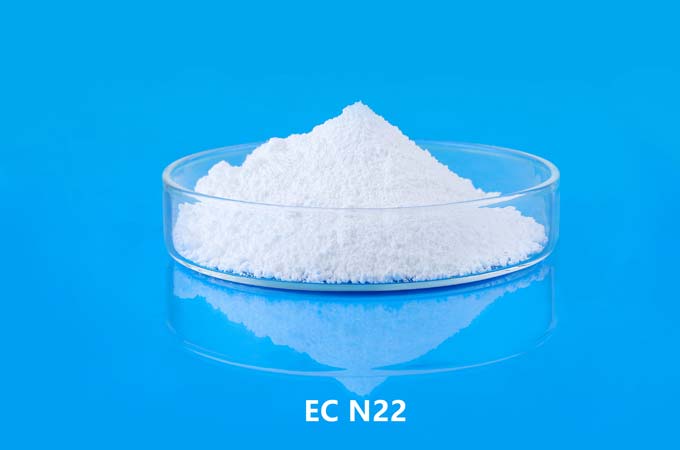
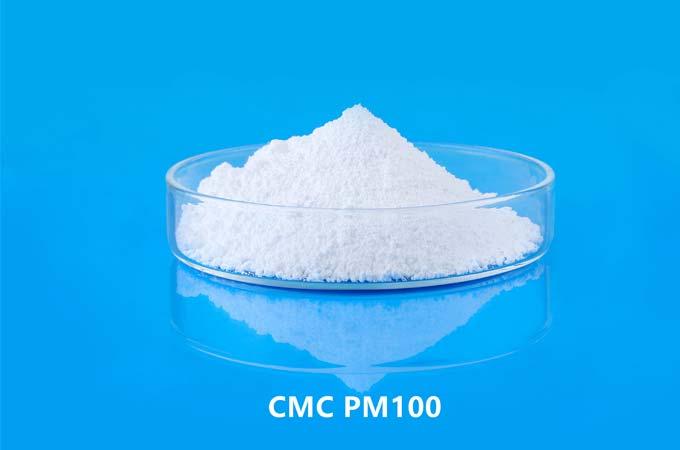
In the oil and gas industry, PAC (polyanionic cellulose) is a water-soluble cellulose ether with excellent viscosity-increasing, fluid loss reduction, and stability properties. PAC is widely used in key processes in oil and gas production, including water-based drilling fluids, completion fluids, and fracturing fluids. Its excellent physical and chemical properties and environmental compatibility make it one of the most commonly used environmentally friendly drilling fluid additives.
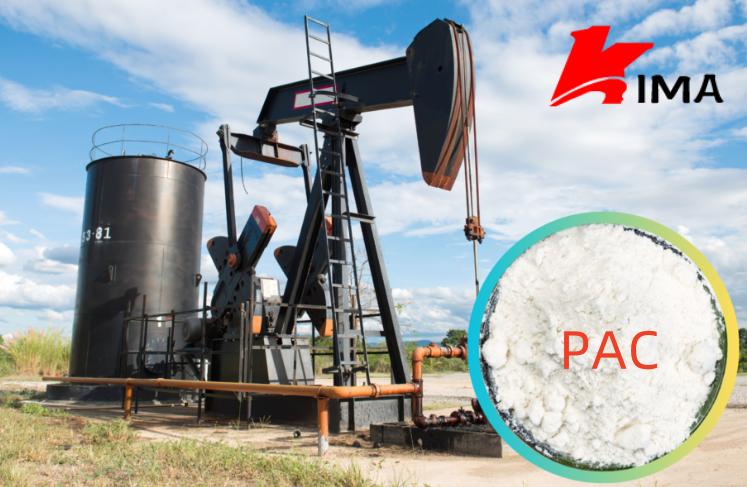
Basic Properties of PAC
PAC is an anionic polymer produced by the etherification of natural cellulose. It is typically a white or pale yellow powder that dissolves rapidly in cold or hot water to form a stable viscous solution. It exhibits excellent stability in strong alkali, salt, and hard water, and exhibits excellent high-temperature resistance, making it suitable for use in complex wellbore conditions.
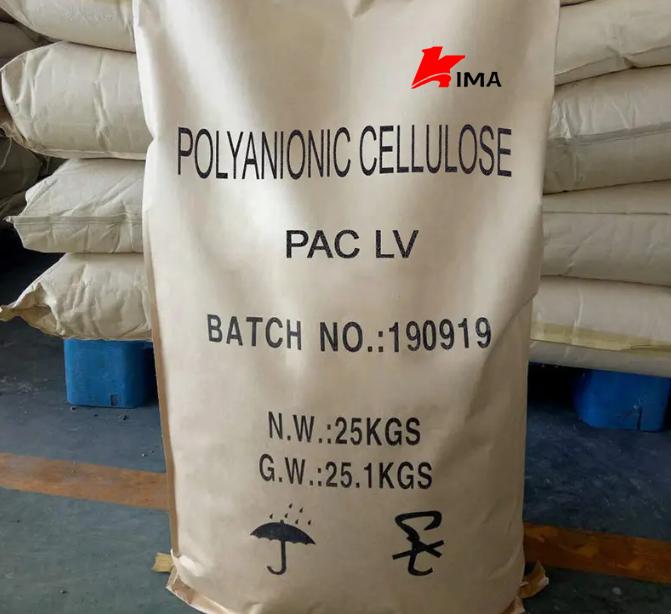
PAC is available in two grades, high viscosity (PAC-HV) and low viscosity (PAC-LV), based on the degree of substitution (DS) and viscosity, to meet different drilling and completion requirements.
Main Uses of PAC in the Oil and Gas Industry
2.1. As a Drilling Fluid Loss Control Agent
PAC is one of the most commonly used drilling fluid loss control agents. It forms a dense, low-permeability filter cake on the wellbore wall, significantly reducing drilling fluid loss, preventing formation hydration and collapse, and effectively protecting oil and gas formations from contamination.
2.2. Enhancing Drilling Fluid Stability
In high-temperature, high-pressure wells, drilling fluids are prone to stratification or instability. PAC improves the colloidal stability of the fluid system, preventing solid-liquid separation and maintaining consistent rheological properties, thereby contributing to improved drilling efficiency and safety.
2.3. Improving Drilling Fluid Rheological Properties
PAC can adjust the viscosity and shear force of the drilling fluid, optimizing its flow characteristics. This ensures excellent cuttings-carrying capacity, facilitates circulation and discharge, and improves overall drilling efficiency.
2.4. Protecting Oil and Gas Formations
PAC also plays a key role in completion and fracturing fluids. Its low damage and excellent fluidity make it easy to remove after drilling, minimizing reservoir blockage and increasing production capacity.
2.5. Environmentally Friendly
Unlike other synthetic polymers, PAC is derived from natural cellulose, is highly biodegradable, and non-toxic to groundwater and the environment, making it an ideal drilling fluid additive that meets current environmental requirements.
Advantages of PAC
Excellent salt tolerance and pollution resistance: Suitable for offshore drilling or high-salt formations;
High thermal stability: Some modified PACs maintain their performance above 120°C;
Strong compatibility: Suitable for coexistence with various drilling fluid systems, with minimal chemical conflicts;
Low dosage, high effectiveness: Optimal results are achieved with an addition level of 0.5-1.0%;
Easy to use: Easily soluble in water, easy to apply, and suitable for rapid on-site mixing.
PAC plays an irreplaceable role in the oil and gas industry, particularly in drilling and completion fluid systems. It effectively reduces fluid loss, stabilizes wellbore walls, and protects oil and gas formations, while also offering excellent environmental performance and operational adaptability. With the increasing demand for deep and ultra-deep wells and unconventional oil and gas resources, PAC and its modified products will continue to play a key role in oil and gas exploration and development.


 English
 日本語
日本語 français
 Deutsch
 Español
 العربية
 Türkçe
 italiano
 русский
 português
 Nederland