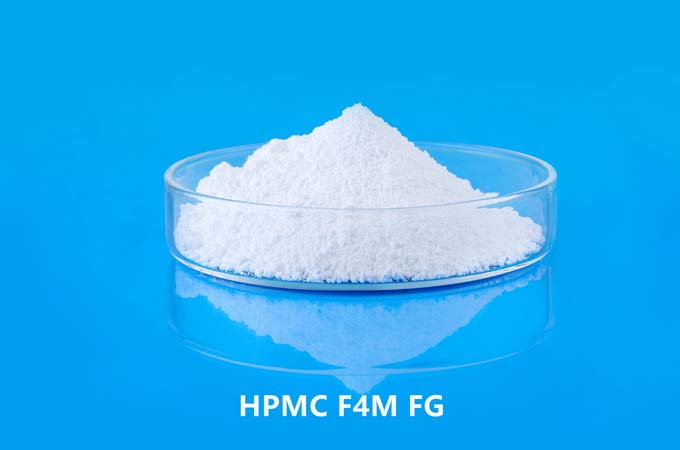
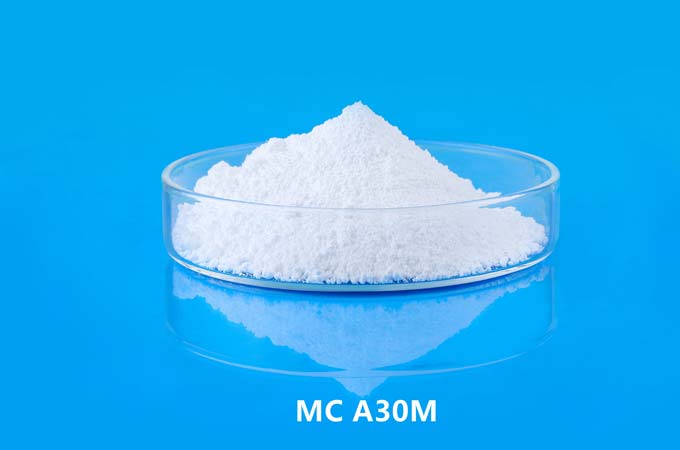
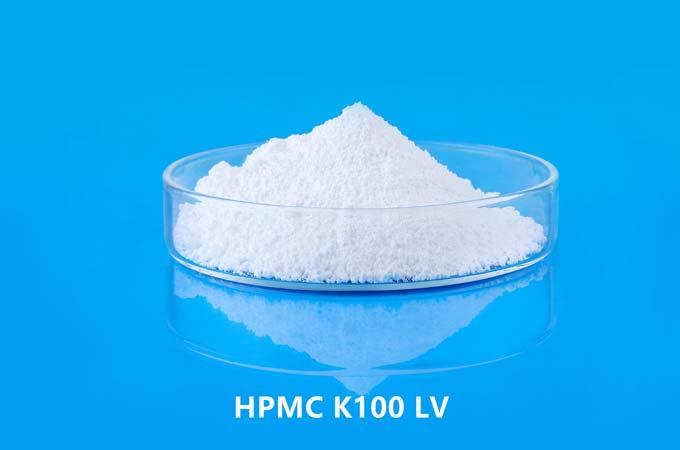
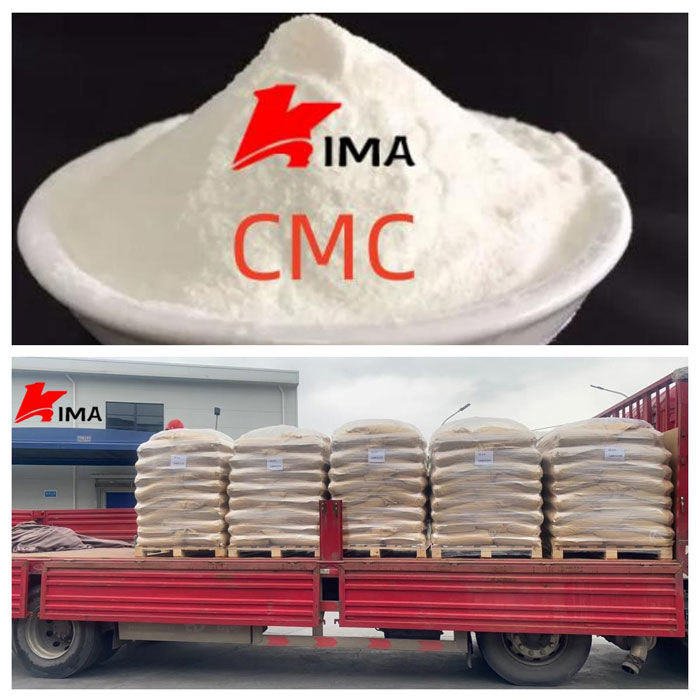
Carboxymethyl cellulose (CMC) is a semisynthetic polysaccharide derived from natural cellulose. Its excellent water solubility, biocompatibility, and low toxicity have led to its widespread use in the pharmaceutical industry. CMC can be customized based on degree of substitution, viscosity, and purity to meet the functional requirements of different dosage forms.
Functional Roles as Pharmaceutical Excipients
1.1. Tablet Binder and Disintegrant
CMC is commonly used in tablet preparation, acting as a binder to help hold drug powders in place. It also has excellent water absorption and rapidly swells in the gastrointestinal tract, promoting tablet disintegration, drug release, and improved bioavailability. Its sodium salt form (CMC-Na) is particularly common in this application.
1.2. Sustained- and Controlled-Release Carriers
CMC can be combined with other polymers (such as hydroxypropyl methylcellulose (HPMC)) to create sustained- or controlled-release drug carriers. Its strong gel-forming ability creates a viscous layer in body fluids, slowing drug diffusion and thus achieving sustained drug release and stabilizing blood drug concentrations.
1.3. Emulsion Stabilizer and Suspending Agent
In oral solutions or injectable solutions, CMC acts as a stabilizer to prevent drug sedimentation, maintain uniform drug distribution, and improve formulation stability. Its excellent dispersibility and high viscosity help enhance solution viscosity, improve mouthfeel, and prevent stratification.
1.4. Oral Preparation Excipient
Due to its excellent film-forming and adhesive properties, CMC is widely used in oral tablets, toothpastes, and oral gels. It can prolong drug retention in the oral cavity, enhancing local therapeutic effects.
Application Examples in Specific Dosage Forms
2.1. Ophthalmic Preparations
CMC is often used as a key ingredient in artificial tears for the treatment of dry eye. Its high moisturizing properties and biocompatibility can relieve ocular discomfort while also providing lubrication. Typical medications include eye drops containing CMC-Na, such as sodium carboxymethylcellulose eye drops.
2.2. Topical Ointments and Gels
In skin medications, CMC is used as a gel matrix, not only providing excellent coating properties but also helping the drug form a protective layer on the skin surface. It can also be used as a wetting agent in wound dressings, maintaining a moist environment on the wound surface and promoting healing.
2.3. Injectable Preparations
High-purity CMC can be used as a stabilizer or suspending agent in certain injectable formulations, meeting injectable-grade standards (such as low endotoxin levels and sterility). Due to its biodegradability and low immunogenicity, it has also been investigated for applications in tissue engineering and targeted drug delivery systems.

Advantages and Precautions of CMC
3.1. Advantages:
Natural Source and High Safety: CMC is derived from plant fibers, aligning with the trend toward green pharmaceuticals.
Stable Physicochemical Properties: Excellent acid, alkali, and heat resistance.
Versatile: Multiple functions, including adhesion, suspension, film formation, and controlled release.
Good Compatibility: Can coexist with a variety of drug ingredients and is not susceptible to chemical reactions.
3.2. Notes:
CMC comes in a wide variety of types. The appropriate degree of substitution (DS) and viscosity grade must be selected based on the dosage form and drug product requirements.
Low-purity CMC may contain impurities and is unsuitable for injectable or ophthalmic formulations.
Excessive dosages may affect drug release rate and require efficacy and stability verification.
As a multifunctional pharmaceutical excipient, CMC plays a key role in various dosage forms, including tablets, eye drops, and topical preparations. With the advancement of pharmaceutical technology, its application prospects in intelligent drug delivery systems and biomedical materials are expanding. Selecting the appropriate CMC type and dosage will significantly improve drug stability, safety, and patient experience.


 English
 日本語
日本語 français
 Deutsch
 Español
 العربية
 Türkçe
 italiano
 русский
 português
 Nederland