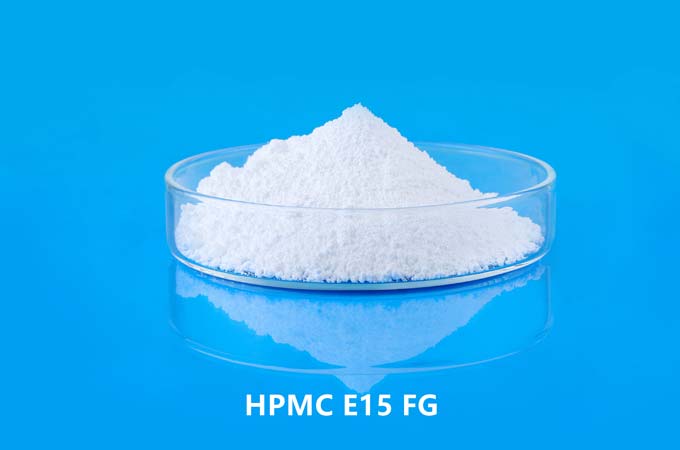
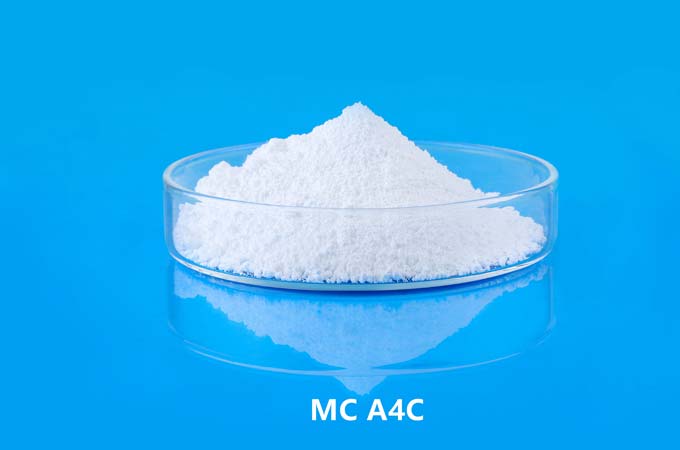
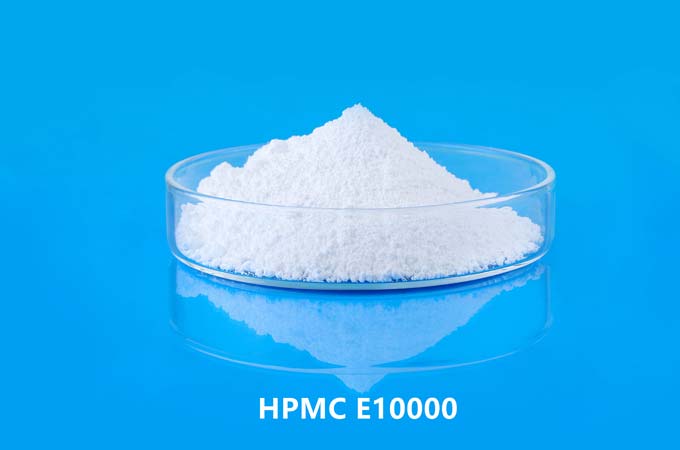
In the construction industry, HPS (hydroxypropyl starch ether) is a common functional additive used primarily as a water-retention thickener and workability enhancer in various materials, including dry-mix mortars, putty powders, tile adhesives, and gypsum products. HPS is a water-soluble polymer made from natural starch through chemical modification (usually through etherification). Combining the natural environmental benefits of starch with the excellent properties of modified materials, it plays a key role in modern green building materials systems.
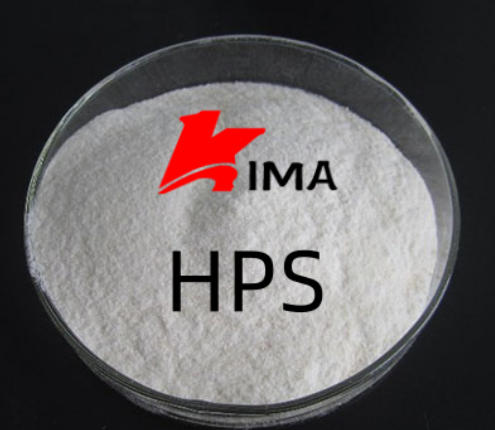
1. Basic Concept of HPS
HPS, or hydroxypropyl starch ether, is made by etherifying the hydroxyl groups in the natural starch molecule with propoxy groups, resulting in a more hydrophilic and stable molecular chain. This modification imparts HPS with excellent solubility, thickening, and water-retention properties, while also avoiding the aging and poor stability associated with natural starch upon contact with water. Because it is naturally derived and biodegradable, it aligns with the current trend in the construction industry towards low-carbon and environmentally friendly practices.
2. Key Properties of HPS
2.1. Water Retention
HPS can significantly improve the water retention capacity of mortar systems, preventing excessive water loss and ensuring full hydration of cement or gypsum, thereby enhancing strength and durability.
2.2. Thickening and Rheology Control
In construction formulations, HPS can effectively increase the consistency and adhesion of mortars, improving thixotropy during construction, making the mortar both non-flowing and easy to spread.
2.3. Improved Workability
The addition of HPS enhances the lubricity and workability of mortars, making scraping and smoothing easier and reducing construction energy consumption.
2.4. Extended Open Time
HPS can reduce the evaporation rate of mortar water, extending the open time of materials such as tile adhesives and putty powder during construction, making adjustments and handling easier for workers.
2.5. Heat Resistance and Stability
Compared to natural starch, hydroxypropyl starch ether maintains excellent stability even in high-temperature environments and is less likely to clump or settle.
3. Key Applications of HPS in Construction
3.1. Tile Adhesive
Adding HPS to tile adhesive improves the mortar's water retention and anti-slip properties, preventing tiles from falling during the application process while also increasing construction time.
3.2. Interior and Exterior Wall Putty Powder
HPS enhances the smoothness and workability of putty, making it easier to apply and creating a dense, fine surface, facilitating subsequent paint application.
3.3. Dry Mortar
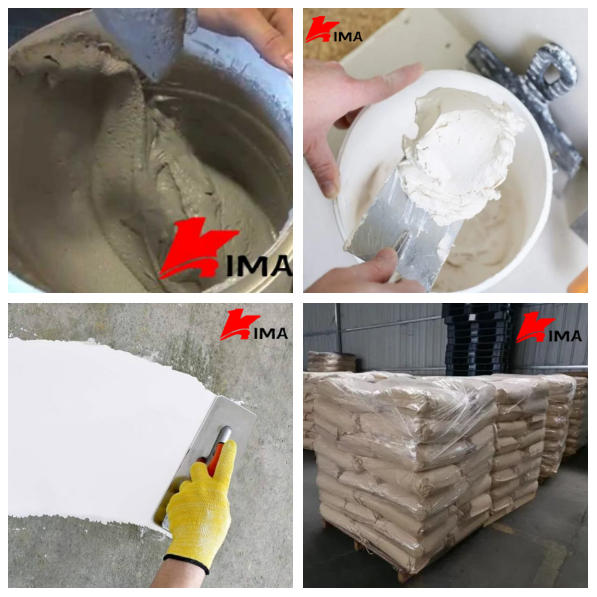
In masonry mortar, plaster mortar, and self-leveling mortar, HPS provides water retention and thickening, ensuring stable mortar strength and enhancing construction comfort.
3.4. Gypsum Products
Used in gypsum-based putty or gypsum binder, HPS improves the consistency and water retention of the gypsum slurry, reducing cracking and powdering.
3.5. Insulation Mortar and EIFS Systems
In insulation mortar and external insulation systems, HPS helps improve adhesion and water retention, ensuring a secure bond between the insulation material and the base layer.
4. Advantages of HPS
Environmentally friendly and biodegradable: Derived from natural starch, it is environmentally friendly and harmless to the human body.
Affordable cost: Compared to high-molecular-weight cellulose ethers such as hydroxypropyl methylcellulose (HPMC), HPS is less expensive and can be used as a partial replacement, reducing formulation costs.
Synergy with cellulose ethers: HPS is often used in combination with cellulose thickeners such as HPMC and HEC, achieving a synergistic effect and comprehensively improving mortar performance.
Balanced performance: It combines water retention, thickening, and improved workability, meeting the needs of a variety of building materials.
HPS is a widely used multifunctional additive in construction. With its excellent water retention, thickening, and improved workability, it plays an indispensable role in building materials such as tile adhesives, putty powders, dry-mix mortars, and gypsum products. It not only optimizes the construction experience and material performance, but also, due to its natural, environmentally friendly, and biodegradable properties, it aligns with the development of green buildings. With the increasing demand for environmentally friendly and energy-saving materials, the application prospects of HPS in the construction industry will continue to expand.


 English
 日本語
日本語 français
 Deutsch
 Español
 العربية
 Türkçe
 italiano
 русский
 português
 Nederland