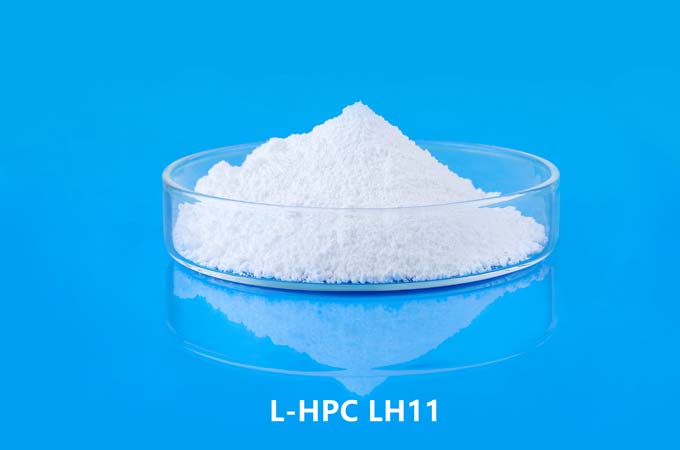
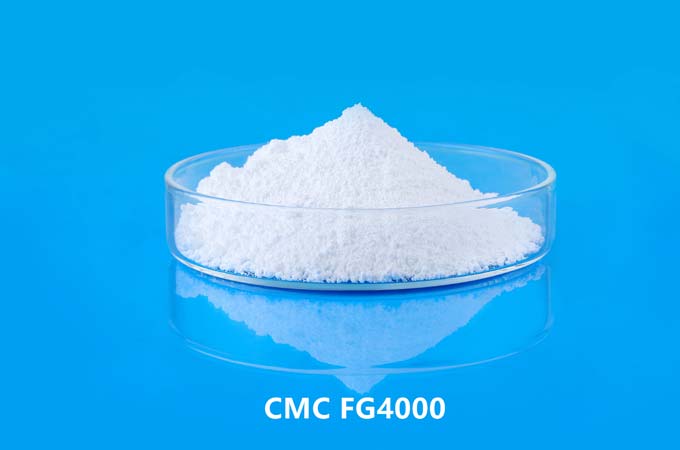
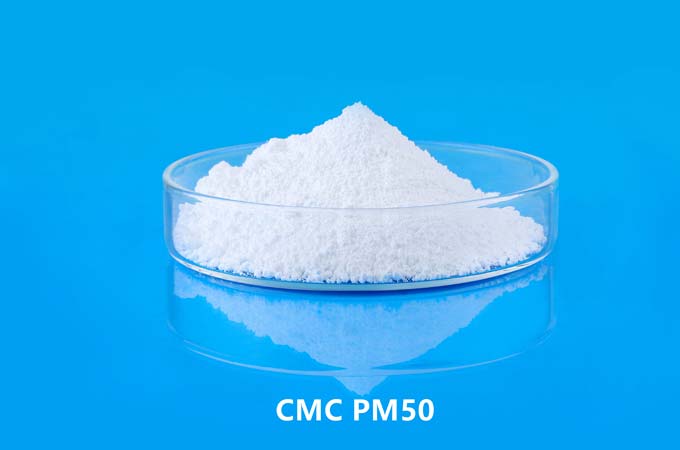
Sodium carboxymethyl cellulose (CMC) is an anionic, water-soluble polymer derived from chemically modified natural cellulose. Depending on purity and application requirements, CMC can be categorized as food-grade, pharmaceutical-grade, and industrial-grade. Industrial-grade CMC is primarily used in the petroleum, papermaking, textile, ceramics, detergent, and building materials industries. Due to its affordable price, diverse functionality, and excellent solubility, it has become one of the most widely used cellulose derivatives in modern industry.
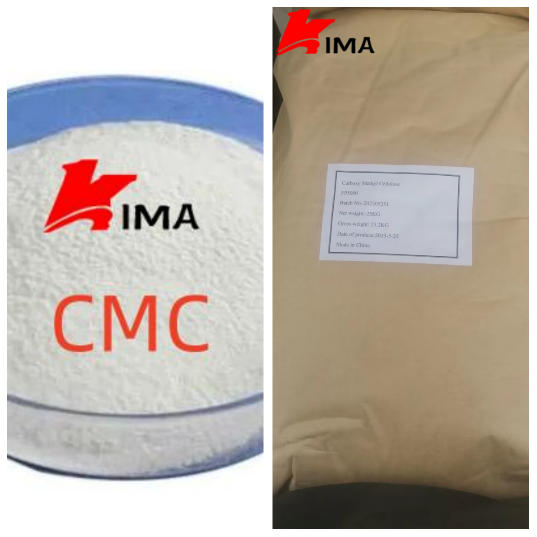
1. Basic Characteristics of Industrial-Grade CMC
Solubility: Industrial-grade CMC rapidly disperses and dissolves in cold or hot water, forming transparent or translucent viscous solutions. Its solubility is affected by the degree of substitution (DS), viscosity grade, and production process.
Viscosity Adjustment: CMC's distinguishing feature is its ability to significantly increase the viscosity of a system at extremely low concentrations. The viscosity of industrial-grade products generally ranges from several hundred to tens of thousands of mPa·s, and can be selected based on application requirements. Film-forming and Stability: Its molecular chains can form a protective film in solutions or on surfaces, exhibiting excellent emulsion stability, suspension, and anti-settling properties.
Salt Tolerance and Chemical Stability: It maintains certain properties even in high-electrolyte environments, making it suitable for use in specialized systems such as oil drilling fluids.
2. Main Applications of Industrial-Grade CMC
2.1. Oil Drilling and Production Industry
Industrial-grade CMC is a key component in drilling fluids, completion fluids, and fracturing fluids. It increases mud viscosity, improves sand-carrying capacity, and forms a filter cake on the wellbore, reducing fluid leakage and thus protecting oil and gas reservoirs. Compared to starch or other fluid loss additives, CMC exhibits superior salt and high-temperature resistance.
2.2. Papermaking Industry
CMC is used as a surface sizing agent, paper strengthening agent, and water-retention agent in the papermaking process. It enhances paper smoothness and printability, and improves stiffness and tensile strength. CMC is also used in coatings to enhance pigment dispersion and adhesion.
2.3. Textile Industry
In textile sizing, CMC can be used as a sizing component to improve yarn sizing strength, abrasion resistance, and film-forming properties, reducing yarn breakage. It also serves as a thickener and stabilizer during the printing and dyeing process, ensuring uniform color paste.
2.4. Ceramic Industry
Industrial-grade CMC is used in ceramic blanks, glazes, and printing glazes. It acts as a thickener, binder, and water-retaining agent, improving blank forming properties, increasing green strength, and reducing cracking and deformation.
2.5. Detergents
In laundry detergents and liquid detergents, CMC acts as an anti-redeposition agent, preventing secondary attachment of dirt to fabrics and enhancing cleaning effectiveness. Due to its hydrophilic and lipophilic molecular groups, it can emulsify and disperse oil stains.
2.6. Building Materials Industry
In cement- and gypsum-based building materials, CMC is used as a water-retaining agent, thickener, and additive to improve workability. It can extend the open time of mortar, improve workability, and reduce cracking and powdering.
3. Advantages of Industrial-Grade CMC
High Cost-Effectiveness: Compared with high-purity food-grade and pharmaceutical-grade CMC, industrial-grade CMC tolerates a certain amount of impurities in the production process, resulting in lower costs and suitability for large-scale applications.
Flexible Application: Depending on the degree of substitution and viscosity, it can be customized to meet the performance requirements of various industries.
Natural Source: The raw material is derived from natural cellulose, which is renewable and relatively environmentally friendly.
4. Usage and Storage Precautions
Instructions: Disperse slowly in water during dissolution to avoid clumping. If adding to a system containing salt or organic solvents, dissolve in pure water before mixing.
Storage Conditions: Store sealed in a dry, cool place to avoid moisture and clumping. Long-term storage may reduce fluidity due to moisture absorption, but generally does not affect key properties.
Safety: Industrial-grade CMC is non-toxic and harmless, but due to its high impurity content, it is not suitable for direct use in food or pharmaceutical applications.

5. Development Trends
With the advancement of green chemistry and sustainable development, industrial-grade CMC is demonstrating potential in a wide range of emerging fields. For example, CMC's applications in new energy battery slurries, environmentally friendly coatings, and 3D printing materials are being intensively researched. In the future, its role in functional modification and high-performance formulations will become even more prominent.
As a widely used water-soluble polymer material, industrial-grade CMC plays an irreplaceable role in the petroleum, papermaking, ceramics, textiles, building materials, and detergent industries. With its excellent thickening, water retention, dispersion, film-forming, and stabilization properties, it not only improves product quality but also optimizes industrial production processes. As its application technologies continue to expand, industrial-grade CMC will maintain strong market demand and development potential in both traditional industries and emerging sectors.


 English
 日本語
日本語 français
 Deutsch
 Español
 العربية
 Türkçe
 italiano
 русский
 português
 Nederland