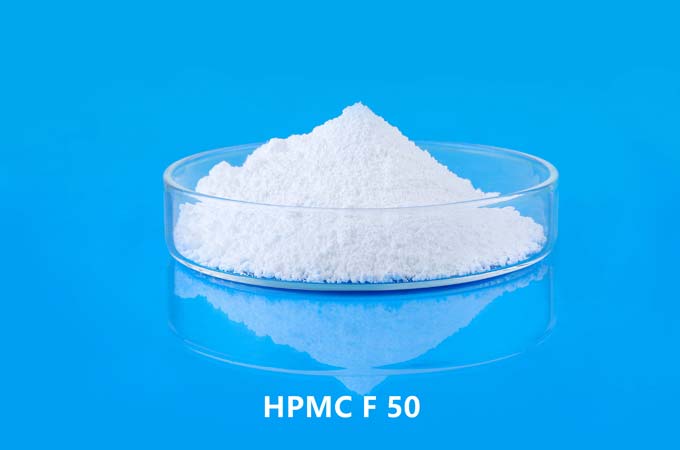
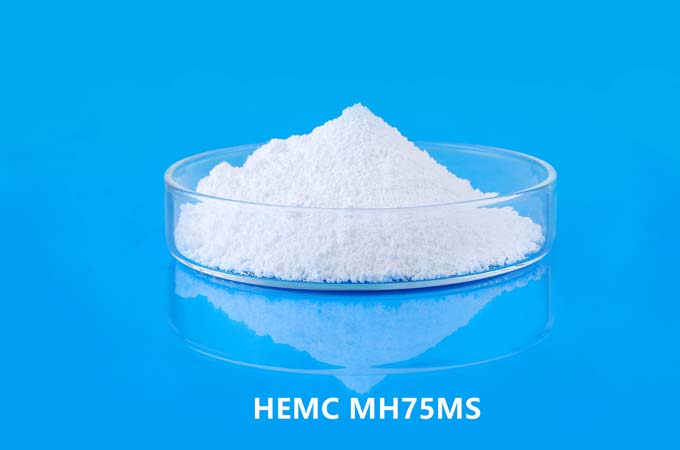
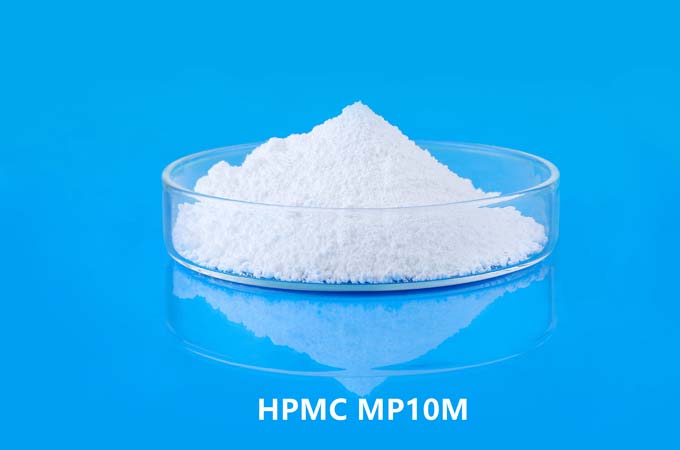
Hydroxypropyl Starch Ether (HPS) is a natural starch derivative modified through chemical processes. Due to its excellent water solubility, thickening properties, and film-forming ability, it is widely used in building materials. HPS not only improves the performance of building materials such as mortar, putty powder, and coatings, but also meets the modern construction requirements for construction efficiency, quality, and durability.
Main Functions of HPS in Building Materials
1.1. Improving Rheology and Construction Performance
HPS has a good thickening effect, significantly increasing the consistency and pumpability of cement-based materials. Adding HPS to mortar or putty powder allows the material to remain uniform and stable after mixing, preventing water separation and sedimentation, ensuring easy handling and application during construction. This is particularly crucial for construction processes such as exterior wall putty and interior wall plastering mortar.
1.2. Enhancing Water Retention
Water retention is an important indicator of the construction performance of cement-based materials. The hydrophilic groups in the HPS molecular structure effectively adsorb water, slowing down the evaporation rate and thus maintaining the wet state of the mortar, promoting sufficient cement hydration. Sufficient cement hydration not only improves the early strength of the material but also improves its final durability and bonding strength.
1.3. Improving Bonding and Adhesion
HPS can form a uniform thin film on the surface of cement particles, improving the adhesion between the mortar or coating and the substrate. This is particularly important for exterior wall putty, tile adhesive, and waterproof mortar, helping to reduce cracks, hollowing, and peeling, and improving the overall quality and service life of the building.
1.4. Regulating Drying and Hardening Speed
HPS can slow down the drying speed of the material, allowing sufficient time for adjustment and modification during construction, while reducing construction cracks. The regulating effect of HPS is particularly significant for thick coatings or large-area plastering.
Advantages of HPS in Building Materials
2.1. Green and Environmentally Friendly
HPS is derived from natural starch and is manufactured through chemical modification. It is non-toxic and harmless, meeting the requirements of modern construction for environmentally friendly materials. It does not produce harmful gases or pollute the environment during construction and use.
2.2. Strong Adaptability
HPS remains stable under varying pH and water hardness conditions, making it suitable for a wide range of building materials systems such as mortars, putties, waterproof coatings, and construction adhesives, demonstrating excellent versatility and compatibility.
2.3. Improved Overall Material Performance
The addition of HPS improves the fluidity, water retention, adhesion, and workability of building materials. The finished product also exhibits enhanced surface smoothness, crack resistance, and durability. This means reduced manual rework and material waste, while simultaneously increasing construction efficiency.
2.4. Economical and Efficient
Due to its excellent thickening and water retention effects, HPS can reduce the amount of cement and other auxiliary materials needed, thereby lowering material costs and improving construction efficiency, achieving a dual optimization of economy and performance.
Application Examples
Mortar: HPS improves the consistency and workability of mortar, increases water retention, ensures smooth application, and reduces the risk of cracking.
Putty: Using HPS in exterior and interior wall putties improves adhesion and film uniformity, resulting in a smoother and more durable putty layer.
Waterproof Coatings: HPS enhances the workability and adhesion of coatings, while also improving the integrity and durability of the waterproof layer.
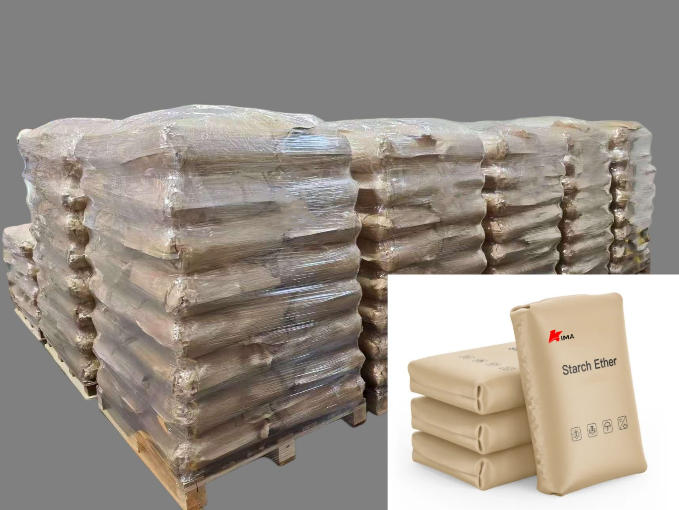
Starch ether HPS not only acts as a thickener, water retainer, and adhesion enhancer in building materials, but also offers the advantages of being environmentally friendly, economical, efficient, and widely applicable. As the demands on building material performance continue to increase, HPS will become an indispensable high-performance additive in building materials systems such as mortars, putties, and coatings.


 English
 日本語
日本語 français
 Deutsch
 Español
 العربية
 Türkçe
 italiano
 русский
 português
 Nederland