Hydroxypropyl cellulose (HPC) is a water-soluble polymer derivative derived from chemically modified natural cellulose. It combines the natural, environmentally friendly properties of cellulose with the excellent physical and chemical properties of the modified form, and is widely used in the pharmaceutical, food, cosmetic, and industrial sectors. Understanding the composition of HPC requires analysis from the perspectives of raw material source, molecular structure, and additive ratios.
1. Basic Sources and Composition of HPC
1.1. Based on Natural Cellulose
The core component of HPC comes from natural cellulose. Cellulose is a linear polysaccharide composed of glucose units linked by β-1,4-glycosidic bonds and is the most abundant natural polymer on Earth. The preparation process of HPC involves introducing hydroxypropyl substituents onto the hydroxyl groups of the cellulose molecule through an etherification reaction, thereby forming new cellulose ethers.
1.2. Hydroxypropyl Substituents
In the structure of HPC, some of the hydroxyl groups of cellulose are replaced by hydroxypropyl groups (–CH₂–CHOH–CH₃). The introduction of this substituent imparts HPC with both strong hydrophilicity and a certain degree of hydrophobicity, enabling it to dissolve in cold water while also exhibiting a certain degree of solubility in organic solvents. This amphiphilic property is a major advantage of HPC.
1.3. Molecular Skeleton
The molecular skeleton of HPC retains the glucose ring structure of cellulose. The degree of substitution (DS) and substitution distribution determine its solubility, viscosity, and film-forming properties. Generally speaking, a higher DS improves the water solubility and transparency of HPC, but also reduces its adhesive strength.
2. Analysis of the Main Components of HPC
2.1. Main Organic Polymer Components
Cellulose residues: Serves as the structural backbone, ensuring the mechanical strength and stability of the molecule.
Hydroxypropyl substituents: Improve the molecule's flexibility and solubility, making it soluble in cold water and some organic solvents.
2.2. Auxiliary Ingredients (Process Residues)
In industrial production, the synthesis of HPC involves steps such as alkalization and etherification, so the final product may contain small amounts of residual substances:
Chloropropanol or propylene oxide derivatives: These are possible intermediates in the reaction, but are typically strictly controlled to below safety standards in high-purity pharmaceutical-grade HPC.
Inorganic salts (such as sodium chloride and potassium chloride): Byproducts of the alkalization reaction, which are typically largely removed during the refining process.
2.3. Water
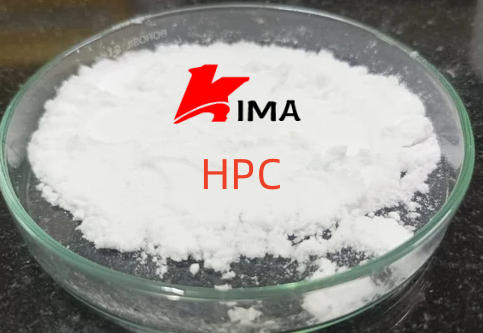
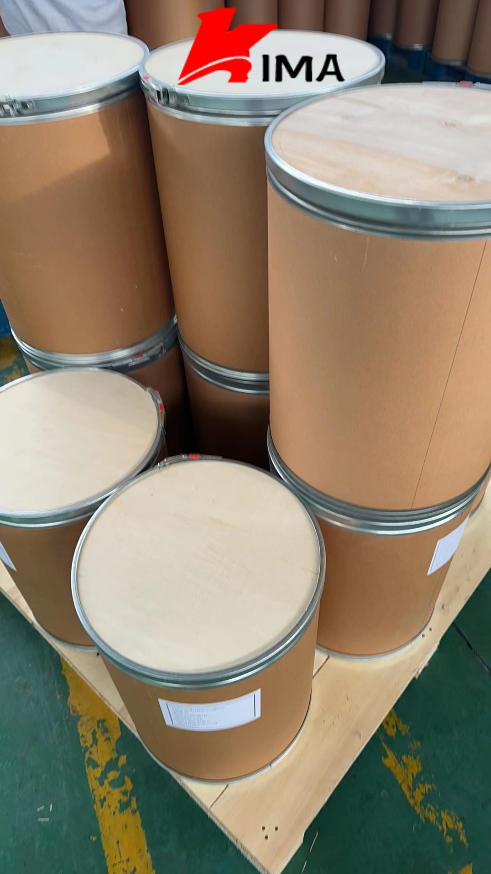
HPC is a hydrophilic polymer. Products often exist in powder or granular form and typically contain a small amount of crystalline or adsorbed water, typically between 2% and 5%. This water content has a certain impact on its flowability, solubility, and storage stability.
2.4. Additives (Optional Ingredients)
Depending on application requirements, some commercial HPC products may contain small amounts of additives, such as:
Anti-caking agents: Prevent powder from clumping due to moisture during storage.
Dispersing aids: Enhance dissolution rate and improve dispersibility in water or organic solvents. Color or marking additives: Used in specialized industries, such as coloring and marking in pharmaceutical excipients.
3. Molecular Characteristics and Physicochemical Properties of HPC
3.1. Molecular Weight Distribution
HPC has a wide molecular weight range, ranging from hundreds of thousands to millions. The higher the molecular weight, the greater the viscosity of its solution. Different viscosity grades of HPC are selected in industry based on the application.
3.2. Degree of Substitution and Substitution Distribution
The degree of substitution of hydroxypropyl groups is typically around 3.5–4.0. The uniform distribution of substituents allows HPC to form transparent solutions in water, making it suitable for pharmaceutical film coatings and food film-forming agents.
3.3. Thermoreversible Gelling
HPC is soluble in water at low temperatures, but undergoes phase separation or gelation when heated to a certain temperature. This is due to a shift in the equilibrium between the hydroxypropyl chains and water molecules. This property makes it widely used in controlled-release drug and film-forming materials.
4. HPC Purity Grades and Composition Differences
4.1. Industrial-Grade HPC
The main ingredient is hydroxypropyl cellulose.
It may contain a certain amount of process residues, such as inorganic salts.
It is commonly used in coatings, adhesives, papermaking, textiles, and other fields, with relatively low purity requirements.
4.2. Food-Grade HPC
Residues are strictly controlled and must comply with food additive standards.
It is commonly used as a food thickener, emulsion stabilizer, and film-forming agent.
4.3. Pharmaceutical-Grade HPC
It has the highest purity and must meet pharmacopoeial standards.
It contains virtually no harmful residues.
It is primarily used in tablet binders, controlled-release formulations, and film coatings.
The core components of HPC are a cellulose backbone with hydroxypropyl substituents. Depending on the application and purity grade, it may also contain small amounts of water, inorganic salts, or process residues. In some cases, auxiliary dispersants or anti-caking agents are added to commercial products. Overall, HPC has become an indispensable important polymer material in the fields of medicine, food and industry due to its safety, biodegradability and excellent physical and chemical properties.


 English
 日本語
日本語 français
 Deutsch
 Español
 العربية
 Türkçe
 italiano
 русский
 português
 Nederland