Mortar is a crucial material in construction, used for bonding bricks, blocks, stones, and other masonry units. The drying time of mortar significantly affects construction schedules, structural stability, and surface finish quality. However, many factors influence how long mortar takes to dry or cure, ranging from the type of mortar, environmental conditions, additives, and application techniques.
This article provides a detailed overview of mortar drying times, the science behind curing, factors that accelerate or delay drying, industry best practices, and tips for achieving optimal performance. Understanding mortar drying behavior is essential for builders, contractors, architects, and DIY enthusiasts to ensure structural integrity and project efficiency.
What Is Mortar and How Does It Work?
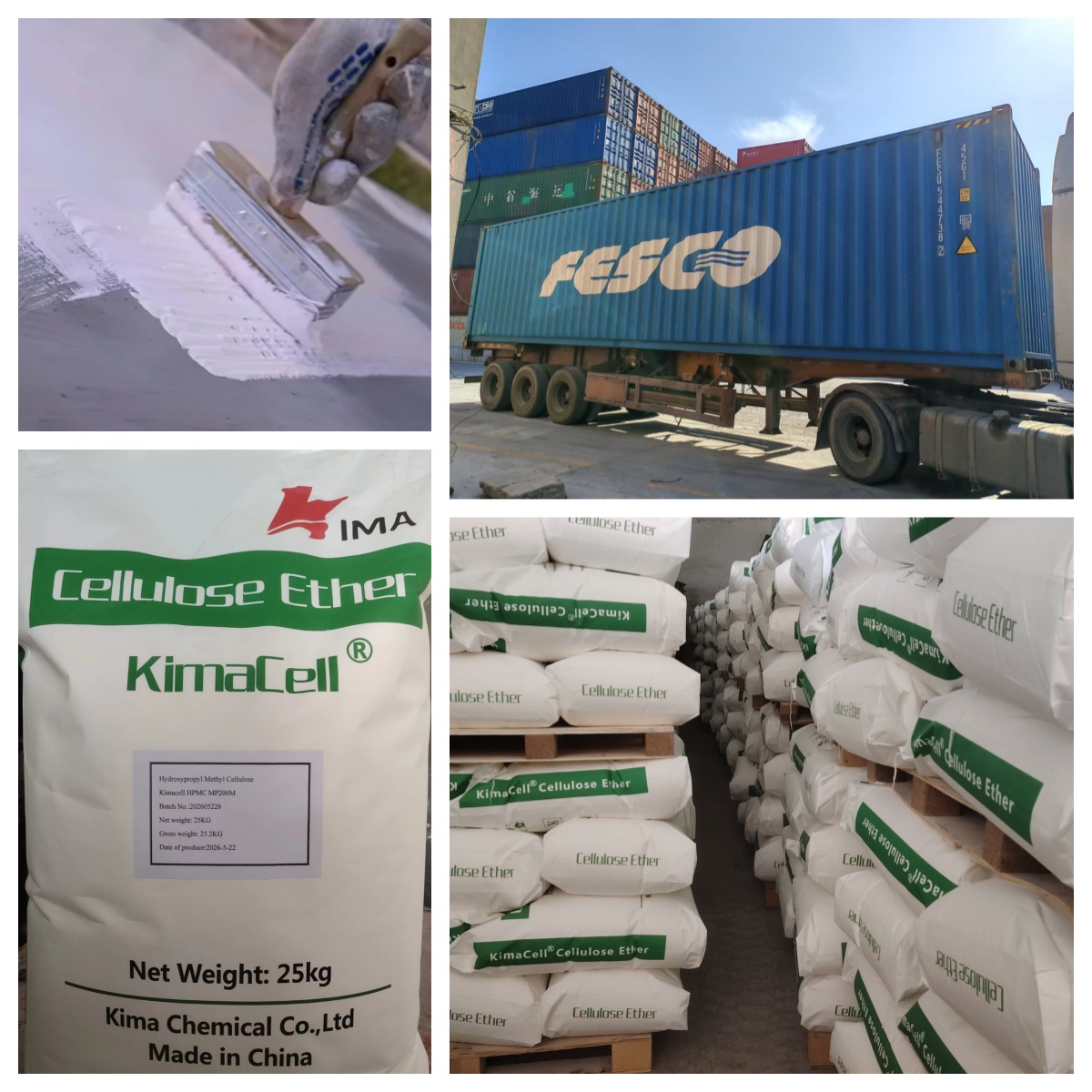
Mortar is a mixture of cement, sand, and water. Depending on the type, lime, additives, or other binders may be included. Its primary function is to bind masonry units together, providing strength and durability to walls, floors, and other structures.
Components of Mortar
1. Cement: Provides strength and acts as a binder.
2. Sand: Offers bulk, workability, and reduces shrinkage.
3. Water: Initiates hydration and makes the mixture workable.
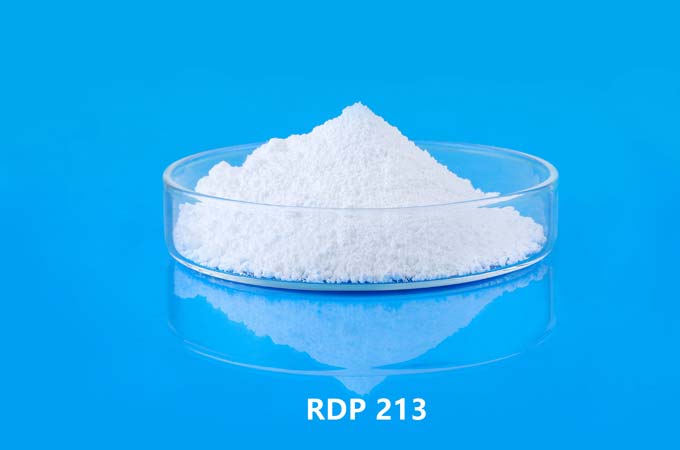
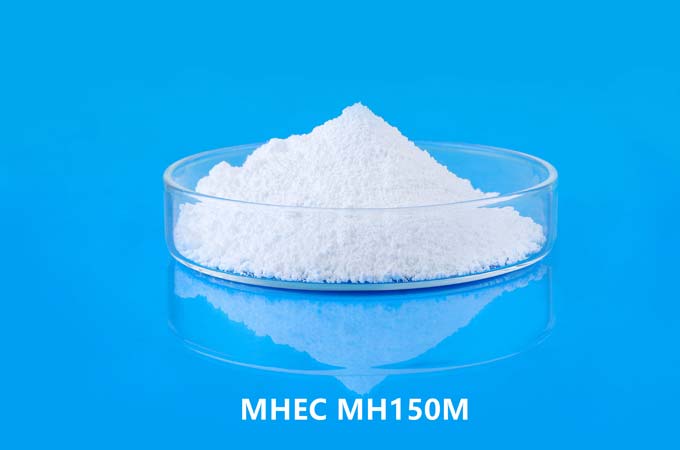
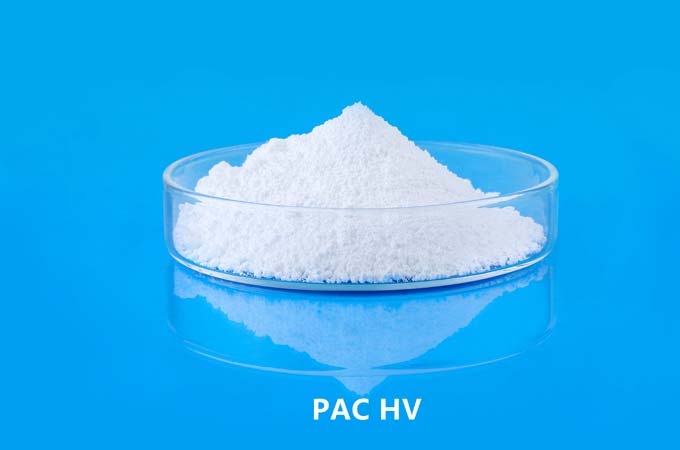
4. Additives: Enhance properties such as water retention, bonding, and curing (e.g., HPMC, CMC, PVA).
Mortar hardens through a chemical reaction known as hydration, where water reacts with cement compounds to form solid crystalline structures. Unlike paint, which dries by evaporation, mortar hardens through a combination of moisture retention and chemical bonding.
Setting vs. Drying vs. Curing
Understanding mortar drying requires differentiating between three key concepts:
1. Initial Set: The time when mortar loses its plasticity but has not yet hardened. Typically occurs within 30 minutes to 2 hours depending on the mix.
2. Final Set: When mortar hardens enough to resist significant pressure. Usually occurs 2–4 hours after application.
3. Curing Time: The period required for mortar to achieve optimal strength. While mortar may feel dry on the surface within 24 hours, it continues to cure for 28 days.
Surface dryness does not mean the mortar has reached full strength. Proper curing ensures long-term durability, adhesion, and resistance to cracking or shrinkage.
Factors Affecting Mortar Drying Time
1. Type of Mortar
Cement Mortar: Standard Portland cement-based mortar typically dries on the surface within 24 hours but reaches full strength after 28 days.
Lime Mortar: Slower setting and longer curing time; may take weeks to fully harden.
Masonry Cement Mortar: Often contains additives that accelerate setting, reducing drying time.
2. Water-to-Cement Ratio
Higher water content increases workability but prolongs drying. A low water-to-cement ratio can speed up initial set but may reduce adhesion and workability.
3. Environmental Conditions
Temperature: Higher temperatures accelerate hydration, while cold slows it down.
Humidity: High humidity slows surface drying but improves internal curing. Low humidity may cause rapid surface drying, leading to cracks.
Wind Exposure: Accelerates surface drying but can cause shrinkage and surface cracking.
4. Additives and Modifiers
Water Retention Additives (e.g., HPMC, CMC): Extend open time, maintain workability, and prevent premature drying.
Accelerators: Reduce setting time for faster construction.
Plasticizers: Improve flow and consistency without adding excess water.
5. Thickness and Application
Thicker mortar layers take longer to dry and cure due to slower moisture evaporation. Thin layers dry faster but may require careful curing to prevent cracking.
Typical Drying Times by Mortar Type
Mortar Type | Initial Set | Final Set | Surface Dry | Full Cure Strength |
Cement-Sand Mortar | 30–60 min | 2–4 hrs | 24 hrs | 28 days |
Lime Mortar | 2–6 hrs | 6–12 hrs | 2–3 days | Weeks to months |
Masonry Cement Mortar | 1–2 hrs | 3–5 hrs | 12–24 hrs | 28 days |
Thin Bed Tile Adhesive | 15–30 min | 1–2 hrs | 2–6 hrs | 7–28 days |
Exterior Wall Putty | 30 min–1 hr | 2–3 hrs | 12–24 hrs | 28 days |
Note: Drying times are approximate and influenced by environmental conditions.
Signs Mortar Is Dry and Ready
Surface feels firm to touch
No indentations or plasticity remain
Water droplets no longer soak into the mortar
Adhesion to masonry units is strong
Even if mortar appears dry, it is recommended to continue curing for several days to prevent shrinkage and maintain long-term strength.
Best Practices for Drying and Curing Mortar
1. Maintain Moisture: Cover new mortar with damp cloths or plastic sheets to prevent rapid water loss.
2. Avoid Excess Heat or Wind: Protect the surface to prevent cracking due to uneven drying.
3. Use Water Retention Additives: Products like HPMC and CMC improve workability, water retention, and open time.
4. Follow Manufacturer Instructions: Tile adhesives, wall putty, and premixed mortars often have specific curing recommendations.
5. Proper Layer Thickness: Apply recommended layer thickness to optimize drying and curing.
6. Gradual Exposure: Avoid heavy loads or stress on newly applied mortar until it has achieved adequate strength.
How Additives Impact Mortar Drying
These additives allow manufacturers to control mortar performance and optimize drying and curing for both interior and exterior applications.
Common Issues and How to Avoid Them
Cracking: Often caused by rapid drying, excessive thickness, or low water retention.
Weak Bonding: May occur if mortar dries too quickly or water content is insufficient.
Surface Dusting: Happens if mortar is overexposed to wind or heat before curing.
Uneven Drying: Can result from inconsistent layer thickness or poor environmental control.
Proper formulation, careful application, and controlled curing can prevent these issues and ensure durable, high-quality masonry work.
Advanced Techniques for Accelerating Mortar Drying
Use of Quick-Set Mortars: Specialized formulations set faster for time-sensitive projects.
Controlled Heating: Moderate heating can accelerate hydration in colder climates.
Reduced Water-to-Cement Ratio: Improves initial setting speed but must be balanced for workability.
Use of Accelerators: Calcium chloride or other approved chemical accelerators can reduce setting time in specific applications.
Mortar Drying in Modern Construction Projects
In modern construction, particularly in commercial and high-rise buildings, understanding mortar drying time is critical for:
Scheduling sequential construction activities
Ensuring structural stability before load-bearing
Coordinating tile, plaster, or finish applications
Reducing downtime in fast-paced projects
With the growing use of dry-mix mortars, polymer-modified mortars, and premixed adhesives, manufacturers provide clear guidance on drying and curing times, ensuring quality and efficiency.
Mortar drying time is influenced by multiple factors including the type of mortar, environmental conditions, water content, layer thickness, and additives. While surface drying may occur within hours, full curing and strength development can take up to 28 days. Understanding these variables allows builders, contractors, and DIY enthusiasts to optimize application, avoid defects, and achieve long-lasting construction results.
Using modern additives like HPMC, CMC, and RDP improves water retention, flexibility, and adhesion, ensuring that mortar performs reliably under varying conditions. Proper curing techniques, adherence to manufacturer guidelines, and attention to environmental factors are essential for achieving the desired strength, durability, and finish quality in any masonry project.
Mortar may seem simple, but controlling its drying and curing is a science that ensures every brick, block, and tile stands the test of time.


 English
 日本語
日本語 français
 Deutsch
 Español
 العربية
 Türkçe
 italiano
 русский
 português
 Nederland