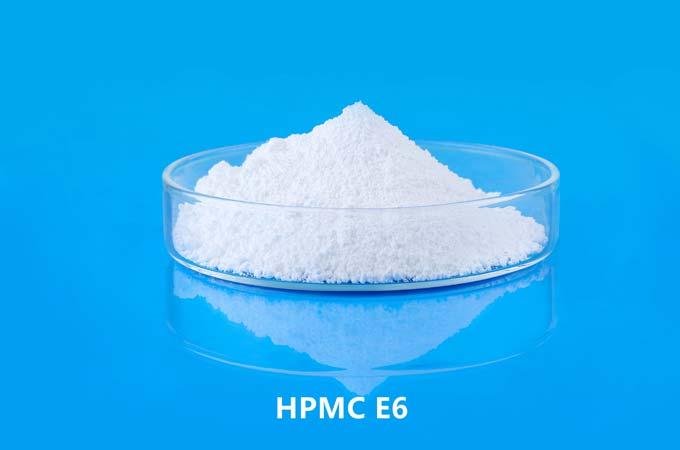
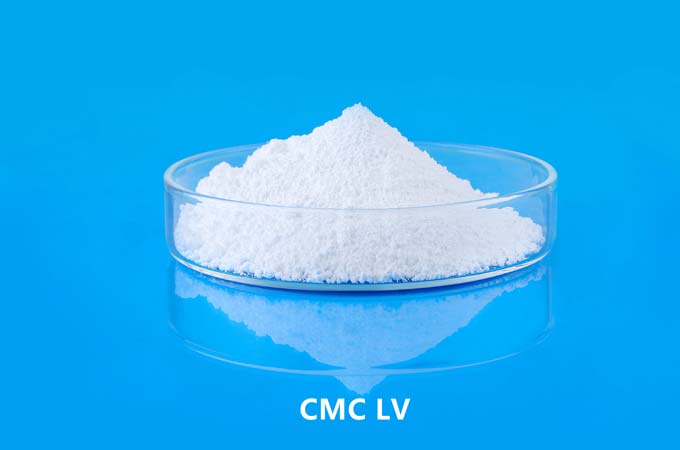
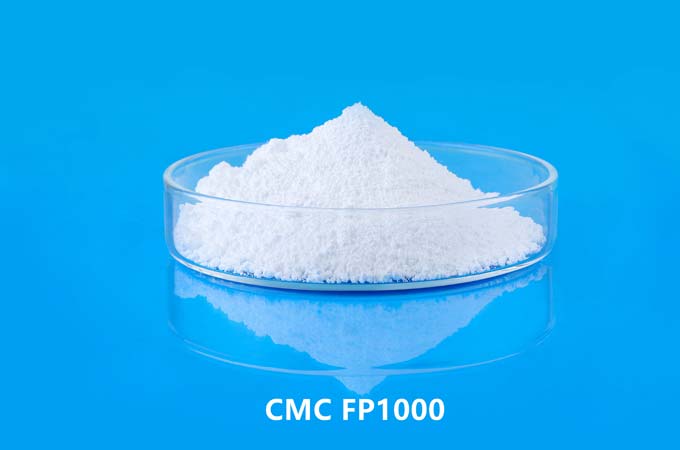
MHEC methyl hydroxyethyl cellulose, is a nonionic cellulose ether derivative. Made from natural cellulose through methylation and hydroxyethylation, MHEC exhibits excellent solubility, thickening, film-forming properties, and water retention. As a common polymer chemical, MHEC is widely used in construction, coatings, daily chemicals, oil production, and pharmaceuticals.

1. Chemical Properties of MHEC
MHEC belongs to the cellulose ether family. Its molecular chain contains both methoxy (–OCH₃) and hydroxyethyl (–CH₂CH₂OH) groups. This dual substitution structure preserves the hydrophilic properties of the cellulose molecule while improving its solubility and stability. MHEC dissolves readily in cold water, quickly forming a transparent or translucent viscous solution. It exhibits a certain degree of reversibility in hot water. Its solutions are generally neutral, stable to acids and bases, and tolerant to a range of salts and organic solvents.
2. Main Properties of MHEC
Thickening: MHEC significantly increases the viscosity of liquid systems after dissolution, providing rheological control at low dosages.
Water Retention: It effectively reduces water loss, ensuring workability in mortars, putties, and other systems.
Film-Forming: The solution forms a flexible, transparent film upon drying, exhibiting sufficient adhesion and protective properties.
Stability: MHEC exhibits strong tolerance to electrolyte, pH, and temperature fluctuations, making it suitable for a variety of complex formulations.
Good Compatibility: MHEC is highly compatible with a variety of additives, polymers, and surfactants, offering a wide range of applications.
3. Applications of MHEC
3.1. Building Materials
In dry-mix mortars, tile adhesives, gypsum products, and exterior wall putty powders, MHEC acts as a water-retention agent, thickener, and adhesion modifier, significantly improving workability and performance. For example, in tile adhesives, it can extend open time, improve bond strength, and prevent slippage.
3.2. Coatings Industry
MHEC is commonly used in latex and water-based paints, providing excellent thickening and leveling properties while improving coating adhesion and uniformity. It also improves pigment dispersion stability, preventing settling and delamination.
3.3. Daily Chemicals
In detergents, shampoos, toothpastes, and skincare products, MHEC serves as a thickener, stabilizer, and humectant, imparting a softer, smoother texture and enhancing user comfort.
3.4. Oil Production
In drilling and completion fluids, MHEC serves as a rheology modifier and water loss control agent, helping to increase drilling efficiency and improve wellbore stability.
3.5. Pharmaceuticals and Foods
MHEC is used in pharmaceuticals as a binder, release control agent, and film-forming agent for tablets. It can also be used in the food industry as an emulsion stabilizer and thickener. However, depending on the industry, it is important to select a grade that meets the appropriate standards.
4. Differences between MHEC and Other Cellulose Ethers
Compared to HPMC (hydroxypropyl methylcellulose) and HEC (hydroxyethyl cellulose), MHEC's greatest characteristic is its combination of methyl and hydroxyethyl substituents, resulting in a more balanced solubility, salt tolerance, and water retention. It is often used as an HPMC alternative, particularly in cost-effective construction formulations.
5. Market and Prospects of MHEC
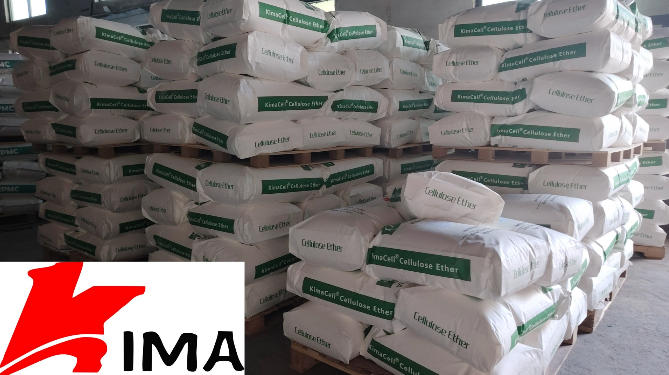
With the development of green building materials and environmentally friendly coatings, market demand for MHEC has been growing annually. Not only does it improve material properties, but because it is derived from natural cellulose, it is an environmentally friendly chemical, meeting the requirements of sustainable development. MHEC has broad application prospects in energy-saving building materials, new household chemicals, and pharmaceutical formulations.
MHEC, also known as methyl hydroxyethyl cellulose, is an important nonionic cellulose ether. With its excellent thickening, water retention, film-forming, and stabilizing properties, MHEC has become an indispensable additive in industries such as construction, coatings, household chemicals, petroleum, and pharmaceuticals. It not only improves product performance, but also conforms to the trend of green environmental protection, so it will continue to maintain an important position in the future chemical market.


 English
 日本語
日本語 français
 Deutsch
 Español
 العربية
 Türkçe
 italiano
 русский
 português
 Nederland