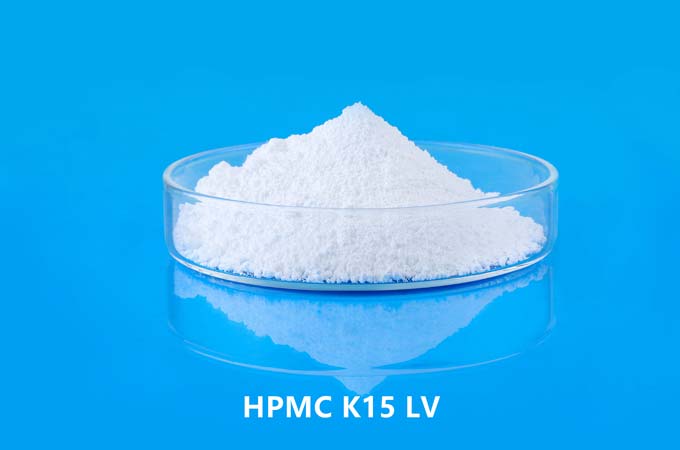
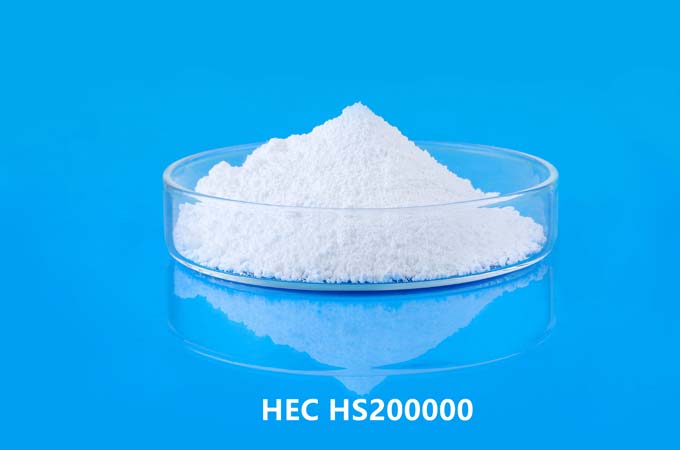
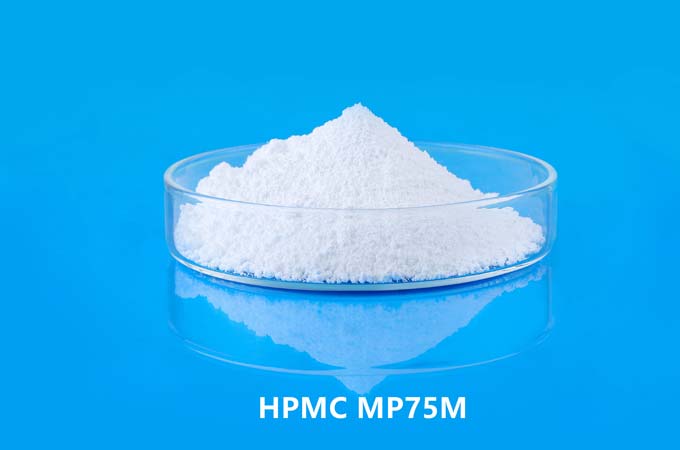
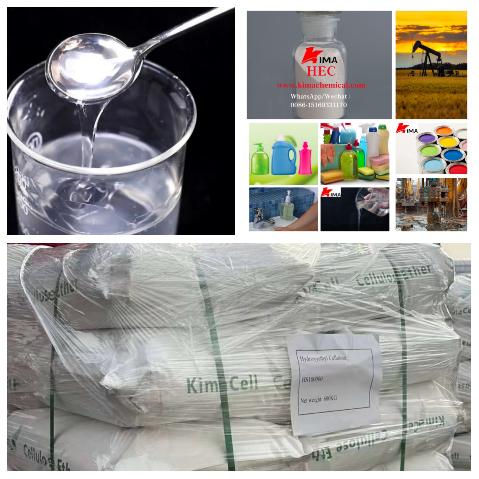
Hydroxyethyl Cellulose (HEC) is an important nonionic, water-soluble polymer and a cellulose ether derivative. It is formed by introducing hydroxyethyl substituents into the hydroxyl positions of the natural cellulose molecular chain. This modification process imparts new physical and chemical properties to cellulose, resulting in excellent solubility, thickening, film-forming, emulsifying, and suspending properties. Consequently, it is widely used in various industries, including construction, oil extraction, daily chemicals, coatings, pharmaceuticals, and food. The following provides a detailed introduction to hydroxyethyl cellulose from the perspectives of its material structure, performance characteristics, preparation methods, and typical applications.
1. Material Structure and Preparation Principle
HEC is prepared by an etherification reaction of natural cellulose with ethylene oxide under alkaline conditions. The cellulose molecular chain is composed of glucose units linked by β-1,4-glycosidic bonds. The molecule contains numerous hydroxyl groups, which are partially replaced by hydroxyethyl groups during the etherification reaction. The degree of substitution and the position of substitution directly affect the solubility and viscosity characteristics of HEC. Its molecular structure features:
The main chain maintains the basic cellulose backbone, ensuring its bio-based origin and a certain degree of mechanical stability.
The introduction of hydroxyethyl substituents increases its hydrophilicity, making it readily soluble in both cold and hot water.
Due to its non-ionic structure, it has good electrolyte compatibility and pH stability.
2. Key Performance Characteristics
2.1. Good Water Solubility
HEC dissolves rapidly in both cold and hot water, forming a transparent or translucent, viscous solution. Unlike some cellulose derivatives, it does not clump during dissolution, making it easier to handle.
2.2. Significant Thickening Effect
HEC is a highly effective thickener that significantly increases solution viscosity through entanglement and hydrogen bonding between molecular chains. HEC offers a wide range of viscosities, from low to high, with various grades available to meet the needs of various industries.
2.3. Excellent Rheological Properties
HEC solutions exhibit pseudoplastic fluid properties, maintaining high viscosity at rest and decreasing viscosity under shear. This property is particularly important in coatings and oil drilling fluids.
2.4. Good Salt and pH Stability
Because HEC is a non-ionic cellulose ether, it is not easily reactive with electrolytes, maintaining viscosity and stability in salt-containing systems. Furthermore, its performance is generally stable within the pH range of 2-12.
2.5. Film-Forming and Water-Retention Properties
HEC forms a flexible, transparent film on surfaces, exhibiting considerable mechanical strength and abrasion resistance. Furthermore, its molecular structure effectively locks in moisture, maintaining moisture and preventing water loss.
2.6. Biocompatibility and Safety
HEC is derived from natural cellulose and is low in toxicity and irritation, meeting environmental and safety requirements. It can also be safely used in pharmaceuticals, cosmetics, and food.
3. Typical Applications
3.1. Building Materials
In the construction industry, HEC is commonly used as a thickener and water-retention agent for cement mortar, gypsum products, tile adhesives, and putty powders. It improves workability, imparts good workability to the mortar, prolongs open time, and reduces delamination and bleeding.
3.2. Coatings and Paints
HEC is a common thickener and dispersant stabilizer in latex and water-based paints. It not only adjusts paint viscosity and improves application performance when applied by brush or roller, but also improves pigment dispersion and prevents settling. It also imparts excellent leveling and film-forming properties to the coating.
3.3. Oil Drilling and Production
In the oil industry, HEC is used as a rheology modifier in drilling and completion fluids. It effectively controls fluid rheology, stabilizes the suspension properties of drilling fluids, reduces fluid loss, and thus protects oil and gas reservoirs.
3.4. Daily Chemicals and Cosmetics
HEC is used as a thickener, emulsion stabilizer, and film-forming agent in shampoos, shower gels, and skincare products. It enhances product viscosity and user experience, while also improving foam texture and skin moisturizing properties.
3.5. Pharmaceutical Industry
In the pharmaceutical industry, HEC can be used as a film-forming coating material for tablets, as an adhesive, and as a matrix material for sustained-release formulations. It is non-toxic, harmless, and has a mild taste, making it suitable for oral and topical preparations.
3.6. Food Industry
As a food-grade additive, HEC can be used to adjust the consistency and improve the taste of foods, for example, by stabilizing and thickening juices, sauces, or frozen foods.
4. Development and Prospects
With the increasing demand for green chemistry and sustainable development, HEC, an environmentally friendly material derived from natural cellulose, has seen increasing market demand year by year. Future development trends include:
High-performance development: Developing products with high substitution levels and specific rheological properties to meet the specialized requirements of the fine chemical industry.
Multifunctional formulation: Developing novel additives with multiple properties such as thickening, dispersing, and water retention by combining with other polymers, emulsifiers, or surfactants.
Biomedical Expansion: With increasing safety requirements, HEC's application in controlled-release pharmaceutical formulations, tissue engineering, and medical dressings will continue to expand.
HEC is a high-performance nonionic cellulose ether that combines excellent solubility, thickening, rheological control, and safety and environmental characteristics. HEC is widely used in a wide range of fields, including construction, coatings, petroleum, daily chemicals, pharmaceuticals, and food. With its natural origin and multifunctional properties, HEC is not only an indispensable additive material in traditional industries, but also holds great potential for development in future green chemical and high-end manufacturing sectors.


 English
 日本語
日本語 français
 Deutsch
 Español
 العربية
 Türkçe
 italiano
 русский
 português
 Nederland