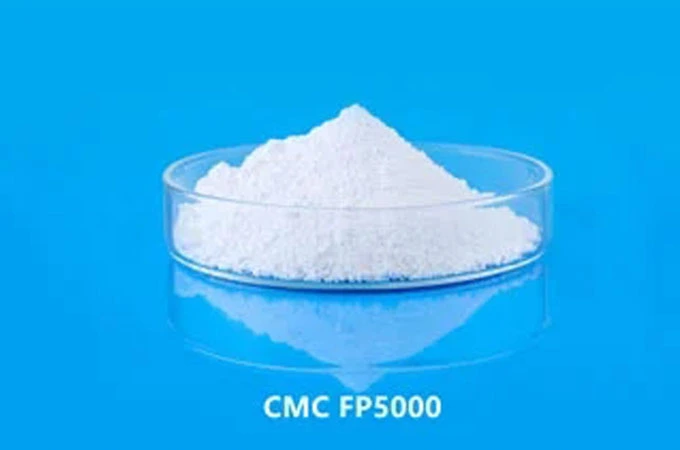
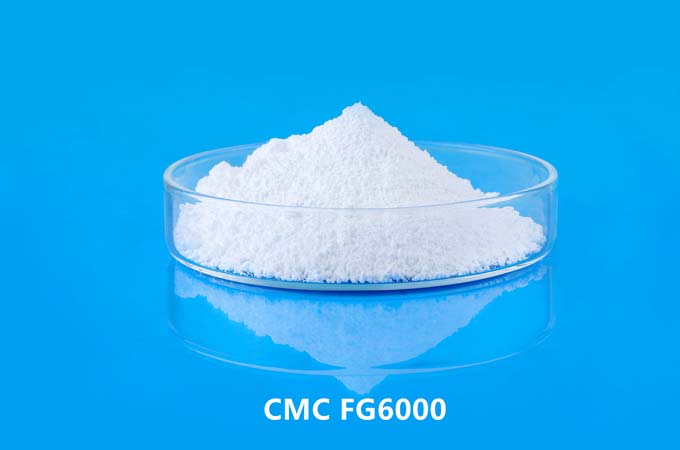
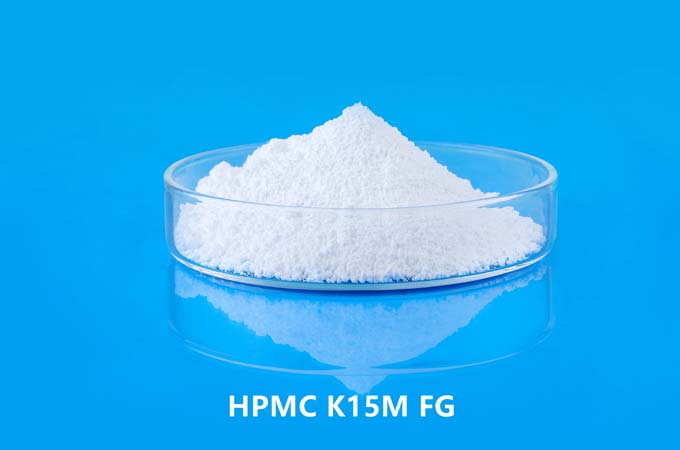
MHEC (methyl hydroxyethyl cellulose), a commonly used cellulose ether, not only acts as a water-retaining and thickening agent in gypsum-based self-leveling mortar but also significantly impacts the material's strength. Gypsum-based self-leveling mortar primarily develops its strength through the reaction of hemihydrate gypsum with water to form dihydrate gypsum crystals. The addition of MHEC modulates this process during the mixing, flow, and hardening stages, thereby affecting the final mechanical properties.
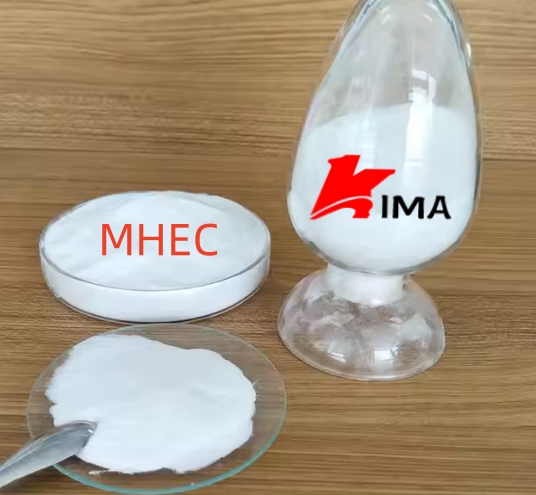
1. Mechanism of MHEC in Gypsum-Based Self-Leveling Mortar
1.1. Water Retention
MHEC has excellent hydrophilicity and film-forming properties, forming a stable water-retaining film within the mortar, preventing rapid evaporation or absorption by the base layer. This allows the hydration reaction of the gypsum to proceed fully, promoting the complete growth of dihydrate gypsum crystals and increasing structural density, thereby enhancing both early and later strength.
1.2. Flow and Workability Adjustment
Self-leveling mortar requires high flow, but excessive flow can lead to segregation and bleeding, compromising strength. MHEC's thickening effect can moderately control the viscosity of the slurry, ensuring good self-leveling properties while maintaining uniformity and avoiding local strength variations caused by particle settling.
1.3. Delaying Setting Time
MHEC will slow the hydration rate of gypsum to a certain extent, which helps extend the application time and improve surface smoothness. However, if the dosage is too high, this delay can affect early strength development. Therefore, a balance between application performance and strength requirements must be struck during formulation design.
2. Specific Impact on Strength
2.1. Early Strength
MHEC's water retention and retarding effect enable more uniform hydration of the gypsum, reducing crystal defects caused by rapid water loss, thereby improving early strength. However, if the dosage is too high, the delayed hydration reaction can result in slightly lower strength after one or two days.
2.2. Later Strength
Fully hydrated and densely packed dihydrate gypsum crystals form a more compact structure, and later strength (e.g., after 7 or 28 days) is generally improved by the action of MHEC. At the same time, MHEC's film-forming effect creates a flexible organic-inorganic composite structure between crystals, improving the material's crack resistance and toughness.
2.3. Strength Uniformity
Because MHEC improves the mortar's flow stability and distribution uniformity, the hardened strength distribution is more uniform, reducing local weaknesses and enhancing the overall structural stability.
3. Formulation and Dosage Recommendations
The recommended dosage of MHEC in gypsum-based self-leveling mortar is generally 0.1% to 0.3% (based on the mass of the cementitious material). The specific dosage should be optimized based on water retention, viscosity grade, and the synergistic effects of other admixtures.
Selecting products with medium-to-high viscosities (e.g., 40,000 to 75,000 mPa·s) ensures flowability while achieving excellent segregation resistance and strength.
Combining them with redispersible polymer powder (RDP) can further enhance later-stage strength and bonding properties.
4. Key Points for Performance Optimization
Controlling the water-cement ratio: MHEC's water-retention effect can moderately reduce water usage, improving density and strength. In combination with retarders: Avoid overly strong retarding effects, which can lead to a decrease in early strength.
Matching with filler particle size: A reasonable particle size distribution synergizes with MHEC's viscosity to achieve a balanced balance between workability and mechanical properties.
MHEC significantly improves workability in gypsum-based self-leveling mortars through its water retention, thickening, and retarding properties. It also enhances later strength and structural stability while maintaining fluidity. Scientifically controlling the dosage and coordinating with other components are key to leveraging its advantages and achieving high-performance gypsum-based self-leveling mortars.


 English
 日本語
日本語 français
 Deutsch
 Español
 العربية
 Türkçe
 italiano
 русский
 português
 Nederland