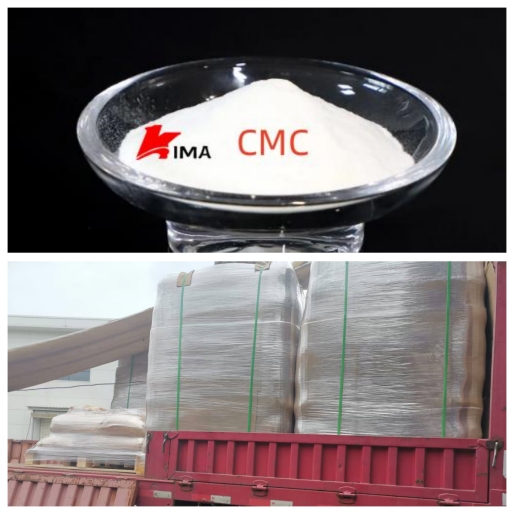
Carboxymethyl cellulose (CMC) is a water-soluble polymer derived from natural cellulose through chemical modification. It is widely used in food, pharmaceuticals, cosmetics, and industrial production. Its primary functions are thickening, stabilization, emulsification, and as a gelling agent. While CMC is generally considered safe, some side effects or adverse reactions may occur under certain conditions or when used in high doses.
1. Potential Side Effects of Food Additives
CMC is commonly used in the food industry as a thickener, stabilizer, and dietary fiber supplement. For example, it is added to ice cream, sauces, jams, and low-fat dairy products. Generally, CMC is recognized as a safe substance as a food additive (E466) by the International Food Codex Alimentarius and the FDA. However, excessive intake or people with low fiber tolerance may experience:
Gastrointestinal discomfort: such as bloating, increased flatulence, and mild diarrhea. This is primarily because CMC is not digested and absorbed by the body and swells with water in the intestines.
Impairment of Nutrient Absorption: Excessive CMC can accelerate the passage of food through the intestines, potentially affecting the absorption of certain fat-soluble vitamins and minerals.
Allergic Reactions (Rare): A very small number of people may be sensitive to CMC, manifesting as rash, itching, or mild respiratory discomfort.
2. Side Effects in Medicinal and Medical Applications
In the pharmaceutical field, CMC is widely used as a tablet binder, sustained-release material, and lubricant in artificial tears or eye drops. While it has a relatively high safety profile, some adverse reactions have been reported:
Oral preparations: CMC in laxatives or sustained-release tablets may cause diarrhea, mild abdominal pain, or transient bowel sounds.
Ophthalmic preparations: When CMC is used as an ingredient in artificial tears, a very small number of people may experience transient eye stinging, foreign body sensation, or allergic conjunctivitis.
Injectable Excipients: Injectable-grade CMC is rarely used clinically, but if used in specific medical preparations, the risk of individual allergies should be considered.
3. Safety and Potential Hazards of Industrial Exposure
CMC is used as a binder, dispersant, and thickener in the papermaking, textile, ceramic, and coating industries. Industrial-grade CMC is not of food or pharmaceutical purity and may contain impurities. Prolonged inhalation of dust or skin contact can cause:
Respiratory irritation: Inhalation of large amounts of CMC dust may cause coughing, sore throat, or nasal dryness.
Dry or mild skin irritation: This is especially true when handled without protective gear.
Eye irritation: Dust may cause temporary redness, swelling, or a foreign body sensation in the eyes.
4. Safe Usage Recommendations
Food or pharmaceutical-grade CMC is safe for most people when used at the prescribed dosage.
Intake should be limited for those sensitive to dietary fiber or with weak gastrointestinal function.
During industrial operations, masks, gloves, and protective goggles should be worn to avoid prolonged inhalation of dust.
If persistent irritation or redness occurs with ophthalmic preparations, discontinue use and consult a doctor.
Carboxymethyl cellulose is generally safe and has very low toxicity, making it approved for food and pharmaceutical use in most countries. However, excessive intake, individual sensitivity, or long-term exposure to industrial-grade CMC may still cause mild discomfort. Therefore, proper dosage control, selection of compliant products, and careful handling precautions are key to avoiding side effects.


 English
 日本語
日本語 français
 Deutsch
 Español
 العربية
 Türkçe
 italiano
 русский
 português
 Nederland