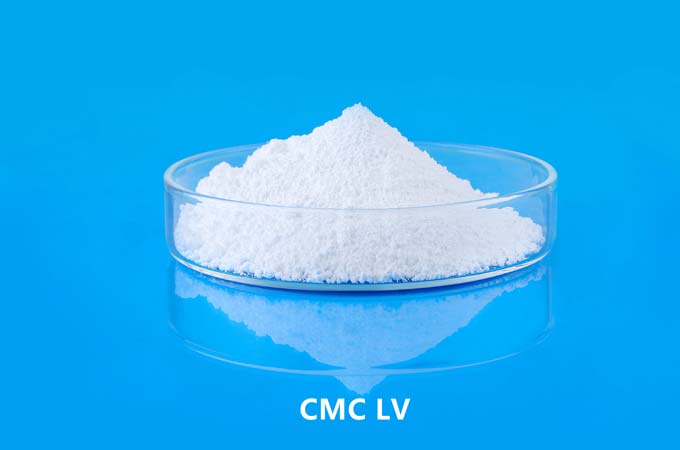
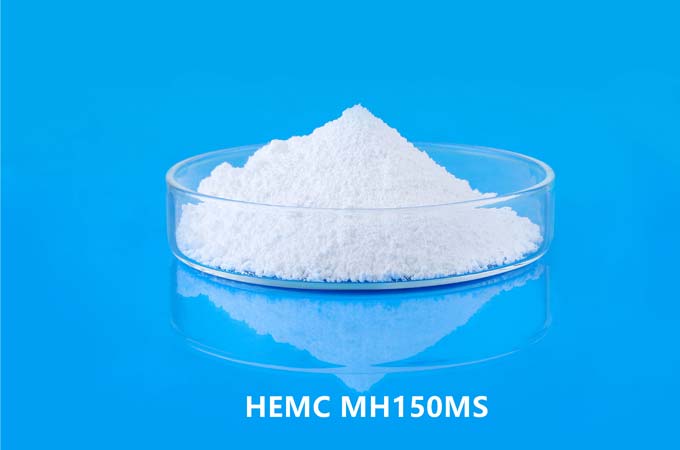
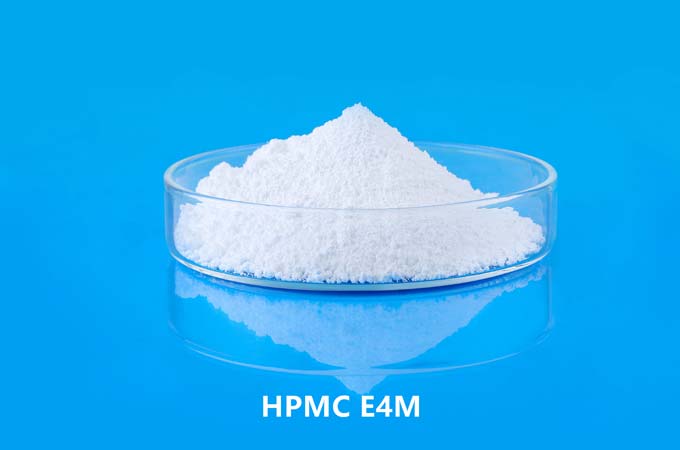
With the rapid development of plant-based diets globally, vegetarian meat products have become an important research direction in food science and technology. Consumers' increasing demands for taste, texture, and nutritional value have driven the innovative application of functional additives. Among various modified celluloses, methyl cellulose (MC) exhibits irreplaceable technological value in vegetarian meat products due to its unique thermogelation, emulsification, and water-retention properties.

Physicochemical Properties of Methyl Cellulose
Methyl cellulose is a non-ionic cellulose ether obtained from natural cellulose through a methylation reaction. Its molecular chain contains methoxy substituents, thus possessing excellent water solubility and thermogelation properties. At low temperatures, MC can completely dissolve in water to form a transparent solution; when the temperature rises to a specific range (generally 50~70℃), MC undergoes reversible gelation. This "thermally gelled, coldly dissolved" characteristic is key to its application in vegetarian meat products.
MC also possesses excellent emulsification stability, suspension properties, film-forming properties, and water-retention capacity. These properties can play a comprehensive role in improving texture, enhancing cohesion, and improving mouthfeel in plant protein systems.
Core Mechanism of Action in Vegetarian Meat Products
2.1. Simulating Structural Changes in Animal Proteins
Traditional meat undergoes protein denaturation, coagulation, and water redistribution during heating, resulting in a firm and chewy texture. Plant proteins lack this natural thermogelation reaction. Methylcellulose forms a three-dimensional gel network upon heating, firmly encapsulating plant protein particles, fats, and water, simulating the structural changes of "meat fibrosis," effectively improving the elasticity and chewiness of vegetarian meat.
2.2. Enhancing Water Retention and Juiciness
During heating and cooling, MC gel can lock in internal moisture, preventing vegetarian meat from drying out and hardening. Its water retention capacity is similar to that of proteins in animal muscle tissue, allowing the product to release juices during chewing, recreating a "juicy meaty" texture and enhancing the eating experience.
2.3. Improving Fat Distribution and Stability
In vegetarian meat products, vegetable oil is often used as a fat substitute. MC (cream-coated gluten) can form a stable oil-water emulsion system through its surface-active properties, preventing oil separation during processing and storage, improving the uniformity of fat distribution, and thus bringing a more natural "meat-like" texture.
2.4. Enhanced Heat Processing Adaptability
Under high-temperature cooking conditions such as frying, grilling, and deep-frying, the thermogel layer formed by MC can reduce oil seepage and moisture loss, improving the heat resistance and processing stability of plant-based meat products, while maintaining a good appearance and texture.
Innovative Applications and Technological Breakthroughs
3.1. Structure Modifier in Plant-Based Burgers and Sausages
In plant-based burgers, sausages, and meatballs, MC is often used in combination with pea protein, soy protein isolate, and potato starch. By adjusting the amount of MC (generally 0.5%~2%), the texture density and water retention of the product can be significantly improved. Some brands use a "MC + coconut oil + pea protein" compound system to achieve a texture and thermal reaction characteristics close to real meat.
3.2. Plant-Based Gel Systems as Gelatin Alternatives
Gelatin or animal protein are commonly used as structural agents in traditional meat products. MC, being purely plant-based and possessing reversible gelling properties, is an ideal alternative to gelatin. This property is particularly prominent during freeze-thaw cycles, maintaining product stability and elasticity.
3.3. Synergistic Innovation with Other Colloids
Current research trends indicate that combining MC with sodium carboxymethyl cellulose (CMC), xanthan gum, or guar gum can form a multiphase cross-linked network structure, further optimizing the elasticity and chewiness of plant-based meat. For example, the synergy between MC and CMC can achieve better water retention and thermal stability at low addition levels.
3.4. Clean Label and Sustainable Development Applications
Because MC is derived from natural cellulose and contains no animal ingredients or allergens, it aligns with the "Clean Label" (simple formulation, sustainable) food trend. Its application can help plant-based meat companies simplify formulations and achieve green manufacturing, conforming to the sustainable direction of the future food industry.

Future Development Trends
The application of methylcellulose in vegetarian meat products will develop in the following directions:
Development of Smart Gel Systems:Controlling gel temperature through molecular modification to achieve controllable texture under different cooking conditions.
Adaptation Research with Novel Protein Raw Materials:Combining methylcellulose with fermented proteins, insect proteins, algal proteins, etc., can broaden product types.
3D Printing of Vegetarian Meat:Utilizing the controllable rheology of methylcellulose as a printing carrier to construct layered biomimetic meat products.
Flavor Carrier Function Expansion:Utilizing methylcellulose gel networks to encapsulate aroma substances, achieving "heat-release" flavor enhancement.
Methylcellulose, with its unique thermogelation properties, emulsification stability, and water retention, has become a core additive for innovative vegetarian meat product formulations. It not only plays a key role in texture simulation but also provides a healthier and more sustainable technological solution for the plant-based food industry. With scientific progress and evolving consumer demands, innovative applications of methylcellulose will continue to drive plant-based meat towards greater realism, nutrition, and environmental friendliness.


 English
 日本語
日本語 français
 Deutsch
 Español
 العربية
 Türkçe
 italiano
 русский
 português
 Nederland