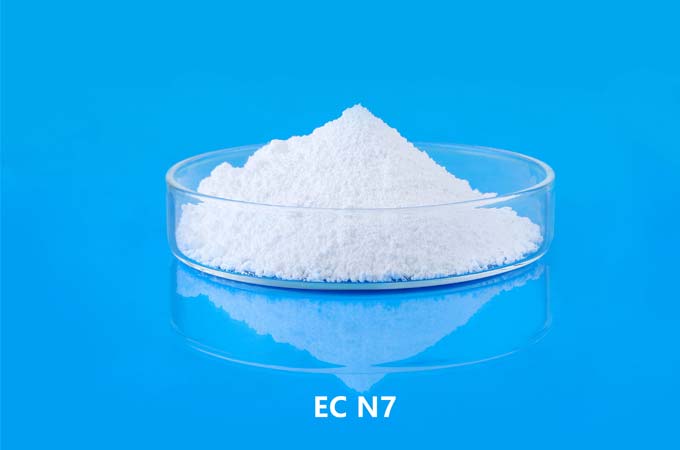
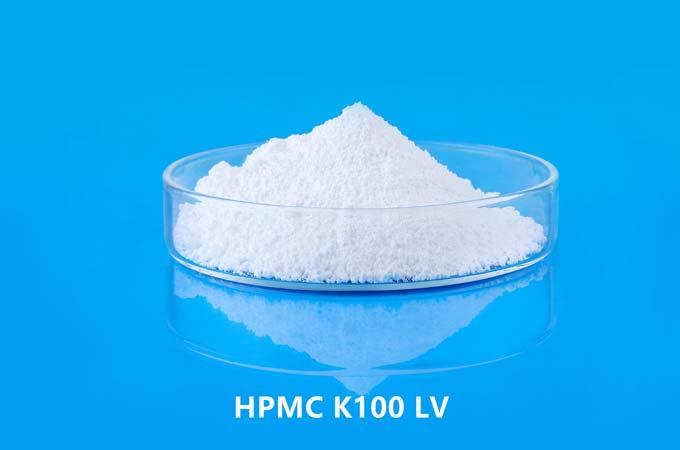
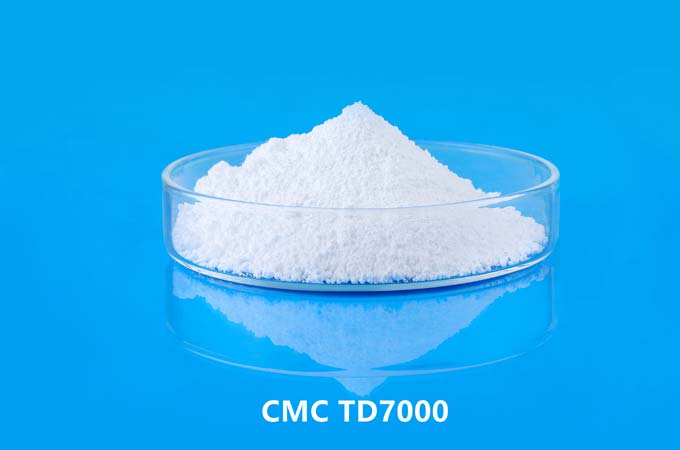
Introduction: The Growing Importance of Cellulose Ethers in Modern Industries
Cellulose ethers have become essential functional additives in many industries due to their excellent water solubility, thickening ability, film-forming properties, and rheological control. From construction materials and coatings to pharmaceuticals, food, personal care, and oilfield applications, cellulose ethers improve product performance, stability, and processing efficiency.
Among the most widely used cellulose ethers are:
Choosing the correct cellulose etAlthough these three products are all derived from natural cellulose, their chemical structures are different, resulting in significant differences in:
her is critical for achieving the desired product performance.
Understanding Cellulose Ether Chemistry
What Are Cellulose Ethers?
Cellulose ether is a chemically modified cellulose derivative produced by replacing hydroxyl groups in cellulose molecules with ether groups.
Natural cellulose has limited solubility because of its strong hydrogen bonding structure.
Chemical modification improves:
Water solubility
Rheological properties
Stability
Functional performance
Table 1: Basic Information Comparison
Product | Full Name | Main Substituent Groups |
HPMC | Hydroxypropyl Methylcellulose | Methoxy + Hydroxypropyl |
HEMC | Hydroxyethyl Methylcellulose | Methoxy + Hydroxyethyl |
HEC | Hydroxyethyl Cellulose | Hydroxyethyl |
HPMC: The Most Versatile Cellulose Ether
Overview of HPMC
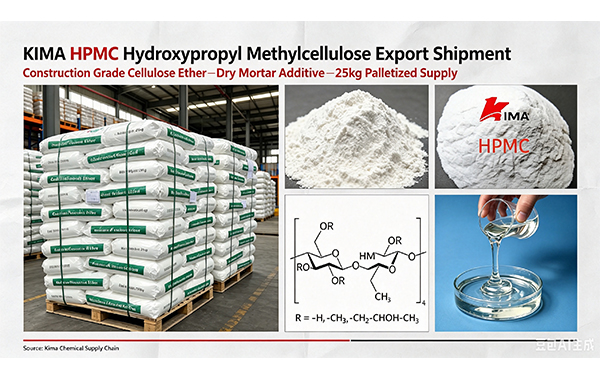
Hydroxypropyl Methylcellulose (HPMC) is one of the most widely used cellulose ethers globally.
It combines:
Because of its balanced performance, HPMC dominates many construction applications.
Main Properties of HPMC
Water Retention
HPMC forms a protective polymer network that slows water evaporation.
Benefits:
Rheology Control
HPMC provides:
Stable viscosity
Improved workability
Anti-sag properties
Thermal Gelation
HPMC has a reversible thermal gelation behavior.
When heated:
When cooled:
Table 2: HPMC Characteristics
Property | Performance |
Water retention | Excellent |
Thickening | Excellent |
Solubility | Cold water soluble |
Thermal stability | High |
Construction compatibility | Excellent |
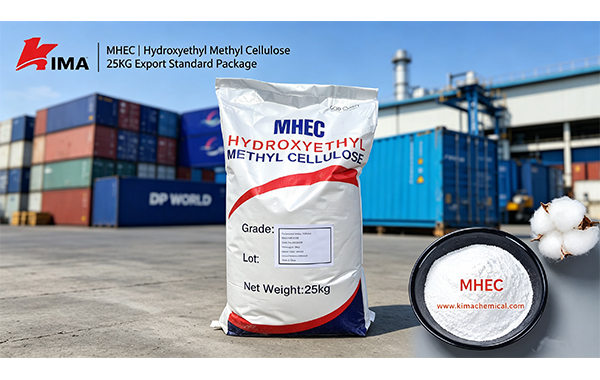
HEMC: The Balanced Choice for Construction Applications
Overview of HEMC
Hydroxyethyl Methylcellulose (HEMC) contains both:
Methoxy groups
Hydroxyethyl groups
This structure provides excellent water retention and improved compatibility in cement-based systems.
Main Advantages of HEMC
Improved Water Retention
HEMC performs particularly well in:
Tile adhesives
EIFS mortar
Gypsum products
Better High-Temperature Performance
Compared with some HPMC grades, HEMC can provide improved performance under hot construction conditions.
Advantages:
Longer open time
Better moisture control
Reduced drying problems
Table 3: HEMC Performance Characteristics
Property | Performance |
Water retention | Very High |
Workability | Excellent |
Temperature resistance | Excellent |
Adhesion improvement | High |
Mortar compatibility | Excellent |
HEC: The Specialist for Coatings and Liquid Systems
Overview of HEC
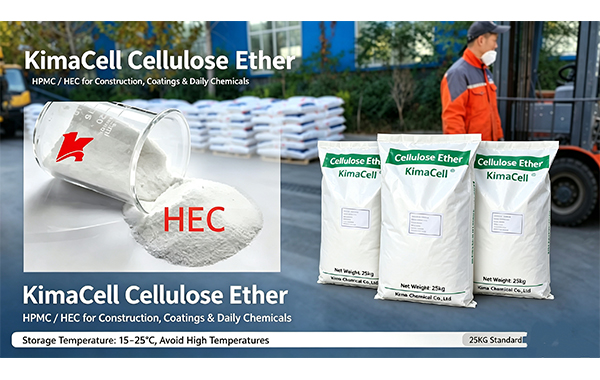
Hydroxyethyl Cellulose (HEC) is a non-ionic water-soluble cellulose ether mainly used in liquid formulations.
Major applications include:
Latex paint
Water-based coatings
Personal care products
Detergents
Oilfield fluids
Main Properties of HEC
Thickening Ability
HEC provides excellent viscosity control.
Applications benefit from:
Improved flow behavior
Better suspension
Stable formulation
Compatibility Advantages
HEC works well with:
Surfactants
Pigments
Emulsions
Salts
Table 4: HEC Characteristics
Property | Performance |
Thickening | Excellent |
Water solubility | Excellent |
Salt tolerance | Good |
Coating compatibility | Excellent |
Cement application | Limited |
HPMC vs HEMC vs HEC: Direct Comparison
Table 5: Overall Performance Comparison
Property | HPMC | HEMC | HEC |
Water retention | ⭐⭐⭐⭐⭐ | ⭐⭐⭐⭐⭐ | ⭐⭐⭐ |
Thickening | ⭐⭐⭐⭐⭐ | ⭐⭐⭐⭐ | ⭐⭐⭐⭐⭐ |
Mortar application | Excellent | Excellent | Limited |
Paint application | Good | Good | Excellent |
Temperature resistance | Excellent | Excellent | Medium |
Film formation | Good | Good | Excellent |
Salt tolerance | Medium | Medium | High |
Application Selection Guide
Construction Industry
Recommended:
Applications:
Tile adhesive
Wall putty
EIFS mortar
Self-leveling mortar
Gypsum plaster
Table 6: Construction Application Selection
Application | Recommended Cellulose Ether |
Tile adhesive | HPMC / HEMC |
EIFS mortar | HPMC / HEMC |
Gypsum plaster | HPMC |
Self-leveling mortar | HPMC |
Wall putty | HPMC / HEMC |
HPMC vs HEMC in Tile Adhesive
Tile adhesive requires:
Strong adhesion
Long open time
Anti-slip performance
Water retention
Both HPMC and HEMC perform well.
However:
HPMC Advantages:
HEMC Advantages:
HEC in Water-Based Coatings
HEC is widely used because it provides:
Smooth application
Stable viscosity
Pigment suspension
Applications:
Latex paint
Architectural coatings
Decorative coatings
FAQ SECTION (Part 1)
Q1: What is the main difference between HPMC, HEMC, and HEC?
The main difference is their chemical substitution groups:
HPMC contains methoxy and hydroxypropyl groups.
HEMC contains methoxy and hydroxyethyl groups.
HEC mainly contains hydroxyethyl groups.
Q2: Which cellulose ether is best for mortar?
HPMC and HEMC are generally preferred because they provide:
Q3: Is HEC suitable for tile adhesive?
HEC can provide thickening, but HPMC and HEMC usually perform better in cement-based tile adhesives.
Q4: Which cellulose ether has better water retention?
HPMC and HEMC generally provide stronger water retention compared with HEC.
Q5: Why is HPMC widely used in construction?
Because it provides a balance of:
Water retention
Rheology control
Adhesion support
Application stability


 English
 日本語
日本語 français
 Deutsch
 Español
 العربية
 Türkçe
 italiano
 русский
 português
 Nederland