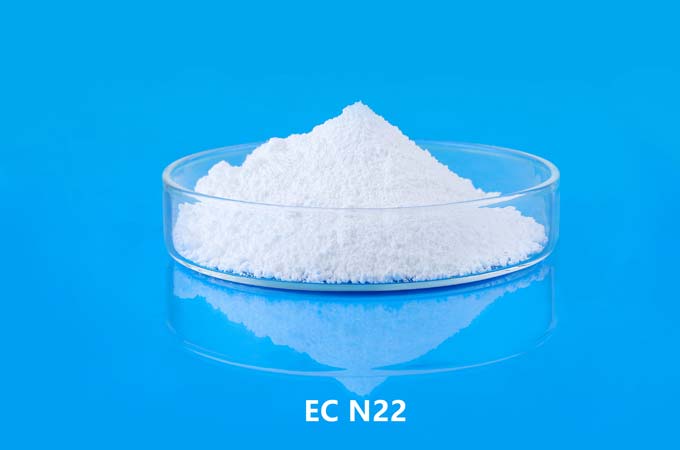
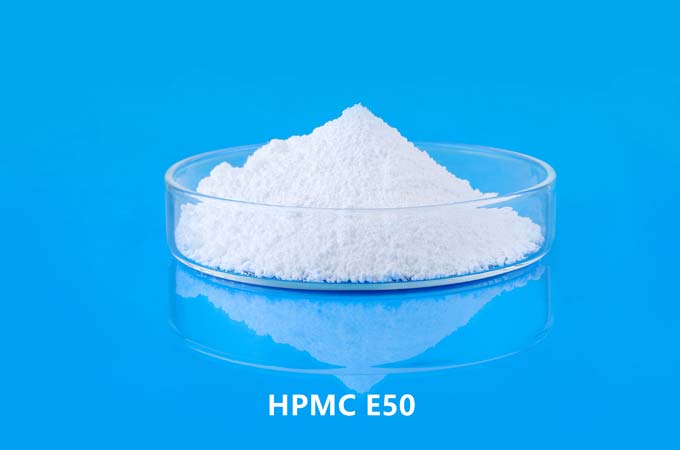
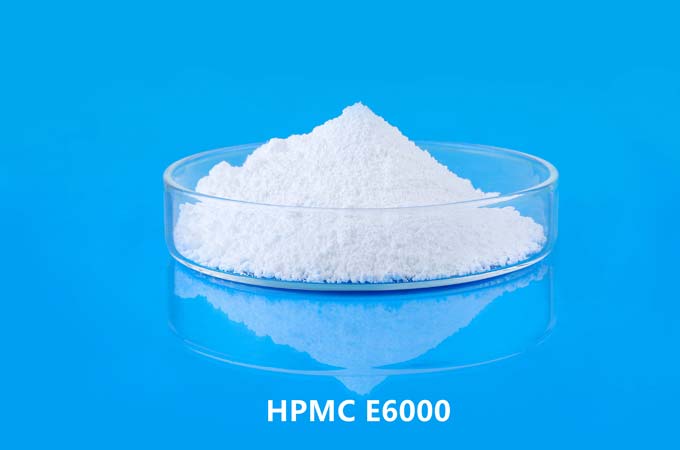
Hydroxypropyl methylcellulose (HPMC) is a nonionic cellulose ether derived from the chemical modification of natural polymer cellulose. It possesses excellent thickening, water retention, film-forming, suspending, and adhesive properties, making it widely used in a variety of fields, including construction, medicine, food, daily chemicals, and coatings. With the rapid development of the new materials industry and the deepening adoption of sustainable development concepts, HPMC applications are expanding and showing a clear trend of diversification.

HPMC Diversified Applications
1.1. Building Materials
The construction industry is one of the most widely used areas for HPMC. It is widely used in systems such as tile adhesives, putty powders, dry-mix mortars, self-leveling, and cement waterproofing coatings. HPMC has excellent water retention and workability, preventing mortar from losing water rapidly in high-temperature or low-humidity environments, thereby improving bond strength and application fluidity. HPMC also improves mortar's anti-slip properties and durability, providing an ideal additive solution for green building materials.
1.2. Pharmaceutical Industry
HPMC, as a safe, non-toxic, and edible polymer, is widely used in pharmaceutical production. It can be used as a tablet binder, film-forming agent, and sustained-release material. It is also commonly used in the preparation of capsule shells, replacing gelatin as a key raw material for "vegetable capsules." HPMC exhibits excellent biocompatibility and stability, dissolving slowly in the body and prolonging drug efficacy, meeting the demands of modern pharmaceutical manufacturing for controlled- and sustained-release technologies.
1.3. Food Industry
In food processing, HPMC is widely used as a thickener, emulsifier, stabilizer, and humectant. It improves food texture, enhances taste, and preserves freshness. For example, in baked goods, HPMC strengthens the dough's cell structure, making bread softer. In frozen foods, it prevents ice crystal formation and improves the taste after reheating. HPMC can also be used in vegetarian meat products as a structural modifier for plant-based proteins, contributing to the development of healthier foods.
1.4. Daily Chemicals and Personal Care
HPMC is used as a thickener and film-forming agent in daily chemical products such as shampoo, shower gel, toothpaste, and facial masks, imparting a smooth feel and stable viscosity. Its non-irritating and non-toxic properties also make it an ideal choice for natural skincare formulations. Furthermore, HPMC transparent film-forming properties can be used in sunscreens, facial masks, and conditioners to improve film uniformity and moisturizing properties.
1.5. Coatings and Ink Industry
HPMC primarily serves as a thickener, rheology regulator, and anti-sagging agent in water-based coating systems, significantly improving coating application performance and surface smoothness. It also exhibits excellent compatibility with pigments and fillers, enhancing coating adhesion and crack resistance. In ink systems, HPMC improves ink dispersion and stability, promoting uniform printing results.
1.6. Other Emerging Fields
With the development of renewable materials and environmentally friendly packaging, HPMC is increasingly being used in biodegradable films, pharmaceutical coatings, agricultural slow-release fertilizer carriers, and 3D printing materials. Its biodegradable, low-carbon, and environmentally friendly properties make it a sustainable alternative to traditional plastics and chemical additives.
HPMC Development Trends
2.1. Functionalization and High Performance
In the future, HPMC will move beyond its traditional thickening and water retention functions and develop towards multifunctionality and high performance. For example, molecular structure modification can impart HPMC with enhanced temperature and salt tolerance or specific viscosity response properties to meet engineering and industrial needs in specialized environments.
2.2. Green Environmental Protection and Sustainable Development
With the advancement of the "Dual Carbon" policy and green manufacturing concepts, the environmental advantages of HPMC, as a derivative of renewable raw materials, will become even more prominent. Future production processes will place greater emphasis on low-energy consumption, low-emission, and solvent-free routes, promoting the transformation of the cellulose ether industry towards a green and circular economy.
2.3. Refined and Customized Production
For diverse applications (such as high-performance tile adhesives, controlled-release drugs, and food additives), HPMC production will evolve towards refinement and customization. By controlling the degree of substitution, molecular weight, and distribution, its dissolution rate, viscosity, and water retention capacity can be tailored to achieve differentiated applications.
2.4. Cross-disciplinary Integration and Innovative Applications
In the future, HPMC will be combined with nanotechnology, biomaterials, and smart responsive materials to form novel composite systems. For example, HPMC/nanosilica composites can be used in crack-resistant architectural coatings, and HPMC/chitosan systems can be used in medical sustained-release colloids and wound repair materials. This type of cross-disciplinary integration will become a key trend in industry development.

With its excellent physical and chemical properties and biosafety, HPMC has become a vital bridge connecting multiple industries, including chemicals, building materials, pharmaceuticals, and food. In the future, with the advancement of scientific and technological innovation and environmental protection policies, the diversified applications of HPMC will continue to expand, further enhancing its value in green building materials, healthcare pharmaceuticals, and functional foods, making it a key force in driving the development of a sustainable materials industry.


 English
 日本語
日本語 français
 Deutsch
 Español
 العربية
 Türkçe
 italiano
 русский
 português
 Nederland