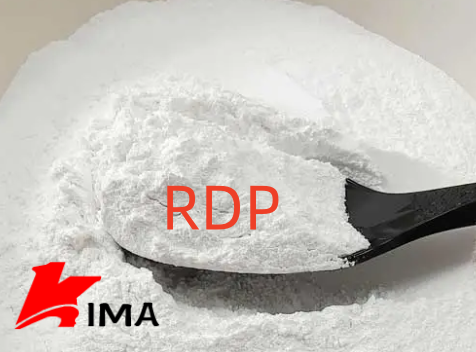
Redispersible polymer powder (RDP) is a high-molecular-weight polymer powder produced through spray drying technology and widely used in building materials, coatings, and adhesives. Its core characteristic is its ability to redisperse upon contact with water, transforming into a stable polymer emulsion. This provides excellent adhesion, flexibility, and durability after hardening. So, how is this powder made?
Raw Material Selection and Polymer Emulsion Preparation
The production of redispersible polymer powder is typically based on polymer emulsions. Common polymer types include ethylene-vinyl acetate (VAE), styrene-acrylate (SA), acrylate copolymers, and vinyl acetate-acrylate (VeoVa). These emulsions are produced through emulsion polymerization, where an emulsifier and initiator are added to an aqueous phase to polymerize the monomers in a dispersed state, forming a stable polymer emulsion. The choice of raw materials determines the properties of the final RDP. For example, VAE-based RDP exhibits excellent flexibility and adhesion, while styrene-acrylate-based RDP is more water-resistant and weather-resistant.
Spray Drying Process
After the emulsion is prepared, it needs to be converted into a solid powder form. This process is usually achieved through spray drying. Spray drying equipment atomizes the liquid polymer emulsion into fine droplets through a nozzle, where the water is rapidly evaporated in a high-temperature airflow. Due to the extremely short drying time (typically within seconds), the polymer particles remain well dispersed, ultimately forming fine powder particles. To prevent powder agglomeration during the drying process, protective colloids such as polyvinyl alcohol (PVA) are often added during production. PVA not only stabilizes the emulsion particles but also forms a protective film on the powder surface, preventing the dried powder from clumping during storage.
Powder Collection and Cooling
The spray-dried powder is collected in a cyclone separator or bag filter. Due to the high airflow temperature during the spray drying process, the powder particles often retain a certain amount of heat and require cooling to prevent agglomeration. The protective colloid layer still remains on the powder surface, allowing it to quickly break down and redisperse upon contact with water.
Post-Processing and Packaging
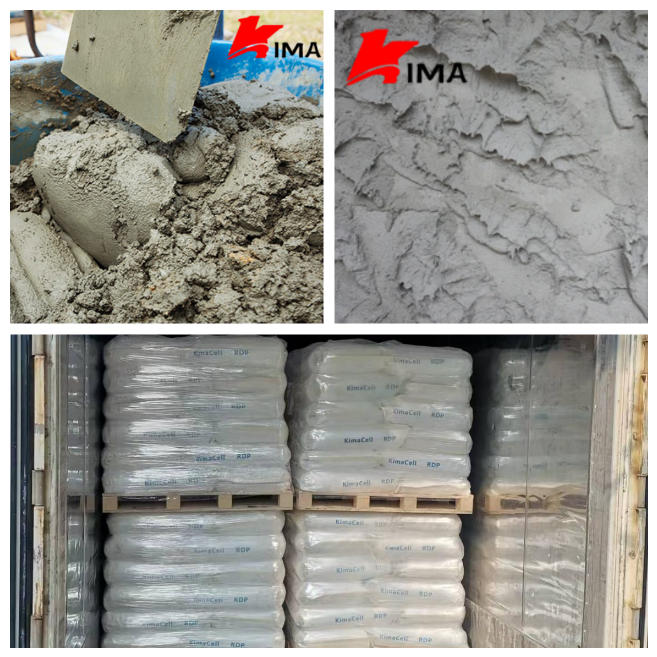
To improve the storage stability and application performance of RDP, manufacturers may perform appropriate post-processing on the collected powder, such as adjusting the particle size distribution, improving flowability, or adding anti-caking agents. During packaging, composite paper bags or moisture-proof plastic bags are typically used to protect the powder from moisture and deterioration during transportation and storage. Strict sealing and moisture-proof measures are crucial for ensuring product performance.
Critical Process Control Points
There are several key control points throughout the RDP manufacturing process:
Emulsion stability: The particle size distribution and solids content of the emulsion directly impact the quality of the powder.
Drying conditions: The inlet and outlet air temperatures during spray drying must be precisely controlled. Excessive temperatures can lead to polymer degradation, while excessive temperatures can result in incomplete drying.
Protective colloid dosage: Excessive addition can affect the redispersibility of the powder, while insufficient addition can cause agglomeration during drying and storage.
Humidity control: RDP is highly hygroscopic and must be packaged and stored under low humidity conditions.
RDP are prepared by converting the polymer emulsion obtained through emulsion polymerization into a solid powder that can be redispersed in water through spray drying and the synergistic effect of a protective colloid. This process combines the characteristics of chemical synthesis and physical transformation, requiring both sophisticated emulsion polymerization technology and strict drying and storage management. The resulting RDP is not only easy to transport and store, but also quickly reverts to an emulsion state upon use, providing excellent workability and durability in applications such as mortar, putty powder, and tile adhesive.


 English
 日本語
日本語 français
 Deutsch
 Español
 العربية
 Türkçe
 italiano
 русский
 português
 Nederland