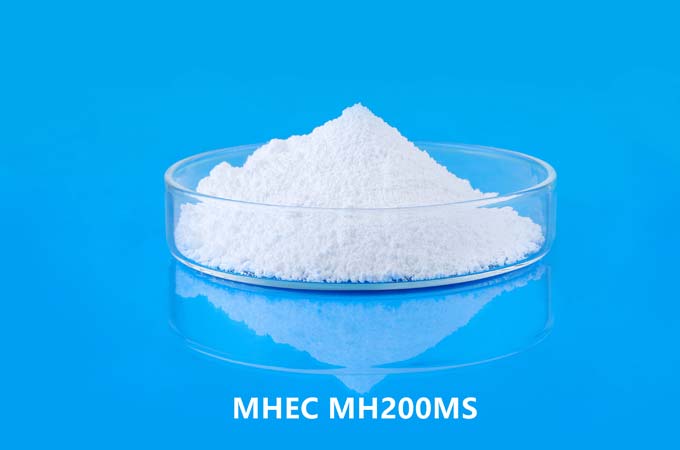
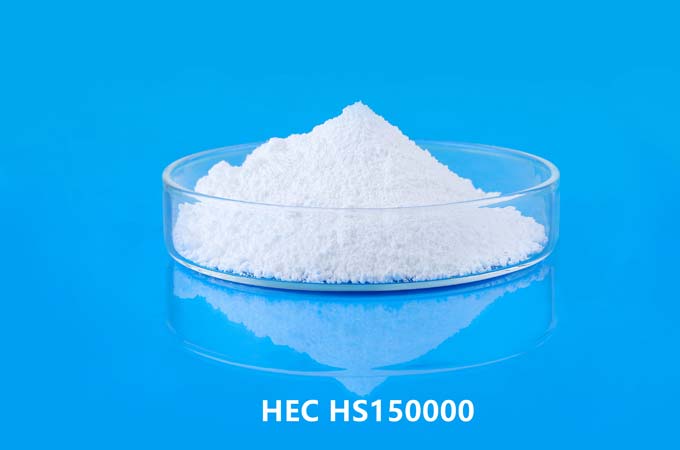
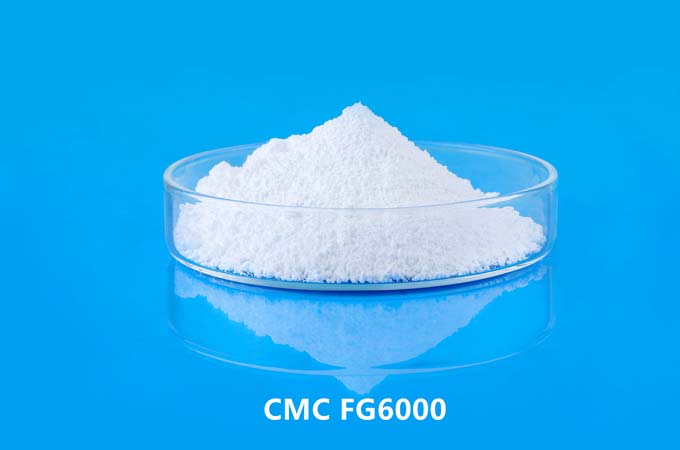
Hydroxyethyl cellulose (HEC) is a common water-soluble nonionic cellulose ether widely used in industries such as construction, coatings, daily chemicals, and pharmaceuticals. Because HEC's molecular chain contains numerous hydrophilic hydroxyl and hydroxyethyl substituents, it gradually swells in cold or hot water, eventually forming a transparent or translucent colloidal solution. However, in practical applications, improper dissolution methods can easily lead to problems such as clumping, uneven dissolution, poor transparency, and decreased viscosity. Therefore, mastering the correct dissolution method is crucial for obtaining a stable and efficient HEC solution.
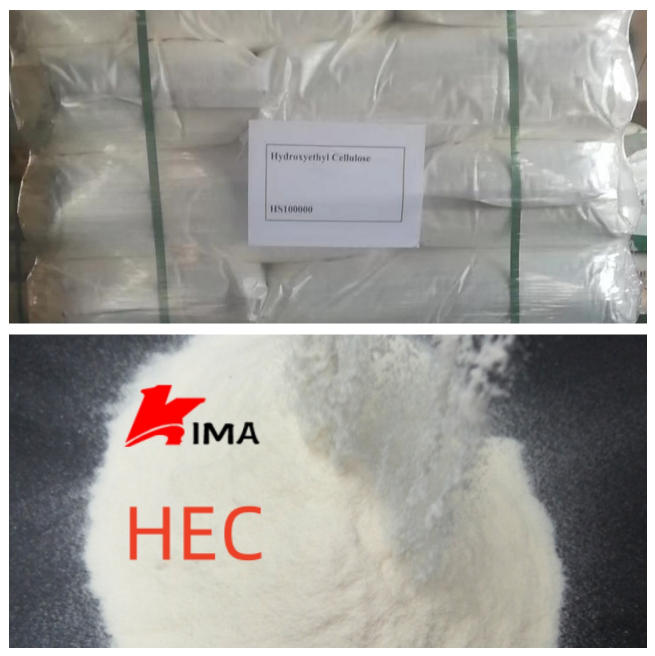
HEC Dissolution Principle
HEC is a nonionic cellulose ether, and its dissolution in water occurs in two main stages:
Wetting and Dispersion Stage: Upon contact with water, the surface of the HEC particles rapidly absorbs water and swells. If not dispersed promptly, a gelatinous film forms on the surface of the particles, preventing further water absorption, leading to clumping.
Dissolution and Transparency Stage: Under appropriate stirring and temperature conditions, the wetted HEC molecular chains gradually unfold and disperse evenly in the water, ultimately forming a solution with a certain viscosity.
Therefore, the key to solving the dissolution problem is to avoid clumping and ensure thorough dispersion, so as to obtain a transparent and uniform colloidal solution.
Common HEC Dissolution Methods
2.1. Direct Dispersion Method
Add a certain amount of water to a stirring tank and slowly sprinkle in the HEC powder while stirring to evenly disperse it.
The sprinkling speed should not be too fast to prevent powder clumping.
After the powder is fully added, continue stirring for 30 minutes to 1 hour. Let it sit overnight to obtain a clear solution.
This method is suitable for applications where dissolution speed is not critical, such as construction putty and paint bases.
2.2. Hot Water Dissolution Method
First, disperse the HEC in hot water at approximately 80°C to quickly wet the particles but not immediately dissolve them.
Then add cold water and lower the temperature to 25-30°C. At this point, the HEC begins to completely dissolve. This method effectively prevents clumping and is suitable for applications requiring high solution clarity, such as pharmaceuticals and cosmetics.
2.3. Pre-slurry Method
First, mix HEC with a certain amount of an organic solvent, such as glycerin, ethanol, or propylene glycol, to form a moist slurry.
The slurry is then added to water and stirred to dissolve.
This method significantly increases dispersion speed and prevents powder clumping. It is commonly used in laboratory preparations or for high-end daily chemical products.
2.4. High-Shear Dispersion Method
Using a high-speed disperser or high-shear emulsifier, HEC powder is quickly and evenly dispersed under strong shear forces.
This method shortens dissolution time and is suitable for large-scale industrial production.
Factors Affecting Dissolution
3.1. Water Temperature
Ambient temperature results in a slower dissolution rate but higher clarity.
Hot water dispersion and cold water dissolution are more conducive to faster solution preparation.
3.2.Stirring Conditions
Continuous and uniform stirring is key to preventing clumping.
It is recommended to use a paddle stirrer rather than a high-speed rotating blade to avoid localized clumping.
3.3. Order of Addition
The powder must be added to the water slowly and evenly, not all at once.
The principle of adding water first and powder later is crucial.
3.4. Dissolution Time
HEC solutions typically require a period of rest (4-12 hours) to completely dissolve and reach a stable viscosity.
3.5. Water Quality and pH
HEC is stable within the pH range of 2-12, dissolving slightly faster under alkaline conditions.
Water containing large amounts of salt or impurities may affect viscosity and clarity.
Precautions
Avoid dissolving simultaneously with strong acids or bases to prevent molecular chain degradation or performance degradation.
Storage and dissolution environments should be kept away from moisture to prevent premature clumping of the powder.
If a high-concentration solution is required, dissolving in stages is recommended: dissolve a small amount first and gradually add the remaining powder.
If other additives are required after dissolution, they should be added only after the HEC is completely dissolved and the solution is transparent to ensure system stability.
Dissolving hydroxyethyl cellulose is not a simple matter of simply adding it to water and stirring; it requires mastering the correct procedures and techniques. By selecting an appropriate dispersion method (such as hot water, pre-slurry, or high shear), and carefully controlling factors such as water temperature, stirring speed, and addition sequence, agglomeration can be effectively avoided, resulting in a transparent, stable HEC colloidal solution. This not only improves product quality but also ensures optimal performance in subsequent applications.


 English
 日本語
日本語 français
 Deutsch
 Español
 العربية
 Türkçe
 italiano
 русский
 português
 Nederland