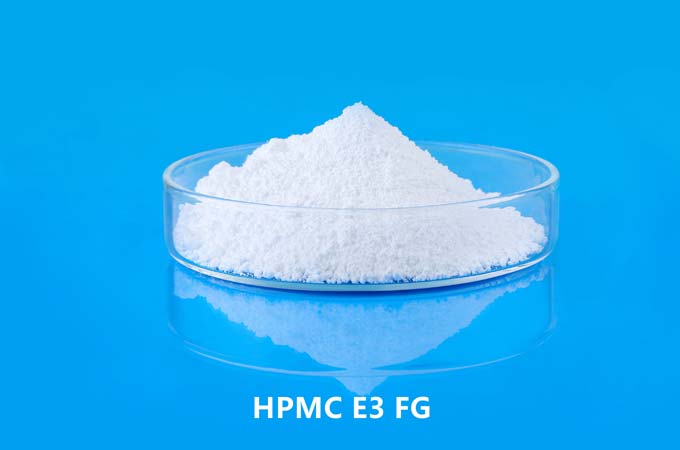
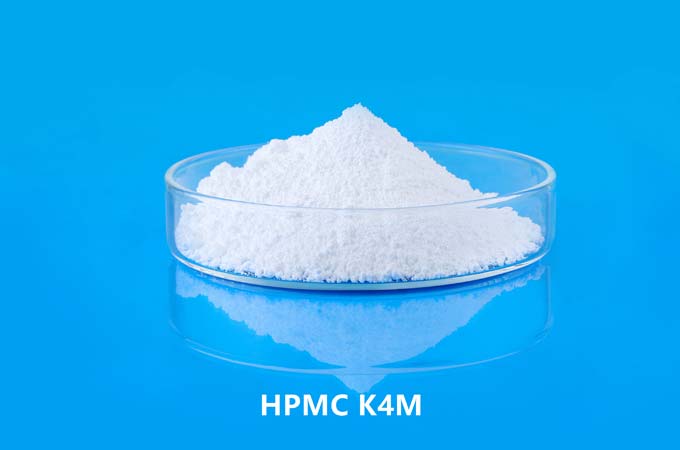
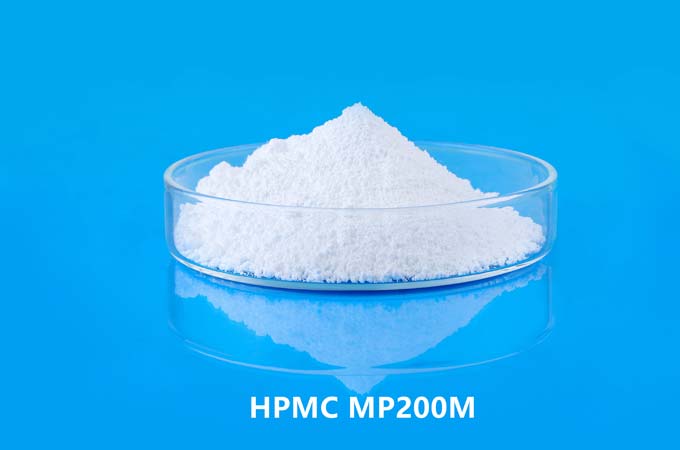
Hydroxypropyl methylcellulose (HPMC) is a nonionic cellulose ether made from natural cellulose through chemical modification (introduction of hydroxypropyl and methyl substituents). It is widely used in construction, food, medicine, cosmetics, and other fields, and its safety has always been a key concern for users and manufacturers.
1. Chemical Properties and Basic Safety Characteristics
HPMC is a white or off-white powder that is odorless and tasteless. It is chemically stable and insensitive to light, heat, and oxygen in the air. It swells in water to form a transparent or translucent solution and remains stable over a wide pH range (3-11). These properties make it non-explosive, non-flammable, and non-corrosive at room temperature and pressure. Therefore, it is classified as a low-hazard chemical during storage, transportation, and use.
2. Biocompatibility and Metabolic Characteristics
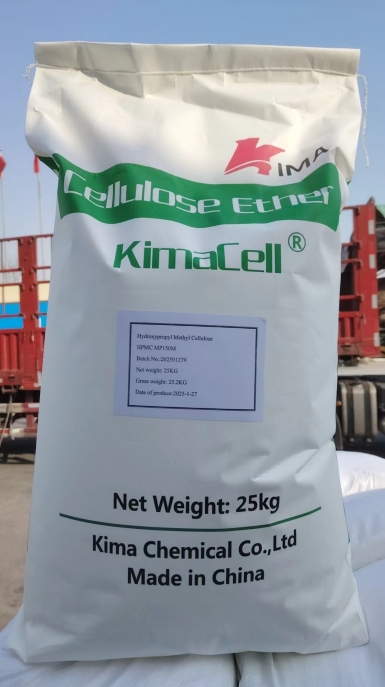
HPMC is derived from natural cellulose, but after modification, it cannot be absorbed by the human body as a nutrient. After oral ingestion, most HPMC is not digested and absorbed by the gastrointestinal tract and is excreted unchanged. A small amount may be partially degraded by intestinal flora into low-molecular-weight polysaccharides or organic acids, but this does not pose toxic side effects. Due to its high inertness and good biocompatibility, it is commonly used in the pharmaceutical field as tablet coatings, capsule shells, sustained-release materials, and ophthalmic adhesives. It has been designated as a GRAS (Generally Recognized As Safe) substance by the Codex Alimentarius Commission and the US FDA.
3. Toxicology and Safety Assessment Data
Several animal studies have demonstrated that HPMC has extremely low acute oral toxicity, with an oral LD50 value of greater than 20g/kg body weight in rats, placing it at a non-toxic level. In long-term ingestion studies, even at high doses (5%-10% of the diet), no adverse reactions such as carcinogenicity, mutagenicity, or reproductive toxicity were observed. In skin and eye irritation tests, HPMC exhibited no irritation or mild, transient irritation and was non-sensitizing to the skin. While inhaled dust is not toxic, high concentrations may cause temporary respiratory discomfort or mechanical irritation, so dust control measures are required during industrial operations.
4. Safety Standards for Use in Various Industries
Food Industry: HPMC can be used as a thickener, stabilizer, emulsifier, and film-forming agent. According to the "Standards for the Use of Food Additives," it can be added to food at GMP (Good Manufacturing Practice) levels, with no upper limit for the Acceptable Daily Intake (ADI).
Pharmaceutical Industry: HPMC is used in tablet adhesives, capsule shells, and controlled-release agents. It is included in numerous pharmacopoeias, with standards for purity, viscosity, and heavy metal content to ensure drug safety.
Cosmetics: It is used as a thickener and stabilizer in formulations of skin care products, shampoos, toothpastes, and other products. Used according to the ingredient categories specified in the Cosmetic Safety Technical Specifications, it is non-irritating to the skin and eyes.
Construction Materials: While not directly ingested by humans, dust inhalation and eye contact must be prevented during construction. Protective glasses and masks may be worn.
5. Usage and Storage Precautions
Avoid prolonged exposure to high dust concentrations. Wear a dust mask when necessary.
During application or mixing, prevent powder from coming into contact with eyes. If contact occurs, rinse with plenty of water.
Store in a dry, cool place to prevent moisture and caking. Keep away from strong acids, bases, and oxidizing substances to maintain product stability.
Production and use sites should be well ventilated to prevent dust accumulation.
Based on existing toxicological data, international safety certifications, and extensive practical application experience, HPMC is safe and reliable for use in the food, pharmaceutical, cosmetic, and construction industries. It is chemically stable, biocompatible, non-acutely or chronically toxic, and does not accumulate in the human body. However, during industrial operations, dust control and basic protective measures should be emphasized to prevent mechanical irritation and occupational dust exposure. As long as relevant standards and safe operating procedures are followed, HPMC can be considered a low-risk, environmentally friendly, and non-hazardous polymer functional material.


 English
 日本語
日本語 français
 Deutsch
 Español
 العربية
 Türkçe
 italiano
 русский
 português
 Nederland