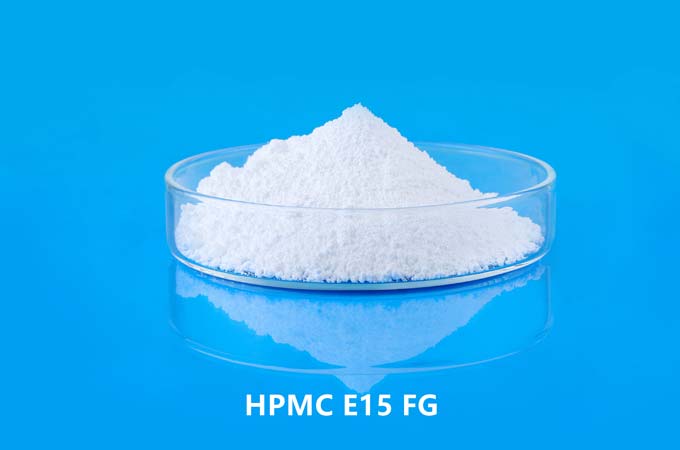
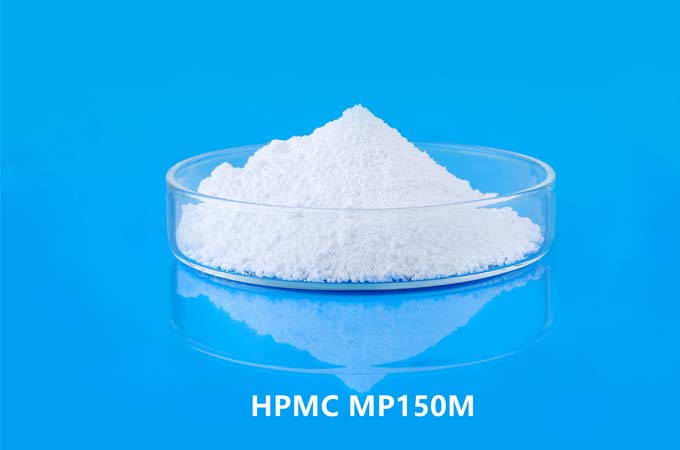
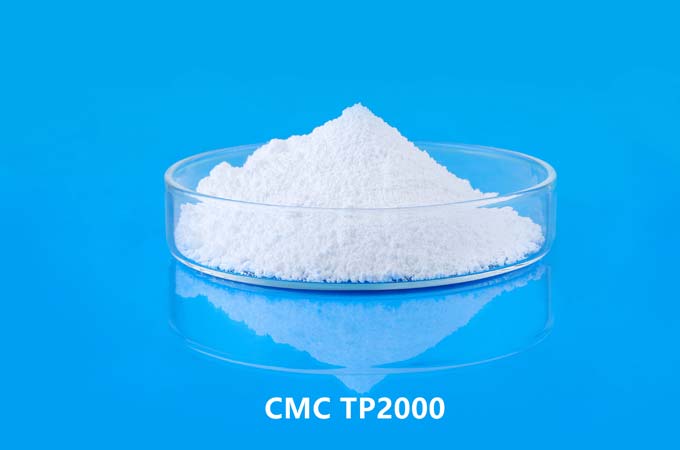
Hydroxypropyl methylcellulose (HPMC) is a common cellulose ether derivative widely used in pharmaceuticals, foods, cosmetics, and building materials. Due to its relatively natural origin, low toxicity, and stable properties, most people experience no significant adverse reactions upon contact or ingestion. However, some individuals may experience a degree of intolerance or allergic reaction to HPMC, typically manifesting as mild symptoms that are not life-threatening.
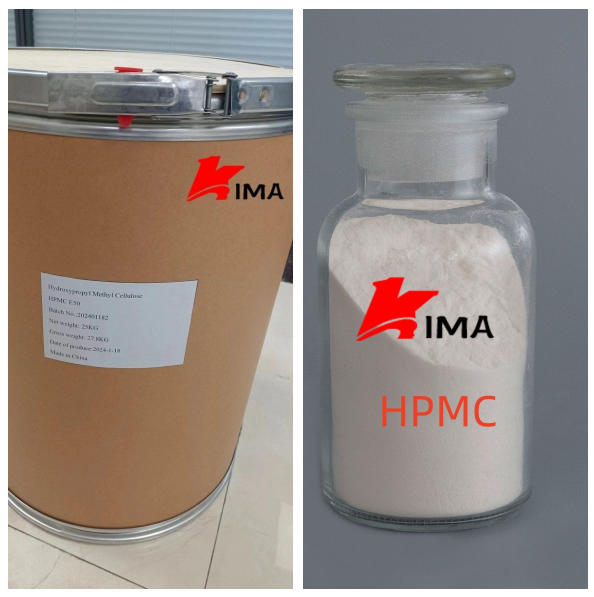
Itching or Mild Rash
When using topical ointments or cosmetics containing HPMC (such as masks, lotions, and cleansers), some sensitive individuals may experience localized itching, red spots, or mild redness. These reactions are typically limited to the contact area, such as the back of the hand, cheek, or neck. The mechanism may be a thin skin barrier or a mild allergic reaction of the individual's immune system to HPMC or other excipients in the formulation. Symptoms generally subside within a few hours to a day or two after discontinuing use.
Mild Eye Irritation
HPMC is commonly used as a main ingredient in artificial tears and eye drops in medicine and daily care, providing moisturizing and lubricating properties. While most people experience comfort after use, a few may experience brief stinging, slight redness, or itching. These symptoms are usually a sign of a mild allergic reaction or poor tolerance. Symptoms are generally short-lived and resolve with eye wash or switching to a formulation that does not contain HPMC.
Mild Respiratory Irritation
HPMC is often found in powder form during the production of building materials (such as tile adhesives and putty powders) or pharmaceutical tablets. When unprotected workers or pharmacists inhale large amounts of HPMC dust, they may experience mild respiratory irritation, such as sneezing, itchy throat, or a short cough. These reactions are not severe allergic reactions, but more akin to mechanical irritation. However, those with sensitive constitutions may still experience mild allergic rhinitis-like symptoms. These reactions can usually be effectively avoided by wearing a mask and maintaining adequate ventilation.
Mild Gastrointestinal Discomfort
When taking HPMC capsules or HPMC-containing medications or health supplements orally, some individuals may experience mild abdominal bloating, increased flatulence, or mild diarrhea. This is not a typical severe allergic reaction, but rather a temporary discomfort caused by HPMC absorbing water and swelling in the intestines to form a gel layer. Some individuals have sensitive digestive systems and experience this discomfort. These symptoms usually resolve spontaneously after discontinuation or dosage reduction.

Local Contact Reactions
HPMC is commonly used as a thickener and stabilizer in household chemicals or personal care products (such as toothpaste and skin creams). A very small number of people may experience mild dryness of the lips, mild itching in the mouth, or dry, cracked skin on the hands after long-term use. In most cases, these reactions are not severe and do not develop into systemic allergies. Instead, they represent a mild intolerance to a particular ingredient in the formulation (including HPMC or other excipients).
5.1. Characteristics of Mild Allergic Reactions
Symptoms are mild and localized: generally manifesting as localized discomfort in the skin, eyes, respiratory tract, or digestive tract. Highly Self-Limited: Most reactions resolve after cessation of exposure or short-term observation.
Reversible: No lasting damage or long-term health risks.
Distinct individual differences: Most people tolerate the product completely, with only a few sensitive individuals experiencing occasional reactions.
5.2. How to Manage Minor Allergic Reactions
Stop Exposure: If HPMC is suspected to be causing discomfort, discontinue use of the product immediately.
Symptomatic Treatment: Mild skin rashes can be treated with a mild moisturizer, and eye irritation can be rinsed with water.
Protective Measures: When working with HPMC powder, wearing a mask and gloves can reduce the risk of exposure.
Observe Symptoms: Most mild reactions resolve on their own within hours to days and do not require specific treatment.
Seek Medical Attention If Necessary: If symptoms persist or worsen, consult a doctor to rule out other causes.
HPMC is a relatively safe material. Mild allergic reactions to it primarily manifest as localized rash, mild eye discomfort, transient respiratory irritation, or mild gastrointestinal discomfort. These symptoms are generally self-limited and reversible, and do not pose a serious threat to health. Only a very small number of sensitive individuals may experience such reactions, so HPMC is still considered a highly safe excipient or additive with low allergic risk.


 English
 日本語
日本語 français
 Deutsch
 Español
 العربية
 Türkçe
 italiano
 русский
 português
 Nederland