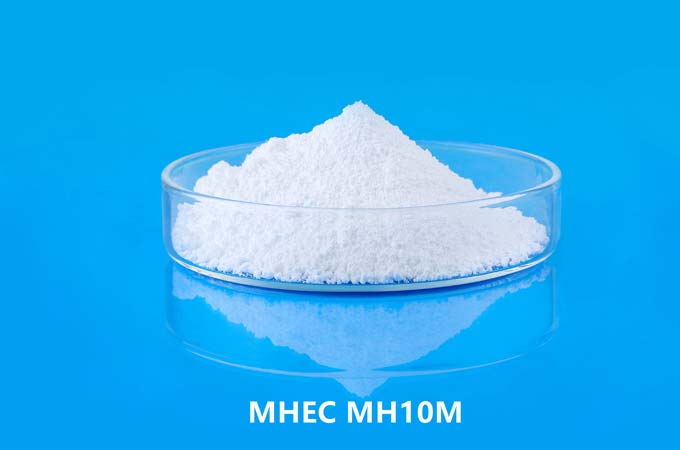
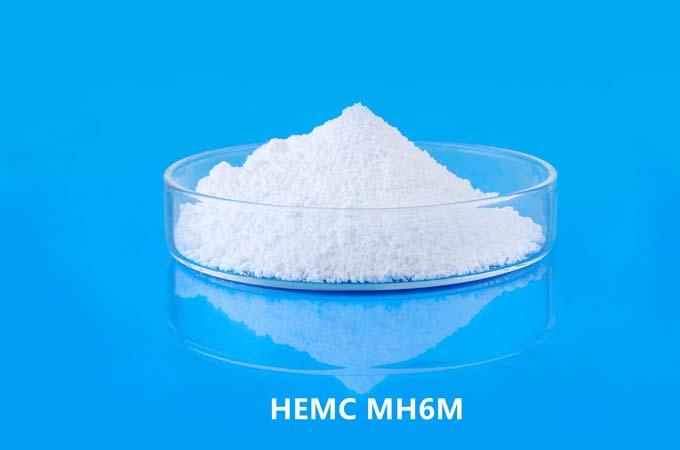
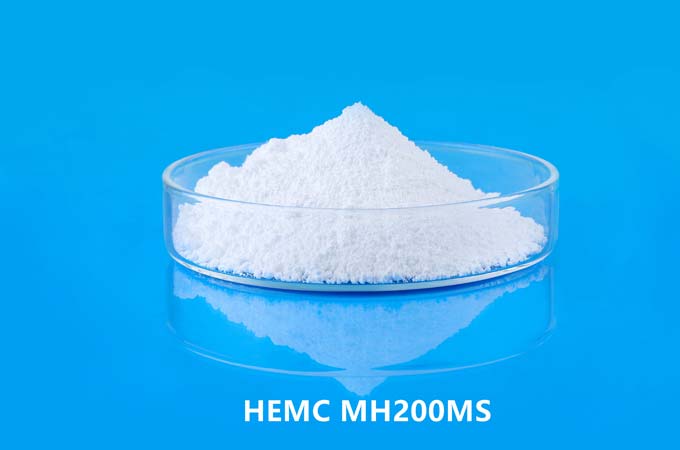
Hydroxypropyl cellulose (HPC) is a nonionic, water-soluble polymer derived from chemically modified natural cellulose. It is widely used in the pharmaceutical, food, and cosmetic industries, particularly as a tablet binder, sustained-release material, capsule shell material, thickener, and stabilizer. Due to its safe source and stable chemical properties, it is generally considered to have very low toxicity and has been listed as a safe excipient by the US FDA, the European Pharmacopoeia, and many other national and regional pharmacopoeias.

Known Side Effects
1.1. Mild Gastrointestinal Disorders
When hydroxypropyl cellulose is used in oral preparations, some sensitive individuals may experience mild digestive discomfort, such as bloating, mild diarrhea, or constipation. This is primarily related to its swelling due to water absorption in the intestines, similar to the effects of dietary fiber, and in most cases is a temporary condition.
1.2. Isolated Reports of Allergic Reactions
Hydroxypropylcellulose itself has very low allergenicity, but people with a history of allergies to cellulose derivatives may experience mild symptoms such as rash, itching, or eye irritation. These are rare and usually resolve after discontinuation of the relevant preparation.
1.3. Minor Irritation in Ocular Preparations
Hydroxypropylcellulose is commonly used as a lubricant and thickener in artificial tears or eye gels. Some users may experience a brief burning sensation or foreign body sensation in the eyes initially, but these reactions usually disappear within a few minutes and are not serious.
1.4. Potential Risks of High-Dose Use
At extremely high doses (far exceeding those used in conventional pharmaceutical excipients or food additives), its high viscosity and water absorption may affect the absorption of nutrients in the digestive tract. However, there are few reports of large-scale adverse reactions in clinical practice.
Drug or Ingredient Interactions
2.1. Impact on Drug Absorption Rate
Hydroxypropylcellulose is commonly used in controlled-release or sustained-release preparations, and its gel-forming mechanism may delay drug release. Therefore, if taken concurrently with medications requiring rapid onset of action, the onset of drug effect may be altered. This interaction is often a designed pharmaceutical property rather than a dangerous adverse effect, but pharmacists and physicians should be aware of it during prescribing.
2.2. Additive Effects with Other Adhesives or Thickeners
The presence of multiple high-molecular-weight thickeners (such as hydropropyl methylcellulose and sodium carboxymethylcellulose) in foods or health supplements may increase the intestinal viscosity burden and cause transient digestive discomfort.
2.3. Physical Binding with Nutrients or Drugs
HPC may form weak physical encapsulation or complexation interactions with certain ionic drugs or nutrients, slightly reducing their absorption rate. However, these interactions are generally mild and do not result in serious clinical consequences.
2.4. Potential Interaction with Alcohol
For sustained-release formulations containing hydroxypropyl cellulose, if taken concurrently with high concentrations of alcohol, the alcohol may alter the gel layer structure, leading to premature drug release and causing the so-called "dose dumping" effect. While this situation is more common with other sustained-release excipients, caution is still warranted with HPC preparations.
3. Overall Safety Assessment
Based on current research and application practice, hydroxypropyl cellulose has a very high toxicological safety profile. Acute toxicity studies have shown its LD50 value to be significantly higher than that of common pharmaceutical excipients, indicating that it is not susceptible to acute poisoning. Long-term ingestion or application has also not been associated with significant carcinogenic, teratogenic, or genotoxic risks. Therefore, it is widely used worldwide in pharmaceuticals, functional foods, and cosmetics.

4. Usage Recommendations
At normal doses, hydroxypropyl cellulose rarely causes serious side effects and is safe for most people.
Patients with a history of allergies to cellulose derivatives should exercise caution when selecting preparations containing HPC.
Medications requiring rapid efficacy should avoid mixing with hydroxypropyl cellulose sustained-release system preparations.
If persistent redness, swelling, or irritation occurs while using eye drops or artificial tears containing HPC, discontinue use and consult a physician. If high doses are used long-term (such as in special nutritional supplements or high-dose preparations), it is recommended to follow a physician's instructions to avoid swelling that may affect digestion and absorption due to water absorption.
Hydroxypropylcellulose, a commonly used pharmaceutical excipient and food additive, is generally very safe. Side effects are mostly mild and transient gastrointestinal discomfort or local irritation, with very few serious adverse reactions. Potential interactions are primarily related to drug release rate and physical binding, and can often be avoided clinically through rational design and standardized dosing. Many hydroxypropyl cellulose manufacturers emphasize its excellent safety profile and functional versatility. Overall, HPC strikes a good balance between safety and application value, making it an indispensable material in modern pharmaceutical science.


 English
 日本語
日本語 français
 Deutsch
 Español
 العربية
 Türkçe
 italiano
 русский
 português
 Nederland