Enhancing Dough Rheology and Gas Retention for Improved Loaf Volume
Food-grade Hydroxypropyl Methylcellulose (HPMC) has become an increasingly valuable functional polymer in the baking industry due to its ability to modify dough rheology, stabilize gas cells, and ultimately enhance loaf volume. These performance benefits are particularly important in applications that lack sufficient gluten strength—such as gluten-free, high-fiber, high-sugar, or protein-enriched baked products—where dough development and aeration present well-known formulation challenges.
From a structural perspective, HPMC contributes to dough rheology by improving hydration kinetics and forming a viscoelastic film during mixing. This temporary network helps distribute water evenly throughout the flour matrix while moderating dough extensibility and resistance. Such control over rheological behavior allows bakers to maintain consistent dough handling properties during industrial processing steps like sheeting, portioning, and fermentation.
Gas retention is another key performance advantage. During proofing, carbon dioxide generated by yeast must remain within the dough matrix long enough to expand cell walls and create the characteristic alveolar structure of bread. In wheat-based formulas, gluten performs this role; however, gluten-free systems often lack the elastic and cohesive properties required to trap gas effectively. HPMC compensates by forming a thermo-gelling film during baking. As oven temperature rises, HPMC transitions into a heat-induced gel that reinforces cell walls, enhances foam stability, and minimizes gas escape. The result is greater loaf height, improved crumb softness, and a more uniform structure.
This thermo-gellation also delays crumb setting, allowing the dough to continue expanding before starch and proteins fully solidify. In clean-label and plant-based bakery systems, this mechanism can partially replace traditional dough conditioners such as emulsifiers or oxidants, reducing formulation complexity and supporting modern consumer demands for simpler ingredient lists.
Moisture management further influences loaf volume and shelf life. By binding water, HPMC slows staling and maintains crumb elasticity over time. This water retention complements fermentation performance, improves freeze–thaw stability in par-baked products, and contributes to consistent results across industrial production environments.
Food-grade HPMC offers a multifunctional solution for enhancing dough rheology and gas retention—two critical factors determining loaf volume and final product quality. Whether applied in conventional wheat breads, gluten-free bakery, high-protein sports nutrition bars, or artisanal plant-based formulations, HPMC provides formulators with a flexible tool to overcome processing challenges, improve structural integrity, and support both sensory and nutritional innovation within the baking sector.
Achieving Moisture Control, Soft Crumb Texture, and Extended Shelf Life
Food-grade Hydroxypropyl Methylcellulose (HPMC) plays a pivotal role in moisture regulation and texture stabilization in baked goods, directly influencing product quality, consumer perception, and shelf life. In bakery systems, water mobility and crumb firmness evolve rapidly after baking due to starch retrogradation and moisture migration. HPMC helps mitigate these effects through water binding, gel formation, and film-forming mechanisms that collectively slow staling and maintain softness over time.
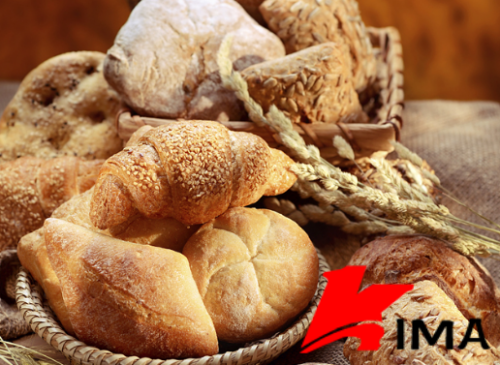
Moisture control begins within the mixing and fermentation stages. HPMC hydrates quickly, increasing dough viscosity and dispersing water more uniformly within flour particles and hydrocolloids. This creates a more cohesive matrix that can withstand processing stresses without excessive drying or stickiness. During proofing and baking, HPMC's thermo-gelling behavior acts as a moisture barrier, reducing surface evaporation and allowing internal water to remain available for starch gelatinization and protein denaturation.
Soft crumb texture is strongly influenced by how water interacts with starch granules after gelatinization. In conventional wheat bakery, gluten networks and amylopectin contribute to elasticity and softness, but in gluten-free or fiber-enriched formulations these mechanisms are often impaired. HPMC compensates by forming a flexible gel network that reinforces crumb structure without increasing density. This elastic matrix provides a desirable "springiness" and prevents crumb collapse or brittleness, which is especially beneficial in products such as gluten-free sandwich loaves, brioche-style breads, and sweet bakery items.
Extended shelf life is another major benefit. Staling is driven by starch retrogradation, where amylopectin chains recrystallize and expel moisture, leading to crumb firming. HPMC slows this process by maintaining water within the amorphous regions of starch and reducing the rate of retrogradation. As a result, baked goods retain elasticity and softness for longer periods, enabling manufacturers to meet commercial shelf-life requirements without relying heavily on synthetic preservatives or additives.
In frozen or par-baked bakery systems, moisture retention becomes even more critical due to ice crystal formation and thawing effects. HPMC enhances freeze–thaw stability by modulating water distribution and reducing syneresis, helping maintain volume, softness, and sensory attributes after storage and reheating.
The moisture management, crumb-softening, and anti-staling properties of HPMC contribute directly to consumer satisfaction and operational efficiency. By enabling softer textures, longer freshness, and cleaner labels, HPMC provides significant value in modern bakery formulations ranging from everyday sandwich bread to premium gluten-free specialties and refrigerated or frozen bakery lines.
Replacing Gluten Functionality in Clean-Label and Gluten-Free Bakery Systems
Replacing gluten functionality has become one of the most persistent technical challenges in the bakery sector, particularly as demand grows for gluten-free, vegan, and clean-label products. Gluten provides elasticity, extensibility, gas retention, and structural cohesion—attributes that are difficult to replicate with conventional starches or proteins alone. Food-grade Hydroxypropyl Methylcellulose (HPMC) serves as a multifunctional hydrocolloid capable of partially mimicking gluten's behavior, thereby enabling bakers to produce high-quality alternatives without compromising texture or volume.
In gluten-free dough systems, the lack of viscoelastic protein networks often leads to poor gas retention, dense crumb structure, and reduced loaf height. HPMC addresses these limitations through hydration and thermo-gelling mechanisms. During mixing, HPMC hydrates rapidly and increases dough viscosity, which helps bind starches, fibers, and plant proteins into a cohesive matrix. As fermentation begins, this matrix increases gas-holding capacity, allowing carbon dioxide to expand cells more uniformly.
Thermo-gellation is a defining benefit. As oven temperatures rise, HPMC transforms into a heat-induced gel that stabilizes expanding gas cells and reinforces dough structure during the critical oven-spring phase. This behavior closely parallels gluten's ability to set upon heating and provides the necessary support to achieve improved volume, crumb softness, and structural uniformity. The result is a more appealing sensory profile that aligns with conventional wheat-based baked goods.
Clean-label initiatives further highlight HPMC's relevance. Traditional gluten replacement systems often rely on emulsifiers, oxidants, and synthetic dough conditioners to strengthen structure, enhance volume, or extend freshness. HPMC can reduce the dependence on such additives by contributing multiple functionalities through a single ingredient, thus simplifying ingredient lists and supporting consumer expectations around transparency and naturalness.
Beyond bread, HPMC also benefits gluten-free sweet bakery products—such as cakes, muffins, and pastry-style items—where tenderness and deformation resistance are critical to handling and packaging. In these applications, HPMC enhances batter aeration, stabilizes foams, and prevents collapse during cooling. Additionally, it improves freeze–thaw stability in ready-to-bake and par-baked formats, supporting industrial manufacturing and logistical efficiency.
Plant-based and allergen-friendly product development represents another expanding domain. Protein-enriched or high-fiber formulations aimed at sports nutrition or metabolic health frequently disrupt traditional dough dynamics. HPMC provides a versatile tool to reconcile nutritional enhancements with desirable sensory performance.
HPMC serves as a functional and clean-label option for replicating gluten's structural role across a wide range of modern bakery applications, enabling better texture, higher volume, and broader consumer appeal in gluten-free and plant-based formats.
Improving Freeze–Thaw Stability and Production Consistency in Industrial Baking
In industrial baking, maintaining product quality through freezing, storage, and thawing is a critical challenge, especially for par-baked or frozen bakery products. Repeated freeze–thaw cycles can compromise dough structure, cause moisture migration, and lead to uneven crumb texture or volume loss. Food-grade Hydroxypropyl Methylcellulose (HPMC) has emerged as a reliable solution to enhance freeze–thaw stability and ensure consistent results in large-scale production environments.
HPMC's functionality in freeze–thaw applications begins with its water-binding and gel-forming properties. During freezing, ice crystals can form within the dough or baked matrix, disrupting cell walls and leading to syneresis (water leakage) upon thawing. HPMC mitigates these effects by binding free water and forming a protective gel network around starch granules and protein components. This network stabilizes the dough structure, reduces ice crystal-induced damage, and minimizes water migration, resulting in a more uniform crumb structure after baking.

Consistent dough rheology is another key benefit for industrial production. HPMC improves batter and dough viscosity, creating a stable matrix that withstands mechanical stress during mixing, sheeting, and portioning. This stability ensures that each product maintains consistent size, shape, and gas retention, reducing variability across batches. For gluten-free and high-fiber formulations, where natural viscoelasticity is limited, HPMC is particularly critical for maintaining structural integrity before and after freezing.
Thermo-gelling behavior further enhances performance during baking. As frozen dough or par-baked goods enter the oven, HPMC transitions into a heat-induced gel that reinforces cell walls and prevents collapse during the oven-spring phase. This effect not only restores volume lost during freezing but also preserves the soft, elastic crumb texture that consumers expect from freshly baked products.
HPMC also contributes to extended shelf life and product resilience. By retaining moisture, it slows staling and preserves softness, even after freezing and storage. This property is especially valuable in industrial settings where baked goods must be transported, stored, and displayed over multiple days without compromising quality.
HPMC provides a multifunctional solution to the challenges of freeze–thaw processes in industrial baking. Its water-binding, gel-forming, and thermo-gelling properties protect dough and baked structures, improve batch-to-batch consistency, and maintain desirable texture and volume. By incorporating HPMC, manufacturers can deliver reliable, high-quality frozen or par-baked products, reduce waste, and meet the growing demand for convenient, ready-to-bake bakery items.


 English
 日本語
日本語 français
 Deutsch
 Español
 العربية
 Türkçe
 italiano
 русский
 português
 Nederland