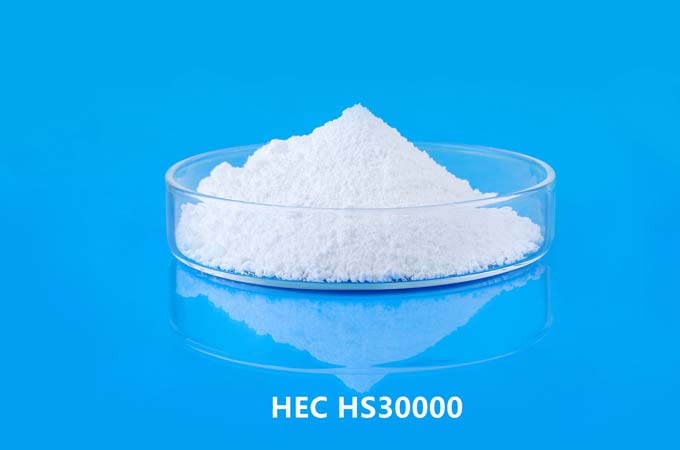
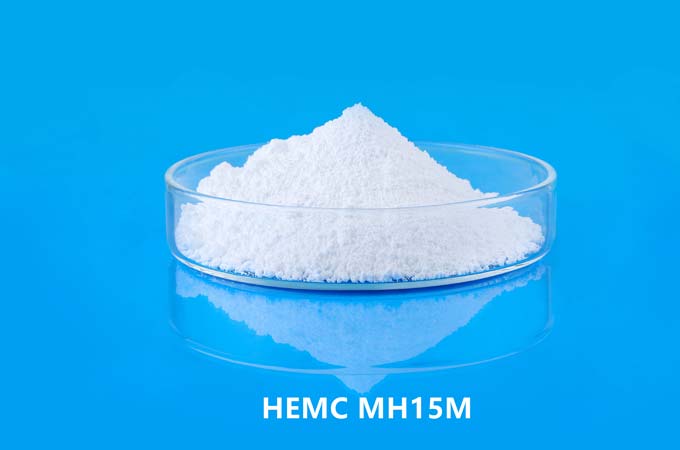
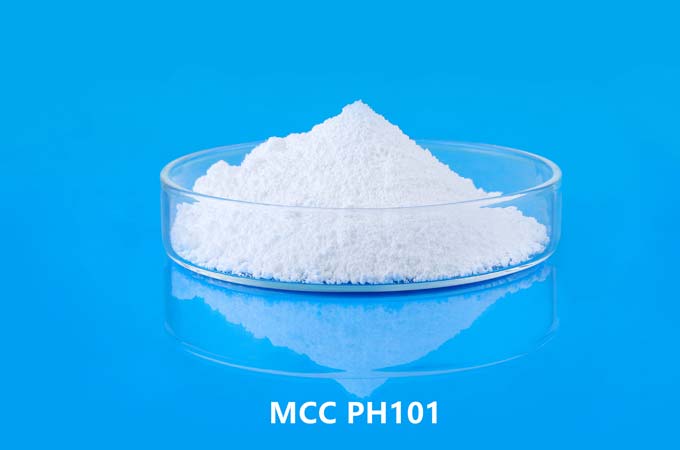
Influence of Substitution Degree, Viscosity, and Molecular Weight on HPMC Functional Behavior
The performance of hydroxypropyl methylcellulose (HPMC) across industries such as construction, pharmaceuticals, food, and personal care is significantly affected by its molecular structure and physical characteristics. Among these, the substitution degree (DS/MS), viscosity grade, and molecular weight are particularly influential.
The substitution degree describes the degree to which hydroxyl groups on the cellulose backbone are replaced by methoxy and hydroxypropyl groups. This modification not only improves the solubility of HPMC in cold water but also affects hydration rate, gel temperature, and rheological behavior. Higher levels of hydroxypropyl substitution increase flexibility and water compatibility, leading to improved film-forming and thermal gelation properties. Conversely, methoxy content is strongly correlated with thickening and surface activity, enhancing adhesive performance in cementitious systems and improving mouthfeel in food applications.
Viscosity is another defining characteristic that reflects polymer chain entanglement and hydration behavior. Higher-viscosity HPMC grades provide greater water retention, thickening, and suspension capability, making them ideal for tile adhesives, exterior insulation finishing systems (EIFS), and gypsum-based plasters. Lower-viscosity grades hydrate faster and enhance flowability, making them suitable for tablet film-coating, extrusion processes, and liquid personal care formulations. Viscosity also interacts with system solids content, temperature, and shear conditions, requiring precise selection based on application demands.
Molecular weight plays a pivotal role in mechanical strength, rheology, and film properties. Longer polymer chains deliver stronger film formation, improved barrier characteristics, and higher cohesive strength, benefiting pharmaceuticals (controlled-release matrices) and coatings. However, excessively high molecular weight can hinder dissolution rates, increase mixing time, and reduce processing efficiency, especially in high-speed construction formulations. In contrast, low-molecular-weight HPMC improves solubility and compatibility but may compromise structural performance.
Importantly, these three factors rarely act independently. Higher substitution levels often correlate with increased molecular flexibility and altered viscosity behavior. Optimizing HPMC functional performance therefore requires balancing substitution chemistry, viscosity grade, and molecular weight with the intended end-use environment. Factors such as pH, ionic strength, temperature, and blend compatibility further influence system performance, highlighting the necessity of formulation-driven selection rather than single-parameter evaluation.
Impact of Surface Treatment, Particle Size, and Dispersion on Hydration and Workability
In applications ranging from dry-mix mortars and tile adhesives to food systems and cosmetic emulsions, the practical performance of hydroxypropyl methylcellulose (HPMC) depends not only on its molecular composition but also on physical attributes such as surface treatment, particle size, and dispersion behavior. These factors critically influence hydration kinetics, dissolution efficiency, and ultimately the workability and stability of the formulation.
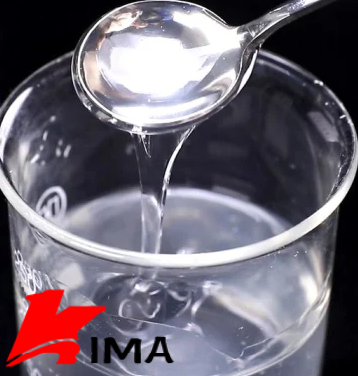
Surface treatment of HPMC is commonly carried out to delay or control hydration. Untreated HPMC hydrates rapidly upon contact with water, generating immediate viscosity buildup. While advantageous for certain liquid formulations, this fast hydration can cause lumping in dry-mix systems. Surface-treated grades use functional additives that temporarily inhibit hydration, allowing dry blending with cement, fillers, and polymer powders without premature gelling. Once mixed with water, the treatment dissolves and hydration proceeds uniformly. This controlled hydration improves open time, cohesion, and water retention, essential for construction mortars and tile adhesives requiring smooth application and extended workable life.
Particle size also plays a decisive role. Fine particles offer faster wetting and more uniform dispersion, providing quicker viscosity development and enhanced film-forming capability. Coarser particles hydrate more slowly and may require prolonged mixing to achieve full thickening, but they can help prevent lumping and facilitate storage stability in complex dry blends. Particle size distribution (PSD) further influences rheology, sedimentation resistance, and compatibility with mineral aggregates. Optimizing PSD is therefore a practical approach to balancing dissolution speed and application performance.
Dispersion quality is equally important for functional efficiency. Poor dispersion can lead to agglomerates that hydrate unevenly, reducing thickening and water retention performance. In cementitious materials, inadequate dispersion restricts HPMC from coating mineral particles, diminishing its ability to control water loss and improve adhesion. Mechanical shear, mixing protocol, water temperature, and pre-wetting techniques all influence dispersion behavior. For aqueous formulations, dispersants, co-thickeners, or surfactants may be incorporated to enhance uniformity and stability.
Surface treatment, particle size, and dispersion determine how efficiently HPMC transitions from dry polymer to hydrated functional thickener. Effective optimization enhances workability, water retention, and cohesion, while minimizing defects such as lumping, inconsistent viscosity, and poor spreadability. For formulators, understanding these physical mechanisms is key to achieving predictable performance and improving processing efficiency across diverse end-use systems.
Compatibility of HPMC with Cementitious, Food, and Cosmetic Systems: Mechanisms and Challenges
Hydroxypropyl methylcellulose (HPMC) is widely used across cementitious building materials, food formulations, and personal care products due to its multifunctional roles in thickening, water retention, stabilization, and film formation. However, the compatibility of HPMC within these diverse systems is governed by different physicochemical mechanisms and presents unique formulation challenges.
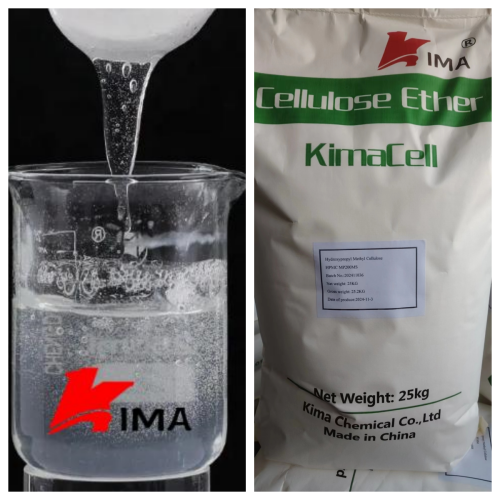
In cementitious systems such as tile adhesives, EIFS mortars, and gypsum plasters, HPMC interacts with mineral binders, aggregates, and redispersible polymer powders. Its primary functions include water retention, viscosity control, slip resistance, and improved adhesion. Compatibility depends on ionic strength, pH, hydration kinetics, and the presence of cement hydrates. High alkalinity and multivalent ions can influence polymer adsorption and gelation behavior, while temperature affects open time and sag performance. Challenges arise when balancing hydration control with workability; excessive viscosity can impair trowelability and wetting of substrates, whereas insufficient viscosity may reduce cohesion and bonding strength.
In food systems, HPMC functions as a thickener, stabilizer, and texture modifier. It is especially valuable in gluten-free bakery products, dairy alternatives, and low-fat formulations. Compatibility in food matrices is driven by interactions with starches, proteins, lipids, and sugars. Thermal gelation imparts unique structural properties, supporting dough rheology and moisture retention during baking. However, formulation challenges include matching mouthfeel and elasticity to gluten analogs, maintaining clarity in beverages, and preventing phase separation in emulsion systems. Additionally, regulatory and sensory considerations play a key role in ingredient selection and optimization.
In cosmetics and personal care products—such as lotions, creams, shampoos, and gels—HPMC contributes to emulsion stabilization, rheology modification, and film formation on skin or hair. Compatibility is influenced by surfactant systems, pH, electrolytes, and co-thickeners. Cationic ingredients (e.g., conditioning agents) may interact electrostatically with nonionic HPMC, affecting viscosity and stability. Achieving consistent aesthetics, spreadability, and long-term storage stability requires careful control of polymer concentration, dispersion, and hydrating conditions.
Across all three application categories, the main compatibility challenges stem from balancing hydration speed, viscosity development, and system stability under varying thermal, mechanical, and chemical conditions. Successful formulation relies on selecting appropriate HPMC grades with suitable substitution levels, molecular weight, particle size, and surface treatment. Understanding these mechanisms allows formulators to fine-tune performance and mitigate system-specific processing constraints, ultimately enabling broader and more efficient use of HPMC in modern industrial applications.
Process Strategies and Formulation Techniques for Enhancing HPMC Stability and Efficiency
Enhancing the stability and efficiency of hydroxypropyl methylcellulose (HPMC) in practical formulations requires consideration of chemistry, processing, and application conditions. Since HPMC performance depends on hydration, rheology development, and interactions with other components, strategic formulation and optimized processing can significantly improve system behavior across diverse sectors including construction materials, pharmaceuticals, food, and personal care.
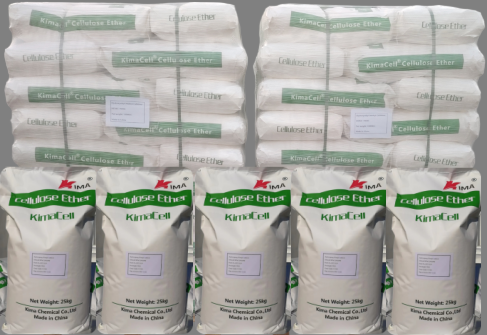
One key strategy involves controlling hydration kinetics. In dry-mix mortars and tile adhesives, delayed hydration grades are commonly selected to prevent premature thickening and lumping during mixing. Surface treatment technologies temporarily inhibit water penetration, enabling uniform dispersion before viscosity builds. Additional control can be achieved by adjusting water temperature, mixing shear, and wetting sequence, ensuring HPMC is fully dispersed before gelation. In aqueous liquid systems, pre-wetting with non-solvent liquids (such as glycols or oils) and using high-speed dispersers improves dissolution and viscosity consistency.
Co-formulation with synergistic additives is another effective technique. In cementitious systems, pairing HPMC with redispersible polymer powders, starch ethers, or fine mineral fillers enhances workability, open time, and adhesion. In personal care emulsions, HPMC often works in combination with xanthan gum, carbomers, or cellulose derivatives to stabilize phases and tailor viscoelasticity. Food applications make use of protein, starch, or hydrocolloid blending to build texture and maintain moisture during thermal processing. Selecting compatible co-additives helps mitigate phase separation, sedimentation, and mechanical instability.
Process optimization also includes tailoring particle size distribution (PSD). Fine grades hydrate faster and achieve higher viscosity efficiency, whereas coarser fractions allow prolonged mixing and reduced lumping. Adjusting PSD helps balance dissolution speed and workability. Mechanical processing techniques such as high-shear dispersion and homogenization further enhance particle break-up and uniformity, improving final performance.
Thermal and chemical stability considerations are critical for both manufacturing and end-use. For example, thermal gelation of HPMC is advantageous in baking and extrusion, but may limit workability in hot climates for construction materials. pH and ionic strength must also be considered, as electrolytes and multivalent ions can alter polymer hydration and film formation. Stabilizing agents, buffering systems, and controlled temperature processing can help maintain system integrity.
Improving HPMC stability and efficiency requires a formulation-driven approach that integrates polymer grade selection, controlled hydration, synergistic additive blending, and optimized processing conditions. By aligning these strategies with the specific functional requirements of the target application, formulators can achieve predictable performance, reduce defects, and enhance the value delivered by HPMC in modern industrial systems.


 English
 日本語
日本語 français
 Deutsch
 Español
 العربية
 Türkçe
 italiano
 русский
 português
 Nederland