The global oil and gas industry depends heavily on advanced chemical additives to maintain drilling efficiency, improve wellbore stability, and reduce operational risk. Among these additives, Hydroxyethyl Cellulose (HEC) has become one of the most valuable polymers used in drilling fluids.
Although often associated with paints, HEC cosmetics, and construction materials, HEC has also established itself as a critical component in oilfield operations due to its unique rheological and fluid-control properties.
As drilling environments become more complex—with deeper wells, higher temperatures, and more challenging geological formations—the demand for reliable fluid additives continues to increase. Major specialty chemical producers such as Ashland Global Holdings Inc., Dow Chemical Company, and BASF SE have invested in developing high-performance HEC grades specifically for oilfield use.
This article examines why HEC is so important in oil drilling, exploring its chemistry, performance benefits, operational value, and future market potential if you want to buy HEC.
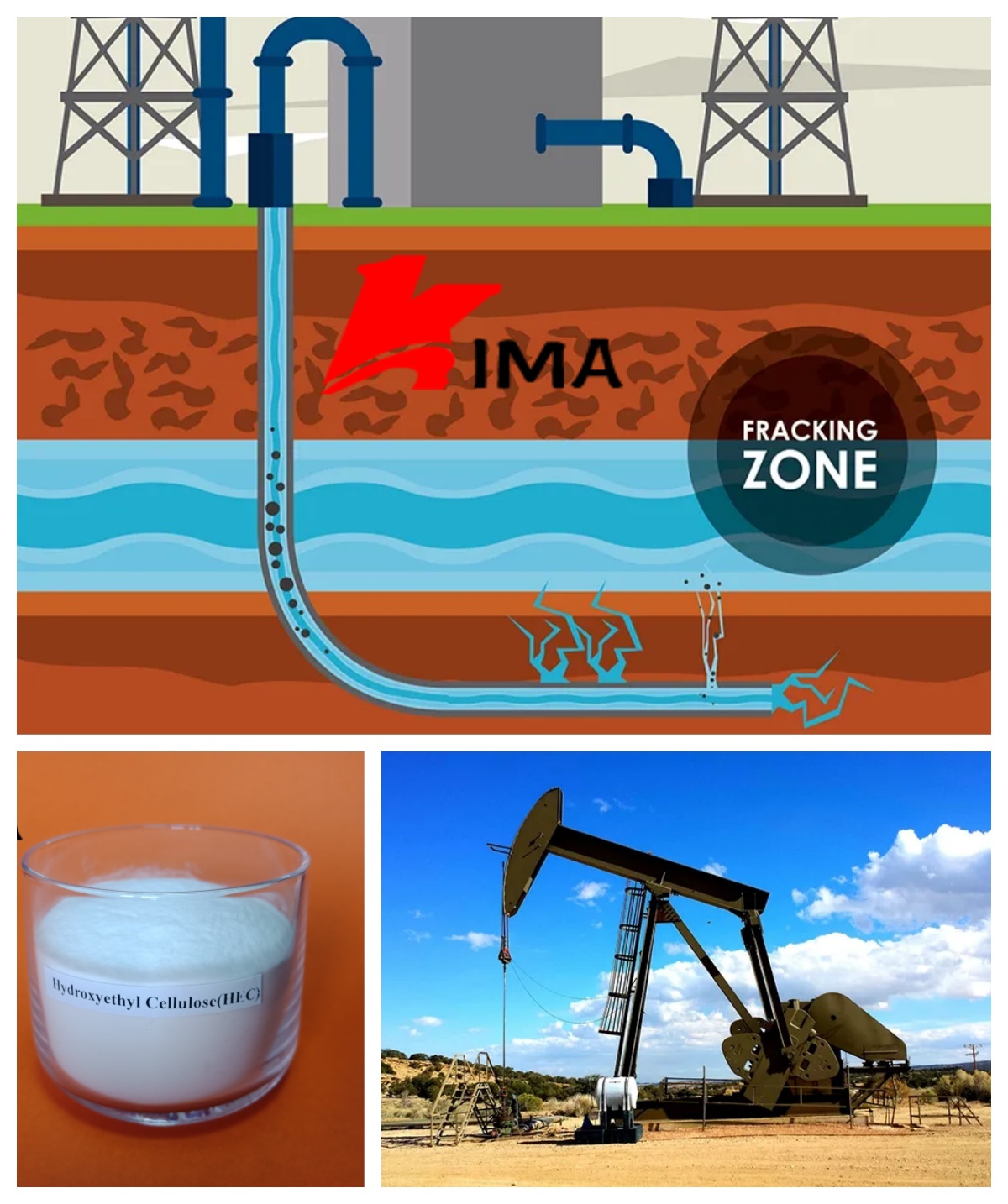
Understanding HEC and Its Chemical Properties
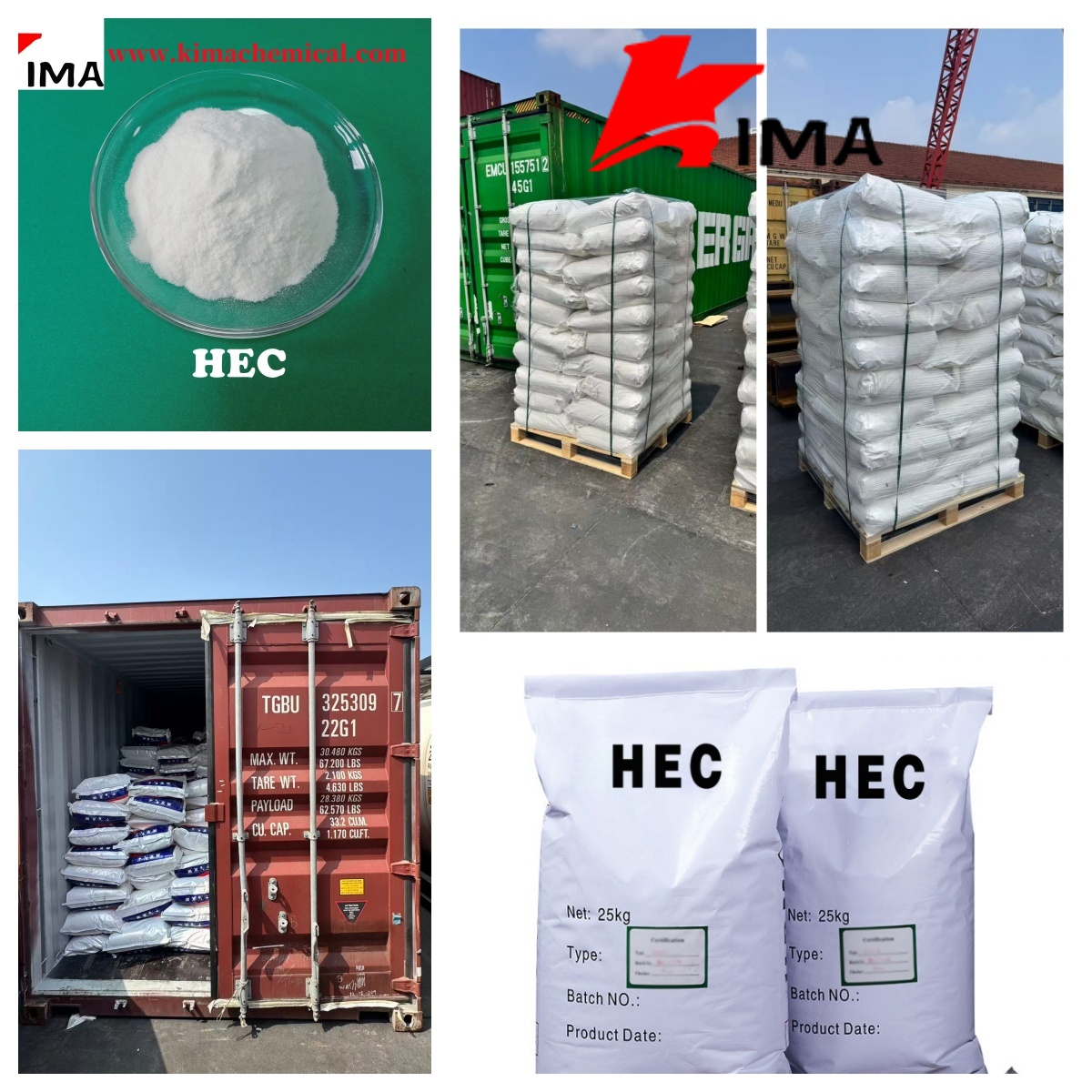
HEC Hydroxyethyl Cellulose is a non-ionic water-soluble polymer derived from natural cellulose. It is produced by reacting purified cellulose with ethylene oxide, introducing hydroxyethyl groups into the cellulose backbone.
Key Properties of HEC
HEC offers several properties that make it highly suitable for oil drilling:
Excellent water solubility
Strong thickening ability
Salt tolerance
Stable viscosity across a wide pH range
Good suspension performance
Biodegradable origin
Because HEC is non-ionic, it remains stable in many brine systems and is compatible with a broad range of drilling fluid additives.
Role of Drilling Fluids in Oil Exploration
To understand HEC’s importance, it is essential to first understand drilling fluids.
Drilling fluids (or drilling muds) serve multiple purposes:
Carry drill cuttings to the surface
Cool and lubricate the drill bit
Control formation pressure
Stabilize the wellbore
Reduce fluid loss into the formation
Without proper fluid performance, drilling efficiency declines and operational risks rise significantly.
HEC helps optimize these critical fluid functions.
HEC Viscosity Control: One of HEC's Most Important Functions
The most recognized role of HEC in drilling is viscosity control.
How HEC Works
When dissolved in water, HEC forms a hydrated polymer network that increases fluid viscosity. This improved HEC viscosity helps:
Benefits in the Field
A properly thickened drilling fluid:
HEC enables precise viscosity adjustment without excessive density increase.
Suspension of Drill Cuttings
During drilling, crushed rock fragments must be transported out of the wellbore.
HEC improves:
Without sufficient suspension:
HEC helps keep the system stable even during temporary circulation pauses.
Fluid Loss Control and Formation Protection
Fluid loss is a major challenge in drilling.
Why Fluid Loss Matters
Excess fluid entering the formation can cause:
Formation damage
Reduced production
Increased drilling cost
Wellbore instability
HEC helps by forming a thin, low-permeability filter cake on the borehole wall.
Benefits
This makes HEC especially useful in sensitive formations.
Wellbore Stability Enhancement
Unstable wellbores can lead to major operational failures.
HEC contributes to:
Stable wellbores reduce:
This can significantly lower total drilling costs.
Salt and Electrolyte Compatibility
Many drilling operations use:
Seawater
Brines
Salt-containing systems
HEC performs well because it:
Compared with some other polymers, HEC provides better performance in saline environments.
Thermal Stability in Challenging Wells
Deep wells expose fluids to:
Special oilfield-grade HEC can:
Although other specialty polymers may outperform HEC at extreme temperatures, HEC remains valuable in many standard and mid-depth operations.
Environmental Benefits of HEC
Environmental regulations are becoming stricter worldwide.
HEC offers advantages:
This helps operators meet environmental standards while maintaining performance.
Companies such as BASF SE continue developing greener drilling additives.
Economic Advantages for Operators
HEC can reduce overall drilling costs by:
Even though specialty grades may cost more per kilogram, the operational savings often outweigh the material cost.
Comparison with Other Oilfield Polymers
HEC is often compared with:
HEC Advantages
Better clarity
Good salt tolerance
Smooth rheology
Easy mixing
Potential Limitations
Its suitability depends on drilling conditions.
HEC in Completion and Workover Fluids
HEC is also used beyond drilling.
In completion fluids it provides:
Sand suspension
Viscosity control
Formation protection
In workover operations it helps:
Carry solids
Maintain fluid stability
Reduce formation damage
This expands its value across oilfield operations.
Market Growth and Industry Demand
The global demand for HEC in oilfields is growing because of:
Manufacturers such as Ashland Global Holdings Inc. and Dow Chemical Company continue investing in improved oilfield grades.
Future Innovations in Oilfield HEC
Emerging innovations include:
Future products may deliver stronger performance in extreme drilling conditions.
Why HEC Remains Important
HEC remains important because it combines:
Few additives offer such a balanced profile.


 English
 日本語
日本語 français
 Deutsch
 Español
 العربية
 Türkçe
 italiano
 русский
 português
 Nederland