Hydroxypropyl Methyl Cellulose (HPMC) is one of the most versatile cellulose derivatives used in a broad range of industries, from pharmaceuticals and food products to construction and cosmetics. This cellulose ether is crucial in many applications due to its ability to modify viscosity, provide film-forming properties, improve texture, and stabilize suspensions and emulsions.
HPMC is primarily available in two forms: surface-treated and non-surface-treated. These two types of HPMC differ significantly in the HPMC manufacturing processes, physical properties, and performance in various applications. Surface treatment enhances the properties of HPMC, making it more suitable for specific applications that require enhanced performance, while non-surface-treated HPMC is often used for standard or cost-sensitive applications.
In this comprehensive article, we will explore the differences between surface-treated and non-surface-treated HPMC in terms of their chemical properties, performance characteristics, and HPMC applications.
Understanding the Chemistry of HPMC
1.1 What is HPMC?
HPMC Hydroxypropyl methyl cellulose is a modified cellulose derivative produced by substituting a portion of the hydroxyl groups in cellulose with hydroxypropyl and methyl groups. This modification allows HPMC to exhibit unique solubility and rheological properties that make it useful in a variety of industries.
· Chemical Structure: The cellulose backbone is maintained, but hydroxyl groups are replaced with hydroxypropyl and methyl groups.
· HPMC water solubility: HPMC is water-soluble and can be dissolved in both hot and cold water.
· Viscosity Control: The presence of methyl and hydroxypropyl groups allows HPMC to regulate the viscosity of a solution, which is crucial in various formulations like paints, adhesives, and pharmaceuticals.
1.2 Surface-Treated vs Non-Surface-Treated HPMC
The key difference between surface-treated and non-surface-treated HPMC lies in how the cellulose fibers are modified during the production process.
· Surface-Treated HPMC: The cellulose particles are chemically treated to enhance their surface characteristics. This process increases the water retention capacity, adhesion, and dispersibility of HPMC, making it ideal for use in more demanding applications such as construction and cosmetics.
· Non-Surface-Treated HPMC: This type of HPMC undergoes minimal or no additional chemical treatment beyond standard etherification. While it still possesses many useful properties, it is not optimized for applications where enhanced water retention and adhesion are critical.
Physical and Chemical Differences
2.1 Particle Size and Surface Area
· Surface-Treated HPMC: The surface treatment process alters the particle morphology, increasing the surface area and ensuring better wetting and dispersibility. This results in a finer texture and more even dispersion in liquid-based applications.
· Non-Surface-Treated HPMC: The particle size tends to be larger and the surface area smaller, which may lead to challenges in achieving uniform suspension or dispersion in some applications. However, this makes it suitable for applications that don't require fine control over dispersion.
2.2 Water Retention and Solubility
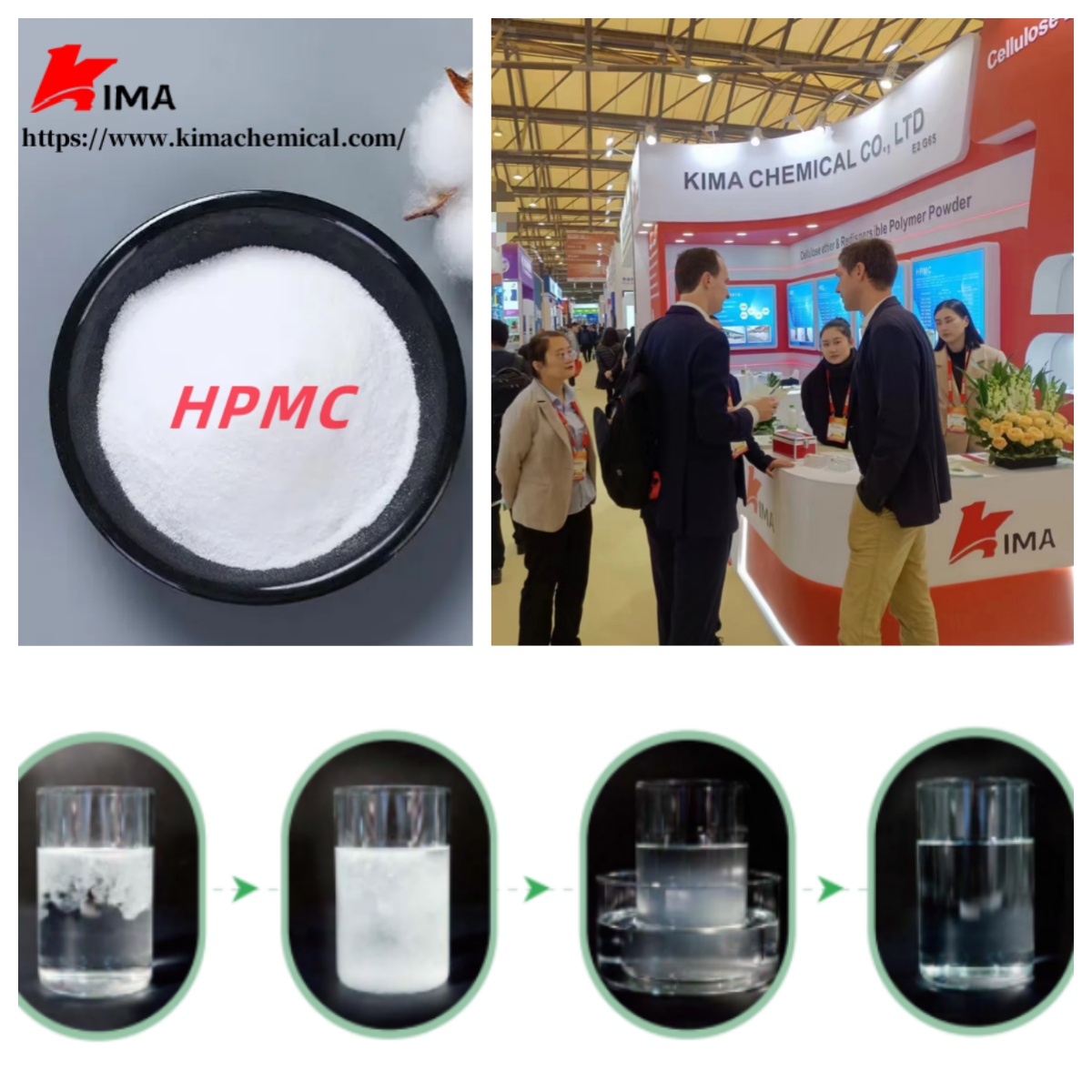
· Surface-Treated HPMC: Surface treatment significantly enhances the water retention properties of HPMC. In applications such as HPMC for mortar, tile adhesives, plasters, this feature is crucial to prevent the rapid evaporation of water, ensuring that the formulation remains workable for a longer time. Surface-treated HPMC is also more easily soluble in water, leading to quicker dissolution in water-based formulations.
· Non-Surface-Treated HPMC: While non-surface-treated HPMC still exhibits water retention, it does so at a lower capacity. It may also dissolve more slowly, particularly in formulations that require quick activation or high water absorption.
2.3 Adhesion and Binding Strength
· Surface-Treated HPMC: The surface treatment process enhances the adhesive properties of HPMC, making it ideal for use in construction materials like tile adhesives, plasters, and grouts. The improved adhesion properties help these materials bond more effectively with substrates.
· Non-Surface-Treated HPMC: Although it can still act as a binder and provide some adhesion, its performance is typically lower than surface-treated HPMC. Non-surface-treated HPMC is suitable for applications where bonding strength is not as critical, such as in simpler formulations like thickening agents for food products.
HPMC Applications in Industry
3.1 Pharmaceutical Industry
· Surface-Treated HPMC: In pharmaceutical formulations, surface-treated HPMC is often used in the production of controlled-release and extended-release tablets. The enhanced dispersibility and film-forming ability ensure uniform release of active ingredients over time. Additionally, surface treatment can help with the tablet coating process, providing better performance in terms of cohesion and water resistance.
· Non-Surface-Treated HPMC: Non-surface-treated HPMC is generally used in tablet binding, suspensions, and topical creams where the requirements for high dispersibility and controlled release are not as stringent.
3.2 Construction Industry
· Surface-Treated HPMC: The water retention and adhesion properties of surface-treated HPMC make it an indispensable additive in dry-mix mortars, tile adhesives, plasters, and joint compounds. Surface-treated HPMC helps these materials maintain workability, allowing the applicator more time to spread and manipulate the materials before they dry.
· Non-Surface-Treated HPMC: Non-surface-treated HPMC can be used in construction products where water retention and adhesion are not the primary concerns. It is typically used in formulations where cost-efficiency is more critical, and performance requirements are not as demanding.
3.3 Cosmetic Industry
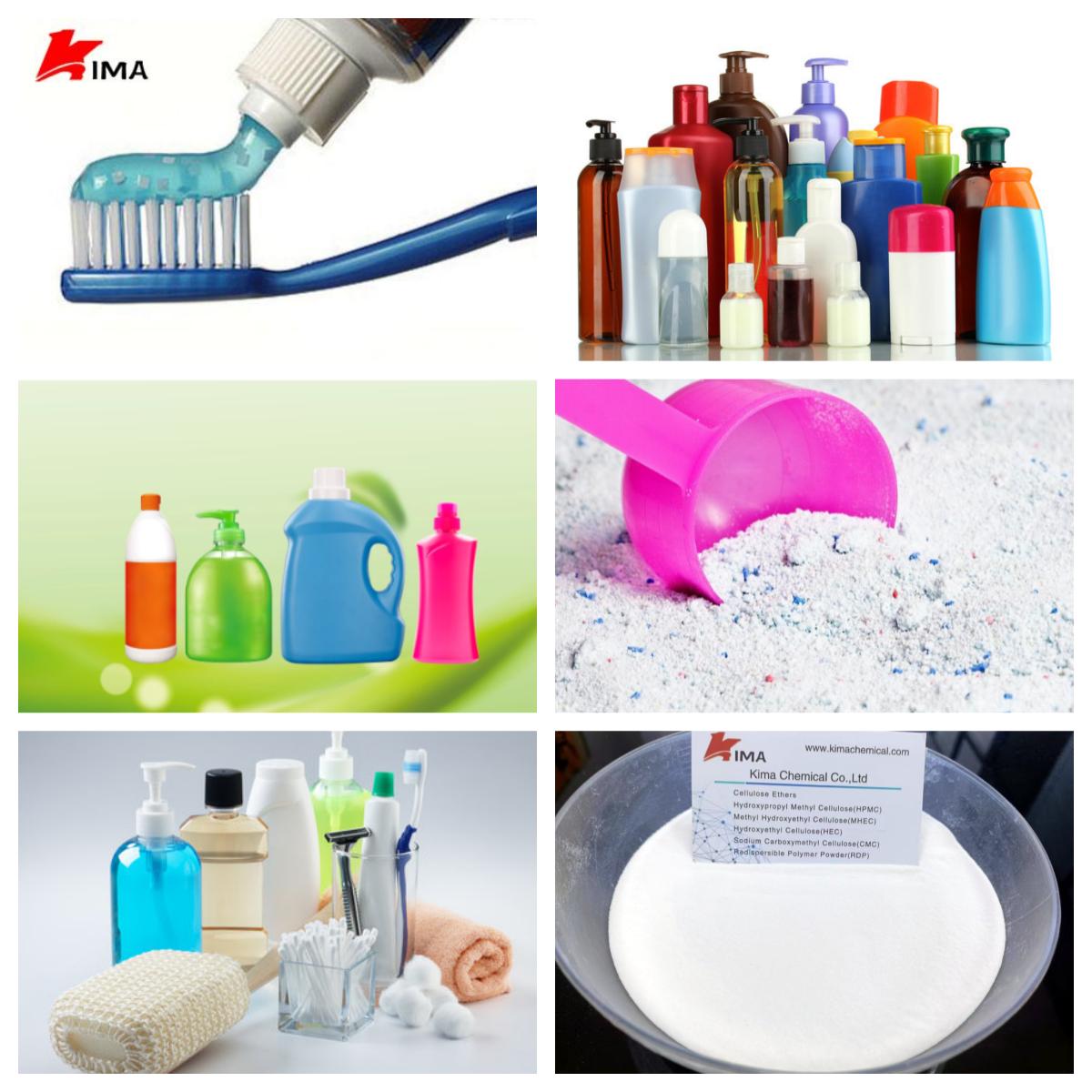
· Surface-Treated HPMC: In the cosmetics industry, surface-treated HPMC is preferred for products that require a smooth, uniform texture and superior skin feel, such as shampoos, conditioners, and lotions. Its improved viscosity and film-forming properties contribute to the smooth and non-greasy finish of these products.
· Non-Surface-Treated HPMC: While non-surface-treated HPMC can still be used in cosmetics as a thickener, its properties are not as refined. It is suitable for more basic formulations where texture and user experience are not as critical.
3.4 Food Industry
· Surface-Treated HPMC: In the food industry, surface-treated HPMC is used for emulsions, gels, and stabilizers due to its improved solubility and water retention properties. It helps maintain product consistency and texture in products like ice creams, salad dressings, and baked goods.
· Non-Surface-Treated HPMC: Non-surface-treated HPMC is often used in simpler food applications where the emphasis is on thickening and stabilization rather than fine control over texture and viscosity.
Cost Considerations
· Surface-Treated HPMC: Due to the additional chemical modification process, surface-treated HPMC is generally more expensive than non-surface-treated HPMC. However, the improved performance it provides often justifies the higher cost in applications requiring advanced properties like adhesion, dispersibility, and water retention.
· Non-Surface-Treated HPMC: Non-surface-treated HPMC tends to be more cost-effective, making it an attractive choice for large-scale applications where performance requirements are not as demanding.
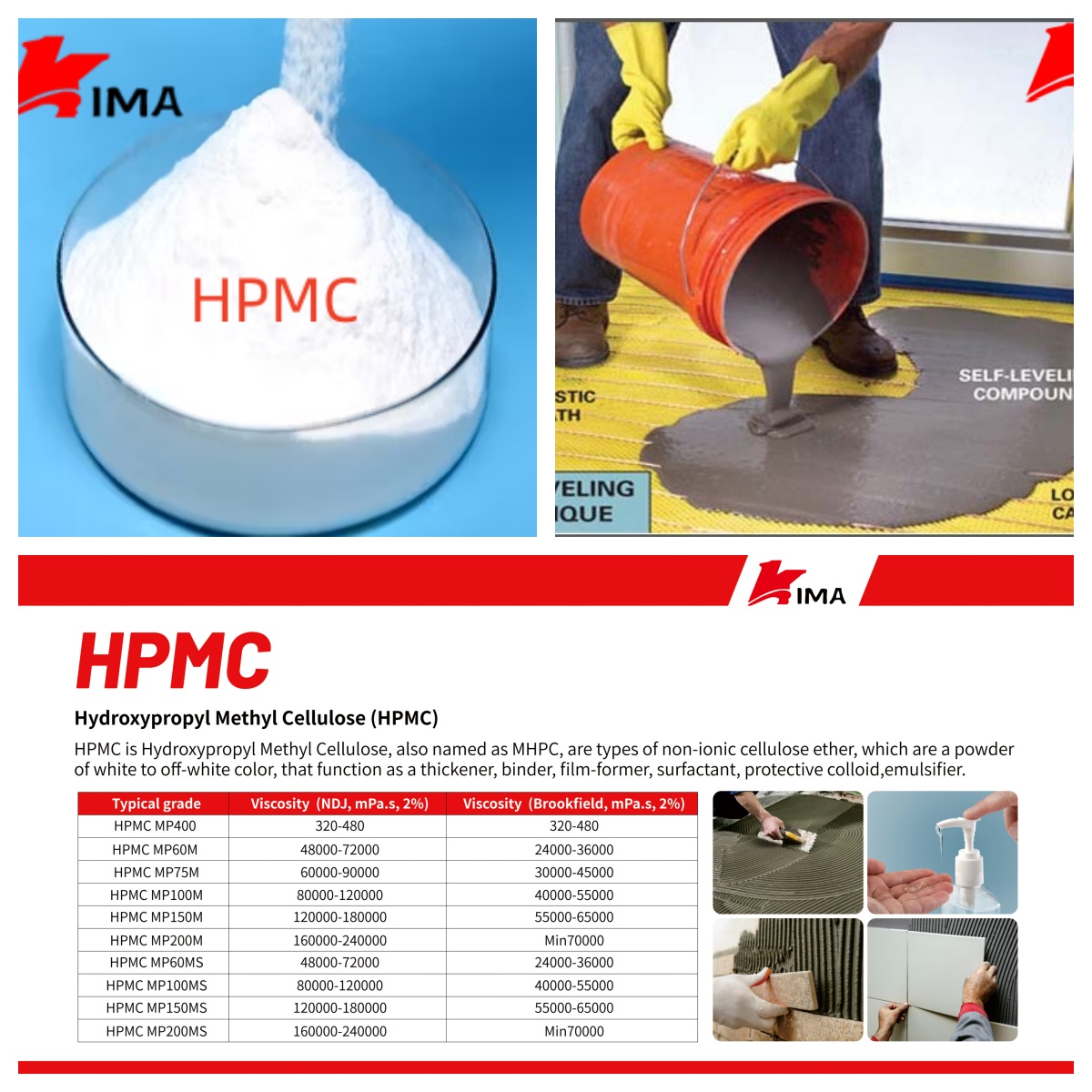
The decision to use surface-treated or non-surface-treated HPMC depends on the specific needs of the application, including factors like adhesion, water retention, dispersibility, cost, and performance requirements. Surface-treated HPMC is the preferred choice for high-performance applications in industries like construction, pharmaceuticals, and cosmetics, while non-surface-treated HPMC is suitable for more standard formulations or cost-sensitive products.
As technology advances, it is likely that we will see further innovations in surface treatment technologies that will expand the range of applications for both types of HPMC, offering even greater customization of its properties for various industrial needs.


 English
 日本語
日本語 français
 Deutsch
 Español
 العربية
 Türkçe
 italiano
 русский
 português
 Nederland