A Comprehensive Analysis for Modern Construction Materials
In the evolving field of construction chemicals, Hydroxypropyl Methyl Cellulose (HPMC) has become one of the most critical additives in cement-based systems such as tile adhesives, plastering mortars, and wall putties. Among its many functions—water retention, thickening, and workability enhancement—the impact of HPMC dosage on bonding strength is particularly significant.
Understanding the relationship between dosage and bonding performance is essential for formulators aiming to optimize product quality while controlling costs. Industry leaders such as Dow Chemical Company, Ashland Global Holdings Inc., and Shin-Etsu Chemical Co., Ltd. have conducted extensive research in this area, leading to the development of highly optimized cellulose ether products.
This article provides a detailed, news-style analysis of the influence pattern of HPMC dosage on bonding strength, including mechanisms, performance trends, experimental insights, and practical recommendations.
Understanding the Role of HPMC in Bonding Systems
HPMC hydroxypropyl methyl cellulose is a non-ionic cellulose ether derived from natural cellulose. When added to cement-based materials, it performs multiple functions that directly or indirectly affect bonding strength.
1.1 Water Retention Mechanism
One of the most important contributions of HPMC is its ability to retain water within the mortar system. This ensures:
Adequate hydration of cement particles
Improved formation of hydration products
Enhanced microstructure development
Proper hydration is essential for achieving strong bonding between the mortar and substrate.
1.2 Rheology and Workability
HPMC modifies the rheology of the mixture, providing:
This ensures that the mortar can fully wet the surface, which is critical for adhesion.
1.3 Film Formation and Cohesion
Although HPMC is not a polymer like RDP, it contributes to internal cohesion by forming a network that stabilizes the mixture and reduces segregation.
Dosage Levels and Their General Influence
The effect of HPMC on bonding strength is not linear. Instead, it follows a typical pattern:
Low dosage → insufficient performance
Optimal dosage → maximum bonding strength
Excessive dosage → performance decline
This creates a bell-shaped or peak curve relationship between dosage and bonding strength.
Low Dosage: Insufficient Performance
When HPMC dosage is too low:
Water retention is inadequate
Rapid moisture loss occurs
Cement hydration is incomplete
Consequences:
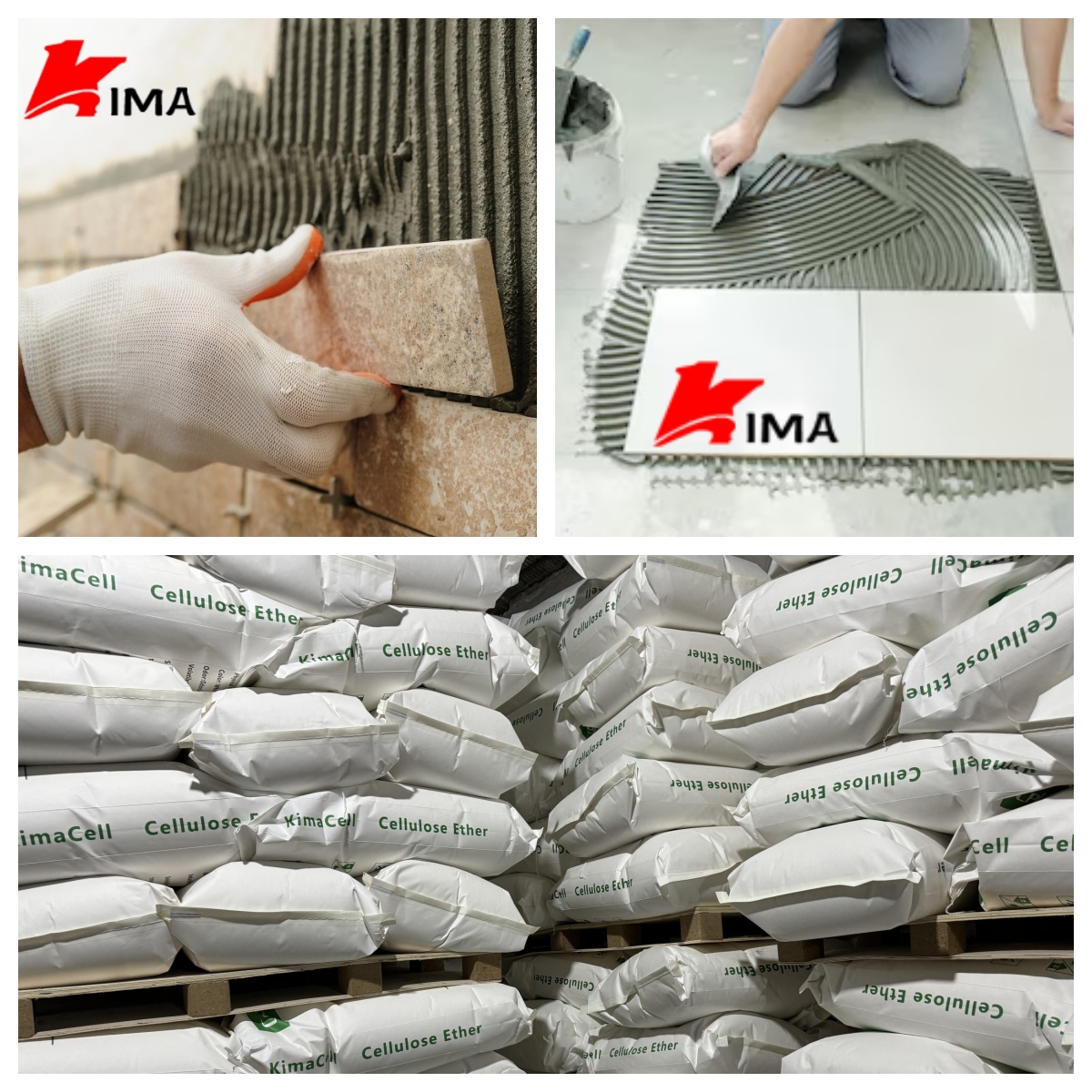
In tile adhesives, this can lead to tile detachment and failure.
Optimal Dosage: Maximum Bonding Strength
At the optimal dosage:
This results in:
Strong adhesion
Dense microstructure
Improved durability
The exact optimal dosage depends on:
Cement type
Aggregate composition
Environmental conditions
Typically, HPMC dosage ranges from 0.2% to 0.6% by weight of dry mix.
Excessive Dosage: Negative Effects
Adding too much HPMC can be counterproductive.
5.1 Reduced Mechanical Strength
Excessive HPMC increases air entrainment and reduces density, leading to:
5.2 Delayed Hydration
Too much water retention can slow down cement hydration, weakening the bonding interface.
5.3 Over-Thickening
High viscosity can:
Interaction with Other Additives
HPMC does not act alone. Its effect on bonding strength is influenced by interactions with other components.
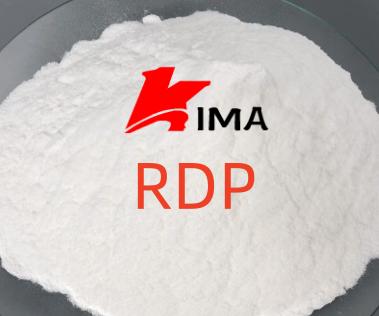
6.1 Redispersible Polymer Powder (RDP)
Redispersible Polymer Powder enhances flexibility and adhesion, complementing HPMC’s water retention.
6.2 Superplasticizers
These improve flowability and can offset excessive viscosity caused by high HPMC dosage.
6.3 Fillers and Aggregates
Particle size and distribution affect how HPMC interacts within the system.
Environmental Factors
External conditions also influence the effectiveness of HPMC dosage.
High temperature → faster water evaporation → higher dosage needed
Low temperature → slower hydration → careful dosage control
Wind and humidity → affect drying rate
Experimental Observations and Industry Data
Studies show that bonding strength increases with HPMC dosage up to a certain point, after which it declines.
Typical trend:
This confirms the importance of precise dosage control.
Practical Recommendations
To optimize bonding strength:
Conduct formulation testing
Adjust dosage based on application
Balance with other additives
Monitor environmental conditions
Manufacturers such as Ashland Global Holdings Inc. provide technical support for formulation optimization.
Future Trends and Innovations
The industry is moving toward:


 English
 日本語
日本語 français
 Deutsch
 Español
 العربية
 Türkçe
 italiano
 русский
 português
 Nederland