Introduction
Cellulose ethers are among the most important additives used in modern construction materials, coatings, pharmaceuticals, and industrial formulations. Among the many cellulose ether products available today, Hydroxypropyl Methyl Cellulose (HPMC) and Hydroxyethyl Methyl Cellulose (HEMC) are the two most widely used in dry-mix mortars, tile adhesives, wall putty, gypsum products, and water-based coatings.
Although HPMC and HEMC share many similarities, they differ in chemical structure, performance characteristics, water retention behavior, workability, temperature stability, and application suitability. Understanding these differences is essential for manufacturers, formulators, and construction professionals seeking optimal product performance.
This article explores the key differences between HPMC and HEMC, their properties, advantages, and application areas.
Understanding HPMC
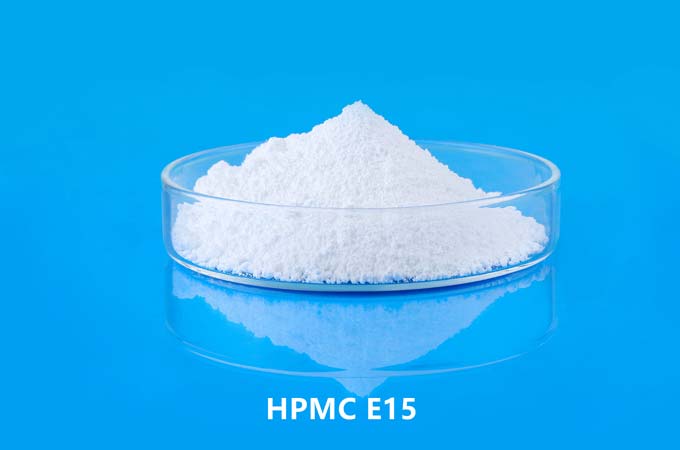
Hydroxypropyl Methyl Cellulose is a non-ionic cellulose ether produced through the etherification of purified cellulose.
The cellulose backbone is modified with:
These substitutions provide HPMC with:
HPMC is widely used in:
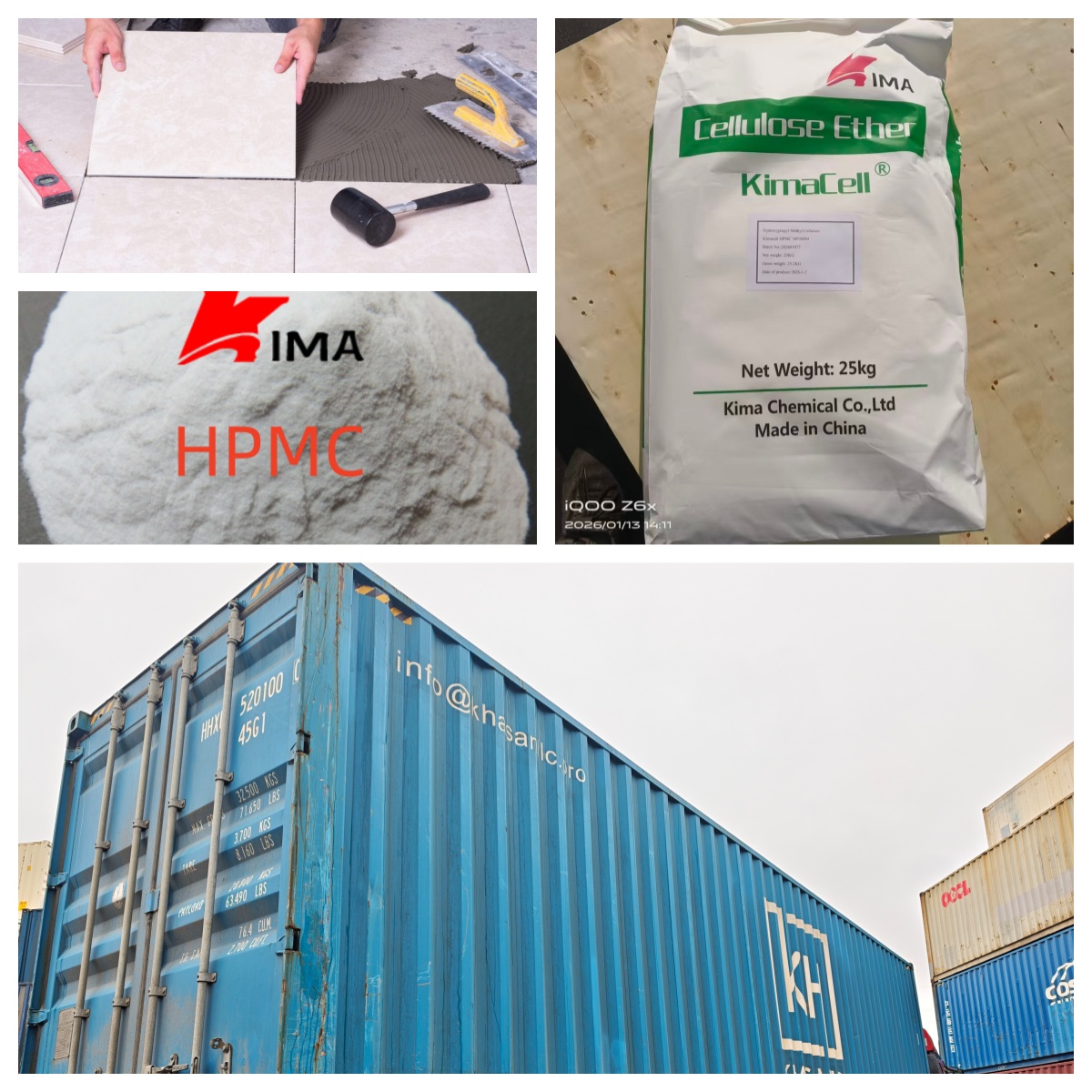
Tile adhesives
Wall putty
Self-leveling compounds
Pharmaceuticals
Food products
Personal care products
Understanding HEMC
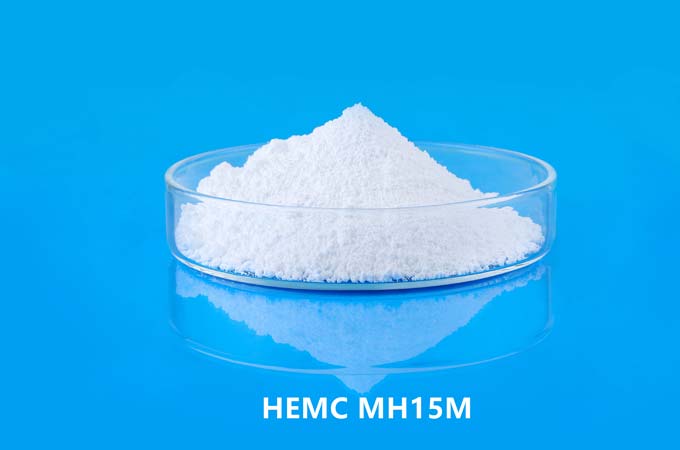
Hydroxyethyl Methyl Cellulose is another non-ionic cellulose ether.
The cellulose structure contains:
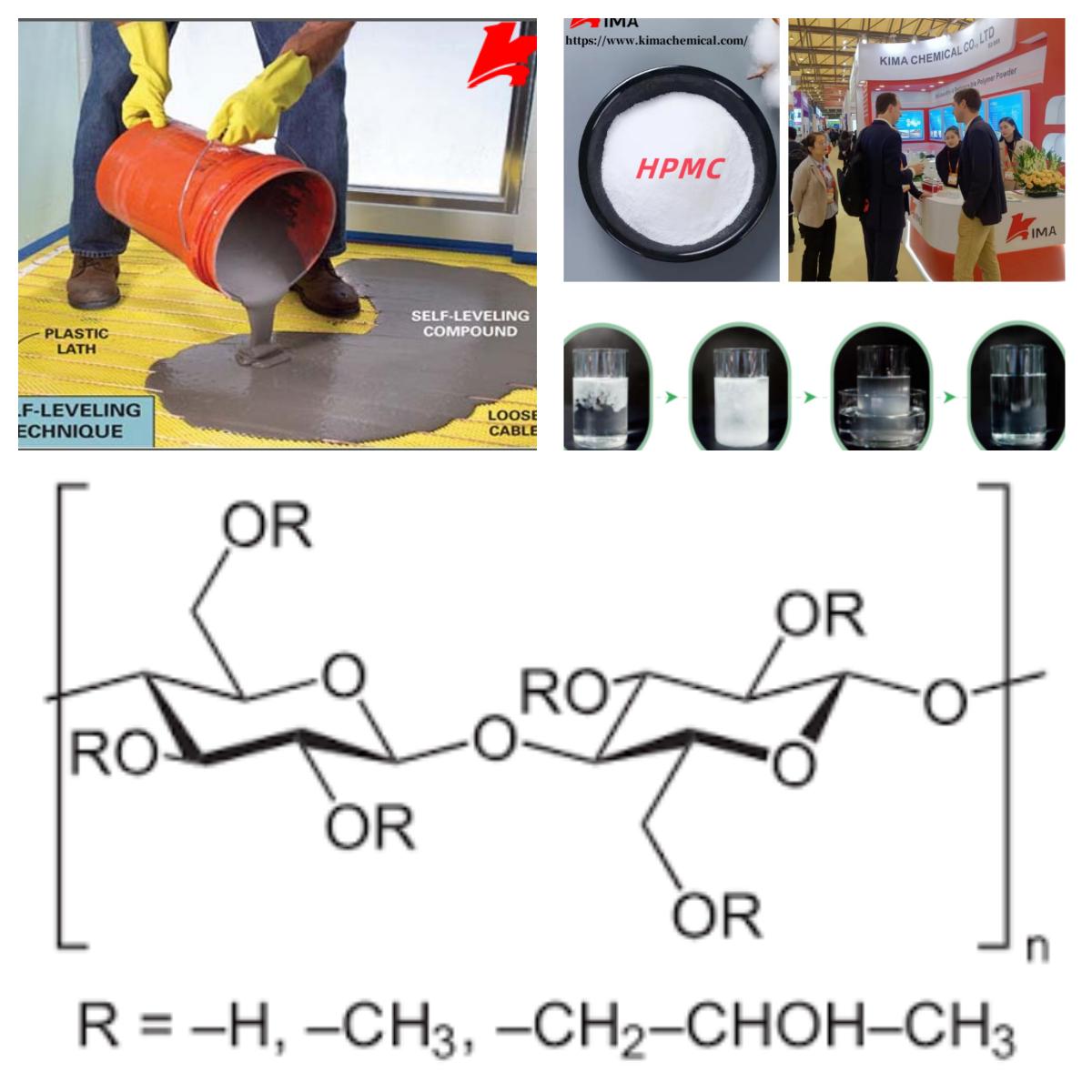
This different substitution pattern results in unique performance characteristics.
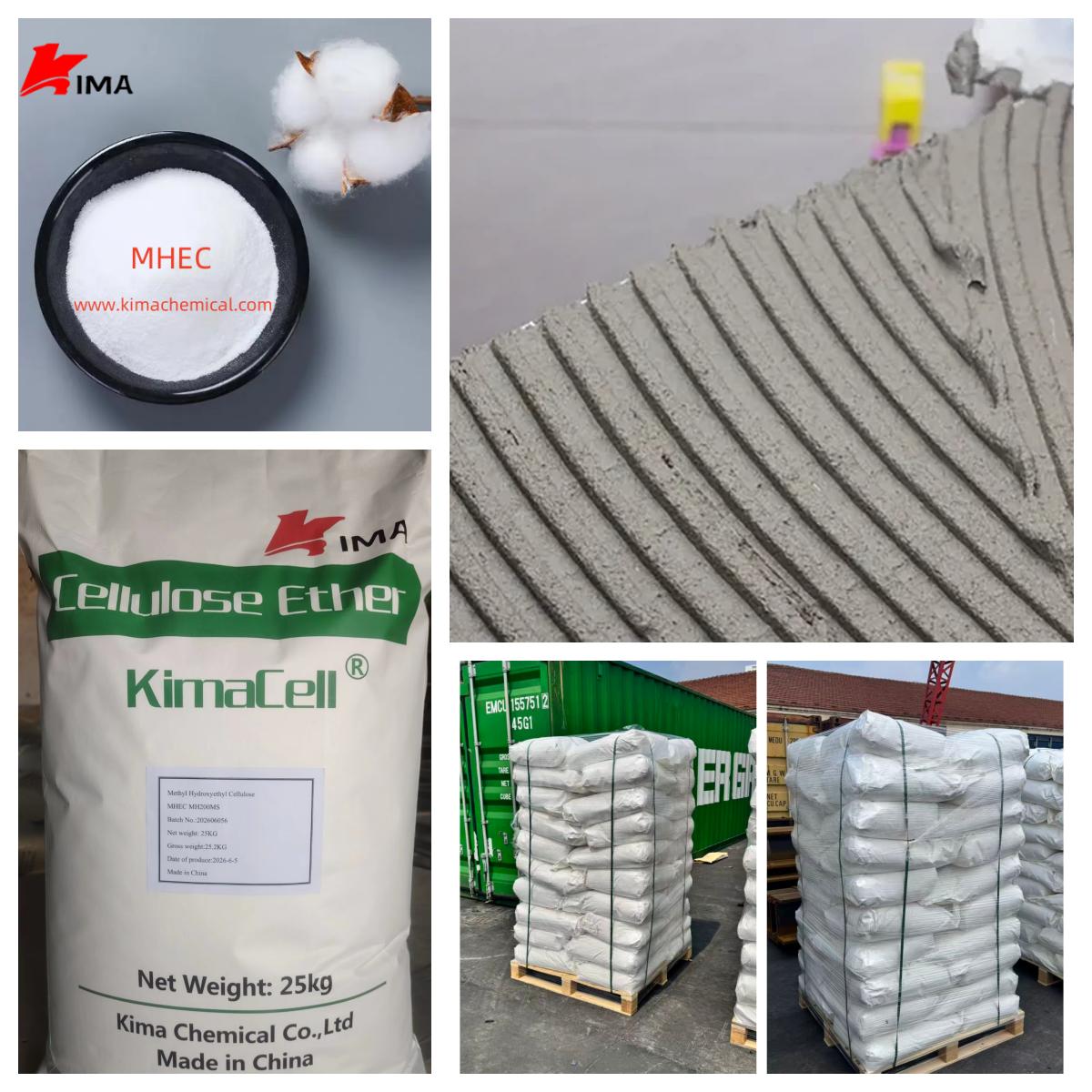
HEMC is commonly used in:
Tile adhesives
Cement mortars
EIFS systems
Gypsum plasters
Construction materials
Water-based coatings
Chemical Structure Differences
The primary difference between HPMC and HEMC lies in the substituent groups attached to the cellulose chain.
HPMC Contains
Methoxy groups
Hydroxypropyl groups
HEMC Contains
Methoxy groups
Hydroxyethyl groups
Although this difference appears small, it significantly influences performance.
The hydroxyethyl group generally provides:
while hydroxypropyl groups contribute to:
Water Retention Comparison
Water retention is one of the most important properties in construction applications.
HPMC Water Retention
HPMC exhibits excellent water retention and helps:
Reduce water loss
Improve cement hydration
Enhance adhesion
HEMC Water Retention
HEMC often provides even higher water-retention efficiency in cement-based systems.
Benefits include:
For many tile adhesive formulations, HEMC is preferred when maximum water retention is required.
Workability and Application Performance
Both cellulose ethers improve mortar workability.
HPMC
Provides:
Smooth application
Good consistency
Easy troweling
HEMC
Often delivers:
Creamier texture
Better spreadability
Improved handling
Many contractors describe HEMC-modified mortars as having a smoother application feel.
Open Time Performance
Open time refers to the period during which tile adhesive remains effective after application.
Provides good open time extension.
HEMC
Often offers slightly longer open time due to improved water retention.
This advantage is particularly valuable when installing:
Large-format tiles
Porcelain tiles
Exterior tile systems
Anti-Sag Properties
Tile adhesives used on vertical surfaces require strong anti-sag performance.
Both HPMC and HEMC contribute to:
Increased viscosity
Improved slip resistance
However, HEMC frequently demonstrates superior anti-sag behavior in premium formulations.
Benefits include:
Better tile positioning
Reduced slippage
Easier installation
Thermal Stability Differences
Temperature can significantly affect cellulose ether performance.
HPMC
Has a characteristic thermal gelation temperature.
At elevated temperatures, viscosity behavior may change more noticeably.
HEMC
Typically exhibits:
This makes HEMC attractive for applications in regions with high ambient temperatures.
Solubility Characteristics
Both HPMC and HEMC dissolve in water.
HPMC
May require specific dispersion techniques depending on grade.
HEMC
Generally provides:
Manufacturers often select HEMC when rapid hydration is important.
Adhesion Performance
Adhesion is critical in tile adhesives and mortars.
Both products contribute indirectly by:
Improving water retention
Supporting cement hydration
Enhancing substrate contact
HEMC often provides a slight advantage in cement-based tile adhesive systems due to its stronger moisture management capabilities.
Rheology Control
Rheology determines how materials flow during application.
HPMC
Provides balanced rheology suitable for many formulations.
HEMC
Often produces:
This makes HEMC highly attractive for premium construction products.
Application in Tile Adhesives
Both HPMC and HEMC are widely used in tile adhesives.
HPMC Advantages
Cost-effective
Proven performance
Broad availability
HEMC Advantages
Better water retention
Longer open time
Enhanced workability
Premium tile adhesive manufacturers frequently prefer HEMC for high-performance formulations.
Application in Wall Putty
Wall putty requires:
Smooth application
Crack resistance
Good water retention
Both products perform effectively.
Selection often depends on:
Desired texture
Local climate
Cost considerations
Application in Gypsum Products
Gypsum plasters and joint compounds benefit from:
Water retention
Workability
Sag resistance
HEMC is frequently favored because of its excellent moisture management properties.
Application in Paints and Coatings
In water-based coatings, both products serve as:
Thickeners
Rheology modifiers
Stabilizers
HPMC often demonstrates stronger film-forming behavior, while HEMC excels in viscosity control and application properties.
Cost Considerations
Pricing varies depending on:
Raw materials
Production technology
Market demand
Generally:
The final choice often balances performance requirements against formulation cost.
Environmental Benefits
Both HPMC and HEMC are derived from renewable cellulose resources.
Environmental advantages include:
These characteristics align with modern environmental goals.
Future Industry Trends
As construction standards continue to rise, demand for advanced cellulose ethers is increasing.
Future developments may focus on:
Higher water-retention grades
Improved temperature stability
Faster dissolution technologies
Customized rheology solutions
Both HPMC and HEMC will continue playing important roles in next-generation construction materials.
Although HPMC and HEMC share many similarities, important differences exist in water retention, workability, open time, temperature stability, and rheology performance. HPMC remains a versatile and cost-effective solution across numerous industries, while HEMC is often preferred in premium construction formulations where superior water retention and application properties are required.
Selecting between HPMC and HEMC ultimately depends on the specific performance requirements, climate conditions, formulation objectives, and cost targets of the application. Understanding their differences enables manufacturers to optimize product performance and achieve better construction outcomes.


 English
 日本語
日本語 français
 Deutsch
 Español
 العربية
 Türkçe
 italiano
 русский
 português
 Nederland