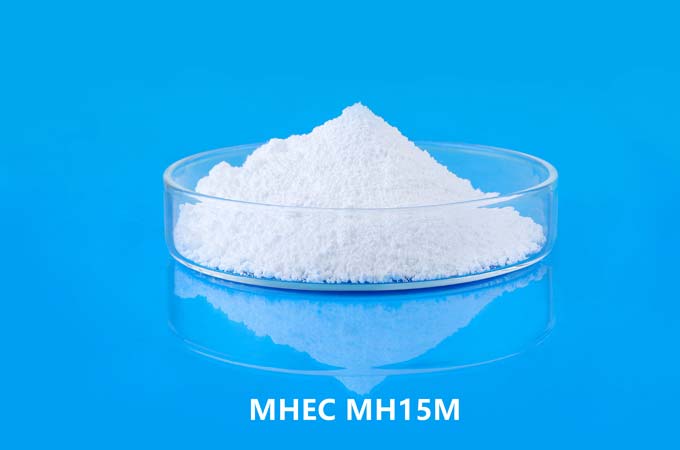
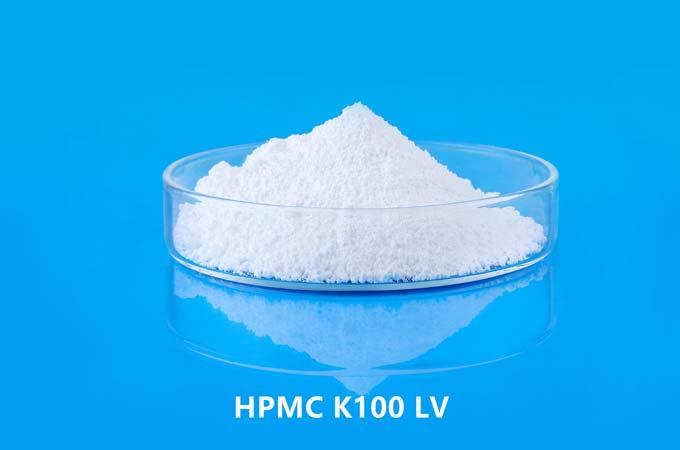
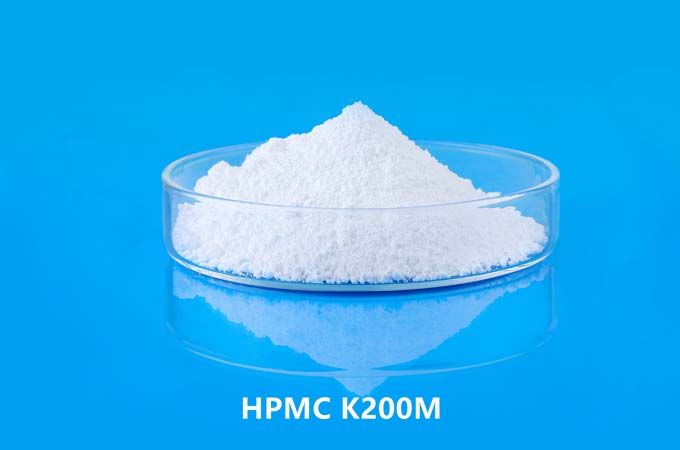
Introduction
The global ceramic industry is experiencing rapid technological advancement as manufacturers seek higher productivity, improved product quality, and more sustainable production methods. From ceramic tiles and sanitary ware to advanced technical ceramics used in electronics, automotive systems, and industrial filtration, modern ceramic production demands precise control over every stage of processing.
One of the most important additives supporting this evolution is Hydroxypropyl Methylcellulose (HPMC). Although used in relatively small quantities, HPMC plays a critical role in improving ceramic processing performance by enhancing water retention, rheology, green strength, workability, and shaping efficiency.
As a multifunctional cellulose ether derived from natural cellulose, HPMC has become indispensable in many ceramic manufacturing processes. It helps reduce production defects, improve product consistency, and increase overall manufacturing efficiency.
This article examines the growing importance of HPMC in ceramic processing, its functional mechanisms, major applications, benefits, and future industry trends.
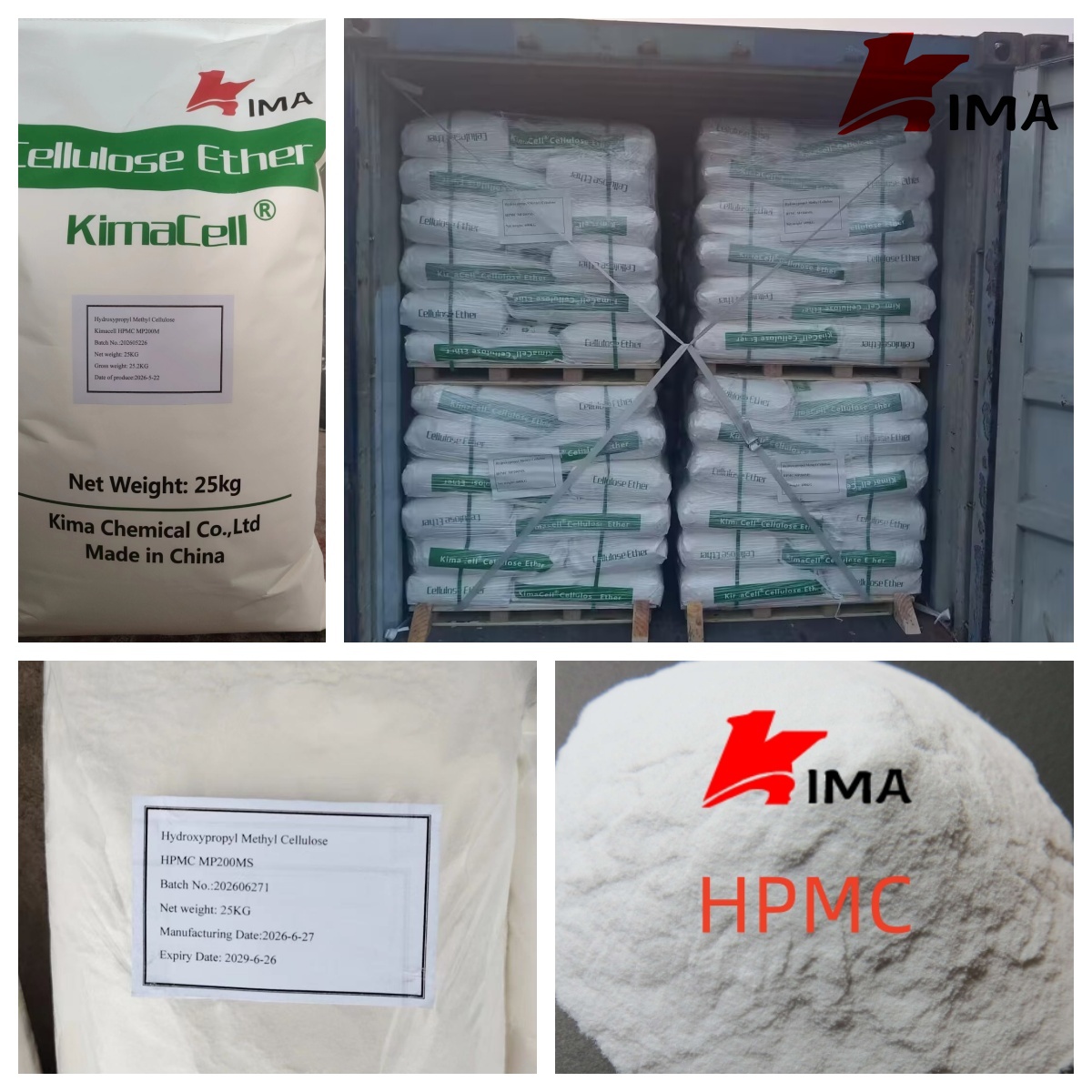
Understanding HPMC
Hydroxypropyl Methylcellulose is a non-ionic cellulose ether produced through chemical modification of purified cellulose derived from renewable plant sources such as cotton linters and wood pulp.
The manufacturing process introduces:
Methoxy groups
Hydroxypropyl groups
into the cellulose backbone.
These modifications transform naturally insoluble cellulose into a highly functional polymer capable of dissolving in water and providing multiple performance benefits.
Key characteristics include:
Excellent water retention
Thickening capability
Rheology control
Film-forming ability
Binding performance
Thermal gelation properties
Environmental friendliness
Because of these properties, HPMC is widely used in construction materials, pharmaceuticals, food products, coatings, and ceramics.
Why Ceramic Manufacturers Use Additives
Ceramic production involves a series of highly controlled steps including:
Raw material preparation
Mixing
Shaping
Drying
Firing
Surface finishing
Each stage presents potential challenges.
Common ceramic manufacturing problems include:
Performance additives such as HPMC help address these issues by modifying material behavior during processing.
The Importance of Water Management in Ceramic Production
Water plays a central role in ceramic processing.
It contributes to:
Plasticity
Shape formation
Extrusion performance
Particle distribution
However, improper water control can create significant production problems.
Excessive water loss may cause:
Cracks
Warping
Surface defects
Structural weakness
HPMC helps regulate water movement within ceramic formulations, ensuring more uniform moisture distribution throughout the manufacturing process.
Water Retention Mechanism of HPMC
One of HPMC's most important functions is water retention.
After dissolving in water, HPMC forms a three-dimensional molecular network that traps water molecules.
This mechanism:
As a result, ceramic bodies remain workable for longer periods and exhibit reduced defect formation.
For manufacturers, improved water retention translates directly into higher production efficiency and product quality.
HPMC as a Binder in Ceramic Formulations
In many ceramic applications, HPMC acts as an effective temporary binder.
During shaping and handling, ceramic particles require cohesion to maintain structural integrity before firing.
HPMC provides:
This is particularly important for complex ceramic structures that must survive transportation and handling before reaching the kiln.
Green Strength Enhancement
Green strength refers to the mechanical strength of ceramic products before firing.
Weak green bodies are vulnerable to:
Cracking
Chipping
Distortion
Breakage
HPMC significantly improves green strength by creating a polymeric network that reinforces the ceramic matrix.
Benefits include:
Strong green bodies are especially important in large-format ceramic tiles and advanced technical ceramics.
HPMC in Ceramic Extrusion
Extrusion is one of the most common ceramic shaping techniques.
Products manufactured through extrusion include:
Successful extrusion requires careful control of:
Plasticity
Lubrication
Moisture content
Green strength
HPMC contributes by:
Manufacturers can achieve smoother extrusion processes with fewer defects and interruptions.
Improving Plasticity and Workability
Plasticity determines how easily ceramic materials can be shaped.
Insufficient plasticity can lead to:
Surface cracking
Difficult processing
Poor dimensional control
HPMC improves plasticity by retaining moisture and modifying rheology.
This enables:
As production speeds increase, maintaining adequate workability becomes increasingly important.
HPMC in Ceramic Tile Production
The ceramic tile industry represents one of the largest users of processing additives.
Modern ceramic tiles require:
HPMC helps achieve these goals by improving:
Powder cohesion
Pressing performance
Green strength
Moisture retention
The additive is particularly beneficial in large-format porcelain tile production where processing demands are significantly higher.
Application in Honeycomb Ceramics
Honeycomb ceramics are widely used in:
Automotive catalytic converters
Diesel particulate filters
Industrial filtration systems
These products contain highly complex structures with thin walls and intricate channels.
Manufacturing such products requires exceptional process control.
HPMC provides:
These benefits contribute directly to product quality and manufacturing efficiency.
HPMC in Ceramic Glaze Formulations
Glazes play a crucial role in ceramic appearance and performance.
They provide:
Decorative effects
Surface protection
Chemical resistance
Wear resistance
HPMC functions as a rheology modifier in glaze systems.
Benefits include:
Improved suspension stability
Better application consistency
Reduced sedimentation
Enhanced coating uniformity
Manufacturers can achieve smoother and more attractive finished surfaces.
Rheology Control in Ceramic Slurries
Many ceramic manufacturing processes utilize slurries.
Examples include:
Rheology control is essential for maintaining process consistency.
HPMC helps regulate:
Viscosity
Flow behavior
Particle suspension
Stability
Proper rheology ensures uniform distribution of ceramic particles throughout the formulation.
Role in Slip Casting
Slip casting remains a widely used technique for producing complex ceramic shapes.
Success depends on maintaining stable suspensions and controlled flow properties.
HPMC contributes by:
Preventing particle settlement
Improving viscosity control
Enhancing casting consistency
This results in more uniform ceramic bodies and improved production quality.
Drying Performance Improvement
Drying is often considered one of the most critical stages in ceramic production.
Improper drying can cause:
Cracking
Warping
Uneven shrinkage
Internal stresses
HPMC helps regulate moisture migration during drying.
Benefits include:
This significantly reduces production losses.
Clean Burnout During Firing
Temporary additives must be removed during firing without contaminating the ceramic product.
HPMC offers excellent burnout characteristics.
During firing:
This makes HPMC suitable for high-purity ceramic applications.
HPMC in Advanced Technical Ceramics
Advanced ceramics are increasingly used in:
Electronics
Aerospace
Medical devices
Energy systems
These applications demand exceptional precision.
HPMC assists manufacturers by providing:
Precise rheology control
Uniform particle dispersion
Reliable shaping performance
Improved green body integrity
Its contribution is essential for maintaining the strict quality standards required in technical ceramics.
Economic Benefits of HPMC
Although used at relatively low dosage levels, HPMC can generate significant economic value.
Benefits include:
Manufacturers often find that the cost of HPMC is outweighed by improvements in overall production performance.
Environmental Advantages
Sustainability has become a major focus within the ceramic industry.
HPMC supports environmental goals because it is:
As environmental regulations become stricter, renewable additives such as HPMC are expected to gain further importance.
Selecting the Appropriate HPMC Grade
Different ceramic processes require different HPMC characteristics.
Selection criteria include:
Manufacturers typically conduct formulation trials to determine the optimal grade for specific production requirements.
Future Trends in Ceramic Processing
The ceramic industry continues to evolve toward:
These trends increase the demand for high-performance additives.
Future HPMC developments are expected to focus on:
Enhanced water-retention efficiency
Faster dissolution
Improved rheology control
Customized grades for specialized applications
Innovation in cellulose ether technology will continue supporting advancements in ceramic manufacturing.
Hydroxypropyl Methylcellulose has become one of the most valuable additives in modern ceramic processing. Its unique ability to improve water retention, rheology, green strength, extrusion performance, drying behavior, and product consistency makes it indispensable across a wide range of ceramic applications.
From ceramic tiles and sanitary ware to honeycomb structures and advanced technical ceramics, HPMC enables manufacturers to achieve higher quality standards while improving production efficiency and reducing waste. As the global ceramic industry continues to advance, HPMC will remain a key technology supporting innovation, sustainability, and manufacturing excellence.


 English
 日本語
日本語 français
 Deutsch
 Español
 العربية
 Türkçe
 italiano
 русский
 português
 Nederland