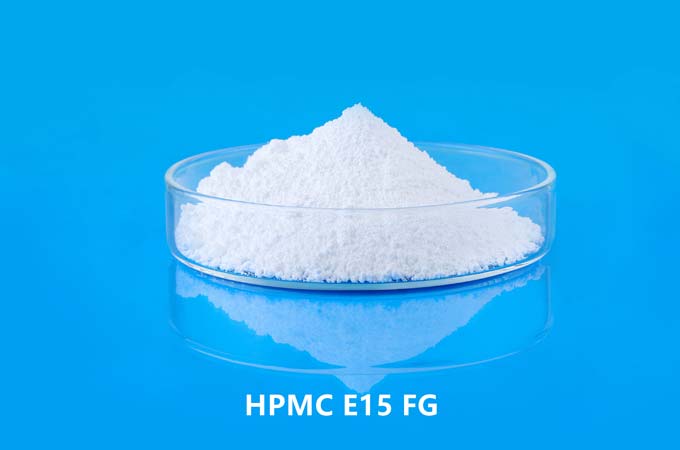
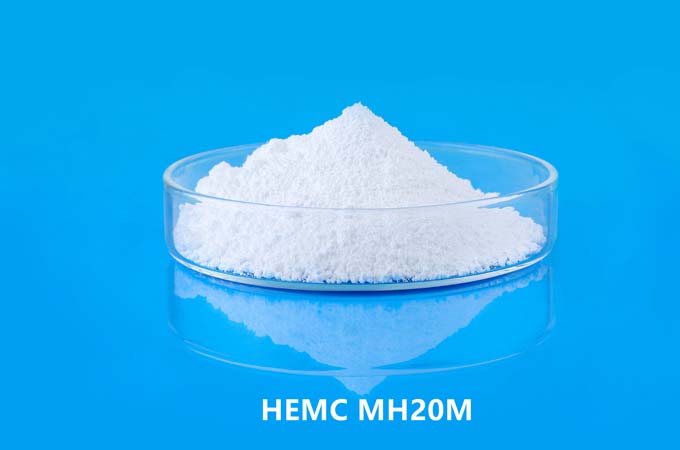
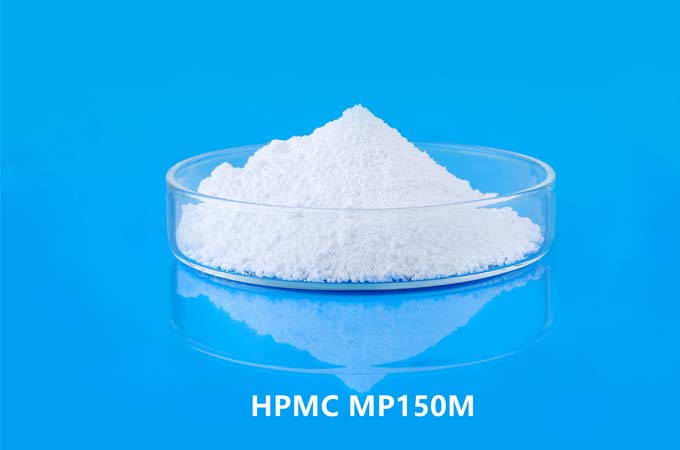
Hydroxypropyl Methylcellulose (HPMC) is a versatile cellulose ether widely used in industries such as construction, pharmaceuticals, food, coatings, and personal care. Its unique functional properties—including water retention, thickening, rheology modification, film formation, and adhesion enhancement—make it an indispensable ingredient in modern formulations.
Understanding what HPMC is made of and how its ingredients affect performance is essential for manufacturers, formulators, and construction professionals. This article provides an in-depth exploration of HPMC’s ingredients, chemical structure, synthesis process, types, properties, and applications.
Hydroxypropyl Methylcellulose is a chemically modified cellulose derivative. Natural cellulose, derived primarily from wood pulp or cotton linters, is insoluble in water. By introducing methyl and hydroxypropyl groups through etherification, cellulose is transformed into a water-soluble, functional polymer.
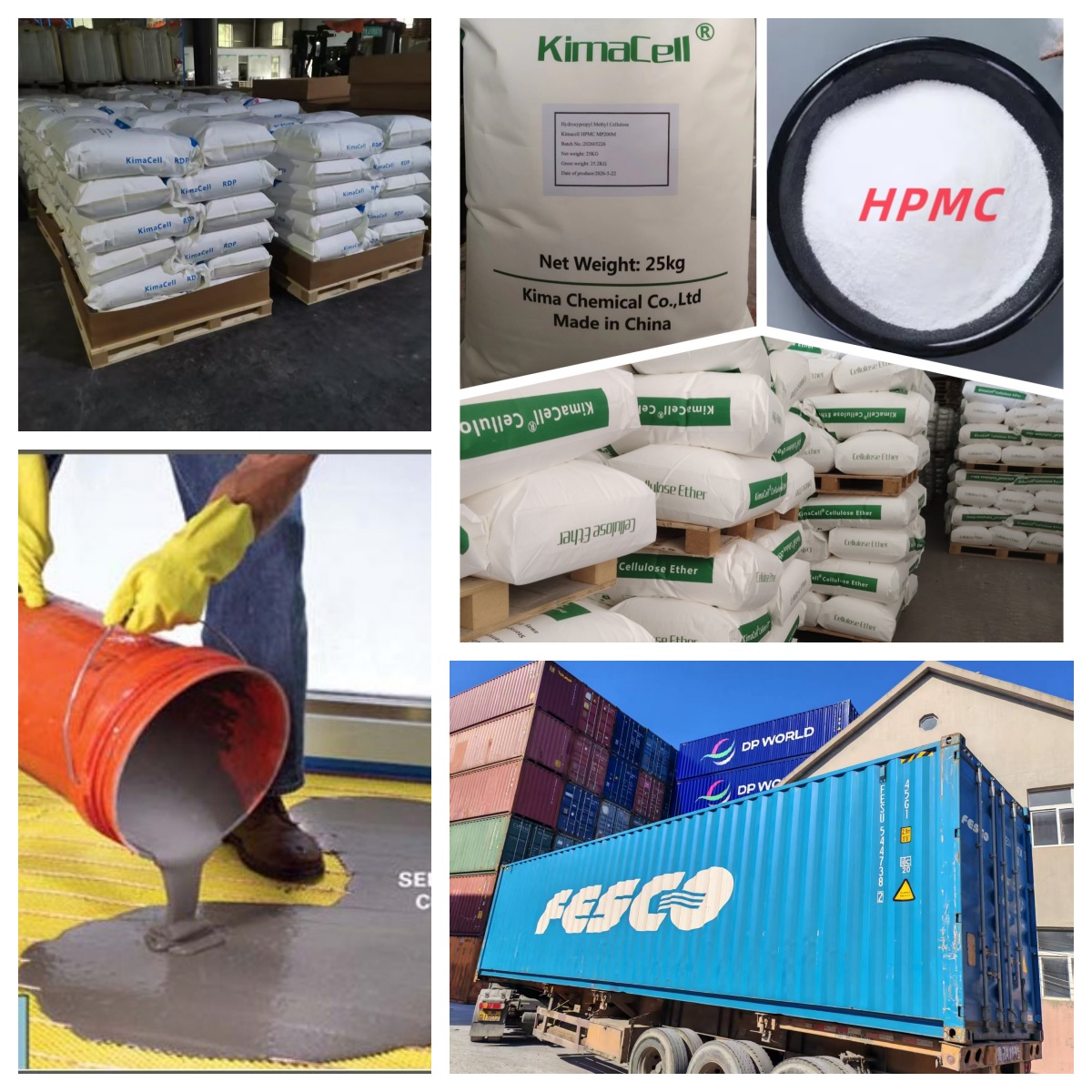
Key Characteristics of HPMC:
Water-soluble at room temperature
Forms viscous solutions in water
Excellent film-forming ability
Stable across a range of pH values
Non-toxic and biodegradable
Primary Ingredients of HPMC
HPMC is composed of several key raw materials and chemical reagents:
1. Cellulose (Base Polymer)
Source: Derived from wood pulp, cotton linters, or other plant fibers.
Role: Provides the polymer backbone for chemical modification.
Properties: Natural cellulose contains hydroxyl (-OH) groups essential for etherification reactions.
2. Methyl Chloride (or Dimethyl Sulfate) – Methylating Agent
Purpose: Introduces methyl (-CH₃) groups into the cellulose structure.
Effect: Enhances water solubility, reduces gelling temperature, and improves film formation.
3. Propylene Oxide – Hydroxypropylating Agent
Purpose: Introduces hydroxypropyl (-CH₂CHOHCH₃) groups.
Effect: Improves water retention, stabilizes viscosity, and enhances compatibility with other ingredients in formulations.
4. Alkali (Typically Sodium Hydroxide)
Purpose: Activates cellulose hydroxyl groups for etherification.
Effect: Facilitates the reaction with methyl and hydroxypropyl groups, ensuring efficient substitution.
5. Water (Reaction Medium)
6. Optional Additives
Some HPMC products may include:
Anti-caking agents – Prevent clumping during storage.
Stabilizers – Maintain viscosity and chemical stability.
Fillers – Adjust bulk density or improve processability.
HPMC Chemical Structure
HPMC is a cellulose ether, where some of the hydroxyl groups on the anhydroglucose units of cellulose are substituted with methyl and hydroxypropyl groups.
Degree of Substitution (DS): Number of hydroxyl groups replaced per glucose unit.
Methoxy Content: Percentage of methyl groups; influences solubility and gelling.
Hydroxypropyl Content: Percentage of hydroxypropyl groups; affects viscosity, film-forming, and water retention.
This balance between methyl and hydroxypropyl groups allows HPMC to be customized for different applications.
Manufacturing Process of HPMC
1. Cellulose Preparation: Purified cellulose is dried and activated with alkali.
2. Etherification Reaction: Cellulose reacts with methyl chloride and propylene oxide under controlled temperature and pH.
3. Neutralization: Remaining alkali is neutralized to prevent degradation.
4. Purification: Excess reagents and by-products are removed.
5. Drying: The product is spray-dried or drum-dried to form a fine powder.
6. Milling and Sieving: Achieves uniform particle size suitable for industrial applications.
Grades of HPMC Based on Ingredients and Viscosity
HPMC can be tailored by adjusting the proportions of methyl and hydroxypropyl groups:
Low Viscosity HPMC: Easier dissolution, used in tile adhesives and thin coatings.
Medium Viscosity HPMC: Common in wall putty, cement-based mortars, and construction slurries.
High Viscosity HPMC: Suitable for thick mortars, self-levelers, and paints requiring high water retention.
The chemical composition directly affects performance, including water retention, film formation, and adhesion.
Applications of HPMC in Various Industries
1. Construction Industry
Tile adhesives: Improves water retention and open time.
Wall putty and skim coat: Enhances leveling, prevents cracking.
Self-levelers: Maintains flow and uniform curing.
Cement mortars: Controls workability and water evaporation.
2. Pharmaceutical Industry
3. Food Industry
Thickening agent in sauces, dressings, and dairy products.
Stabilizer for emulsions and beverages.
Fat replacer in low-calorie products.
4. Paints and Coatings
Water-based paints: Provides viscosity control, suspension of pigments, and film formation.
Adhesives and sealants: Enhances adhesion and flexibility.
5. Personal Care
Shampoos, creams, and lotions: Improves texture, consistency, and smooth application.
Advantages of HPMC Based on Its Ingredients
Customizable Viscosity: Adjusted by methyl and hydroxypropyl content.
Enhanced Water Retention: Hydroxypropyl groups bind water effectively.
Film-Forming Ability: Methyl groups improve flexibility and surface coverage.
Non-Toxic and Biodegradable: Safe for food and pharmaceutical applications.
Rheology Modifier: Ensures smooth flow and workability in construction and paint systems.
Factors Affecting HPMC Performance
Methoxy-to-Hydroxypropyl Ratio: Determines solubility and gelling properties.
Particle Size: Influences dissolution rate and dispersion.
Moisture Content: Affects flowability and shelf-life.
Storage Conditions: Temperature and humidity can impact stability.
Challenges in HPMC Production
Controlling degree of substitution for consistent performance.
Ensuring removal of residual alkali and by-products.
Achieving uniform particle size during drying and milling.
Meeting regulatory standards for food, pharmaceutical, and cosmetic applications.
Future Trends in HPMC Ingredients and Applications
Eco-Friendly Production: Reduced use of hazardous chemicals.
High-Performance Grades: Enhanced water retention and thermal stability.
Customizable Polymers: Tailored substitution patterns for specific industries.
Integration with Nanotechnology: Improved mechanical and barrier properties.
Expansion into New Markets: Sustainable building materials, low-calorie foods, and advanced drug delivery systems.
Hydroxypropyl Methylcellulose (HPMC) is a chemically modified cellulose ether whose performance is determined by its primary ingredients: cellulose, methyl groups, hydroxypropyl groups, and processing agents such as alkali and water. By adjusting the proportions of these ingredients, manufacturers produce HPMC grades with customized viscosity, water retention, film formation, and adhesion properties.
Its versatility makes it essential across construction, pharmaceuticals, food, paints, and personal care. Understanding HPMC’s ingredients, chemical structure, and manufacturing process allows formulators to optimize its performance, ensure consistency, and meet the specific demands of modern industries.


 English
 日本語
日本語 français
 Deutsch
 Español
 العربية
 Türkçe
 italiano
 русский
 português
 Nederland