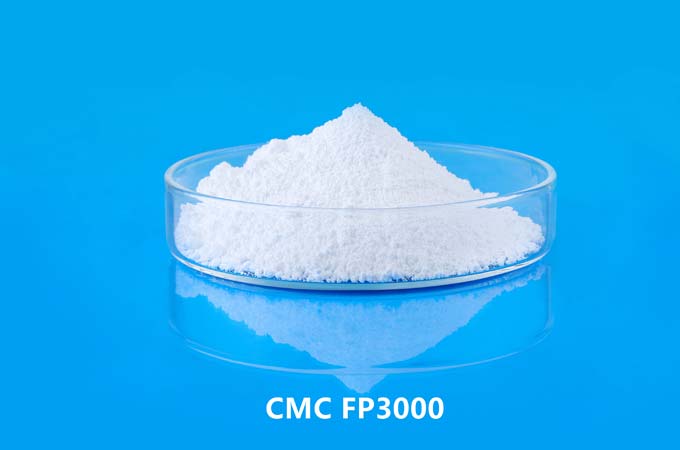
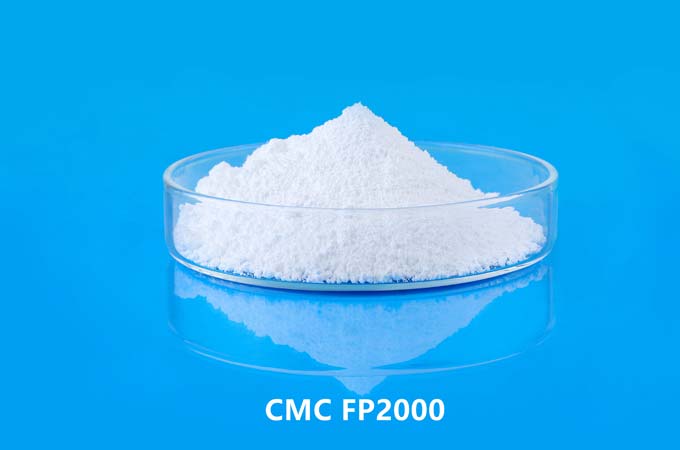
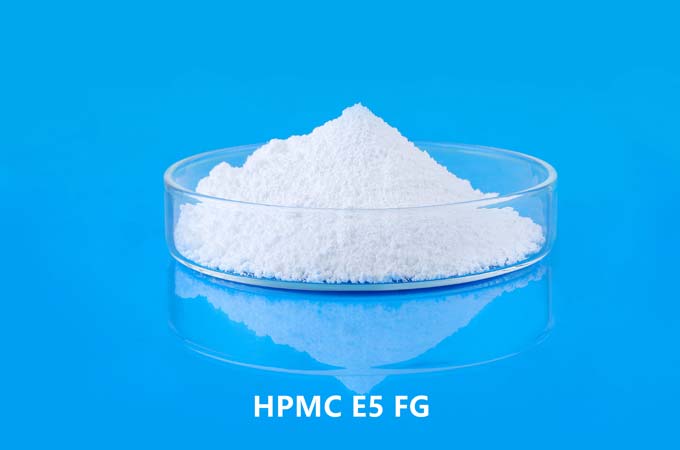
Hydroxypropyl methylcellulose (HPMC) is a common cellulose ether derivative widely used in building materials, pharmaceuticals, food, cosmetics, coatings, and other fields. To understand the properties and applications of HPMC, it is first necessary to understand its main raw materials and synthesis process. The choice of HPMC raw material directly determines the purity, stability, and performance of the product, and is therefore crucial in industrial production.
1. HPMC's Base Raw Material - Natural Cellulose
The core raw material for HPMC is natural cellulose. Cellulose is the most abundant natural polymer on Earth, widely found in plant cell walls. It is highly renewable and biocompatible. Commonly used cellulose sources in industrial production include:
Wood pulp: Pulp made from chemically or mechanically treated wood is the most common cellulose raw material. Its advantages are widespread availability, reasonable price, and high cellulose purity.
Cotton pulp (refined cotton): Produced by processing defatted cotton, it has a high cellulose purity (typically above 95%) and is suitable for the production of high-quality and transparent HPMC. Agricultural byproducts, such as straw and bagasse, are rarely used in high-end HPMC applications due to their high impurity content.
In actual industrial applications, cotton pulp is often used as a raw material for pharmaceutical-grade and food-grade HPMC, while wood pulp is commonly used in the production of industrial-grade HPMC for applications such as construction and coatings.
2. Main Chemical Raw Materials
HPMC is not simply cellulose, but rather a cellulose ether obtained through chemical modification. Its synthesis requires a variety of chemical reagents, primarily including:
2.1. Methanol or Isopropanol
In production, these are often used as reaction media or dispersants to help evenly disperse the cellulose and prevent clumping.
2.2. Sodium Hydroxide (NaOH)
As a strong base, it is used to alkalize natural cellulose to produce alkali cellulose. This is a prerequisite for the subsequent etherification reaction. The amount and concentration of NaOH directly affect the degree of substitution of HPMC.
2.3. Methyl chloride (CH₃Cl)
Under alkaline conditions, it reacts with hydroxyl groups in cellulose to introduce methoxy groups (–OCH₃), forming methylcellulose. The number of methoxy groups determines the solubility, thermal gelation, and other properties of HPMC.
2.4. Propylene oxide (CH₂CHOCH₃)
Reacts with hydroxyl groups in cellulose to introduce hydroxypropyl groups (–CH₂CHOHCH₃), improving the hydrophilicity, solubility, and stability of HPMC. The higher the hydroxypropyl content, the better the salt tolerance and thermal stability of HPMC.
2.5. Deionized water
Used to wash away byproducts and residues after the reaction to ensure the purity of the finished product. Pharmaceutical-grade and food-grade HPMC, in particular, have very strict control over residues.
3. Brief Overview of the HPMC Production Process
The preparation of HPMC is generally divided into the following steps:
Alkalinization: Refined cotton or wood pulp is ground and mixed with a sodium hydroxide solution to produce alkali cellulose. Etherification Reaction: Under controlled temperature and pressure, methyl chloride and propylene oxide are introduced to replace the hydroxyl groups on the cellulose molecules, producing cellulose substituted with methoxy and hydroxypropyl groups.
Neutralization and Washing: After the reaction, residual alkaline substances are neutralized and washed multiple times with water or alcohol to remove byproducts such as sodium chloride and unreacted reagents.
Drying and Pulverization: The wet material is dried into a powder to produce HPMC products that meet different application requirements.
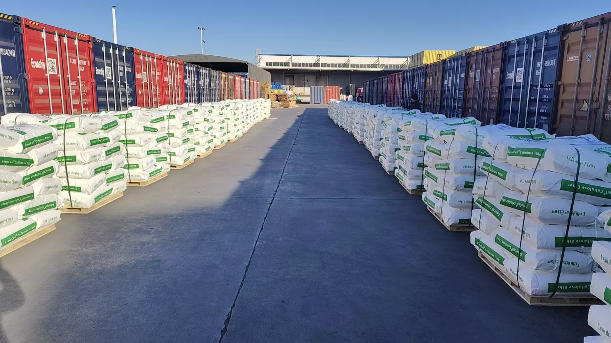
4. Impact of Raw Materials on HPMC Properties
Cellulose Source: HPMC produced from cotton pulp has higher purity and better transparency, making it suitable for pharmaceutical and food applications; HPMC produced from wood pulp is more cost-effective and suitable for construction-grade applications.
Methyl chloride dosage: Affects the methoxy degree of substitution (DS), which determines the product's solution viscosity and thermal gel point.
Propylene oxide dosage: Determines the hydroxypropyl content (MS), affecting its hydrophilicity and solubility.
Solvent Selection: Isopropyl alcohol and methanol can affect reaction uniformity, thereby affecting the particle size distribution and performance stability of the final product.
HPMC main raw materials include natural cellulose (cotton pulp or wood pulp) and various chemicals (such as sodium hydroxide, methyl chloride, propylene oxide, methanol/isopropyl alcohol, etc.). Cellulose provides the structural framework, while the chemicals impart unique physical and chemical properties through etherification reactions. The choice of raw materials and reaction conditions directly influences HPMC's degree of substitution, viscosity, solubility, and application performance. Therefore, high-quality raw material control is crucial to ensuring the stable application of HPMC in industries such as pharmaceuticals, food, and construction.


 English
 日本語
日本語 français
 Deutsch
 Español
 العربية
 Türkçe
 italiano
 русский
 português
 Nederland