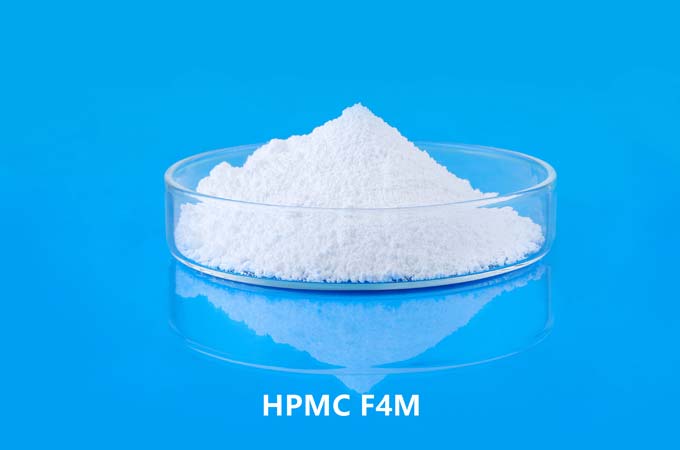
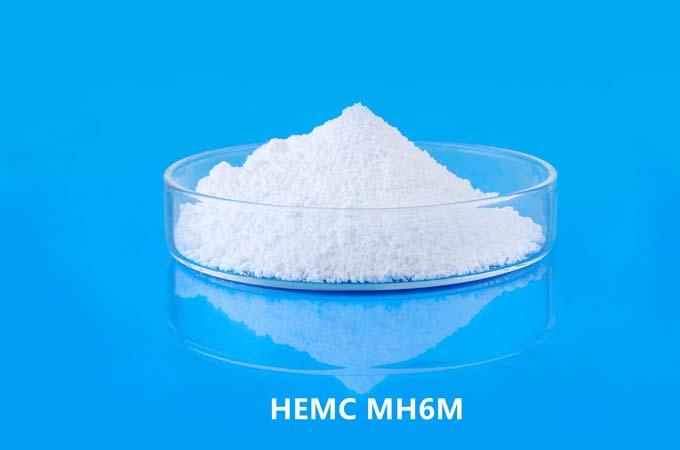
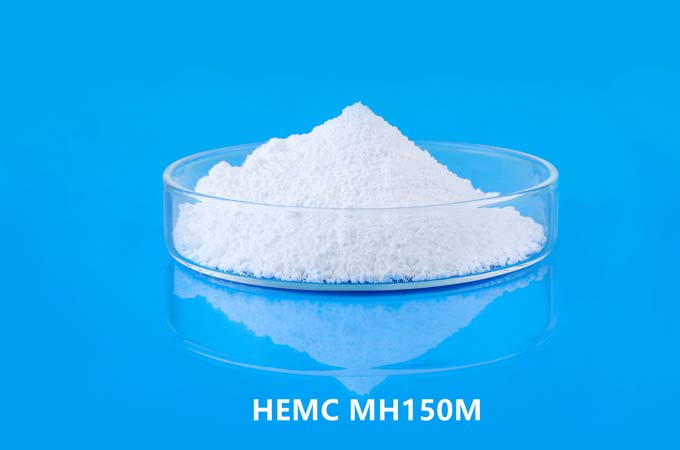
In the field of food safety, HPMC stands for Hydroxypropyl Methylcellulose, also known as Hydroxypropyl Methylcellulose in Chinese. It is a common non-ionic cellulose ether, widely used in the food industry, and an internationally recognized food additive.
Basic Properties of HPMC
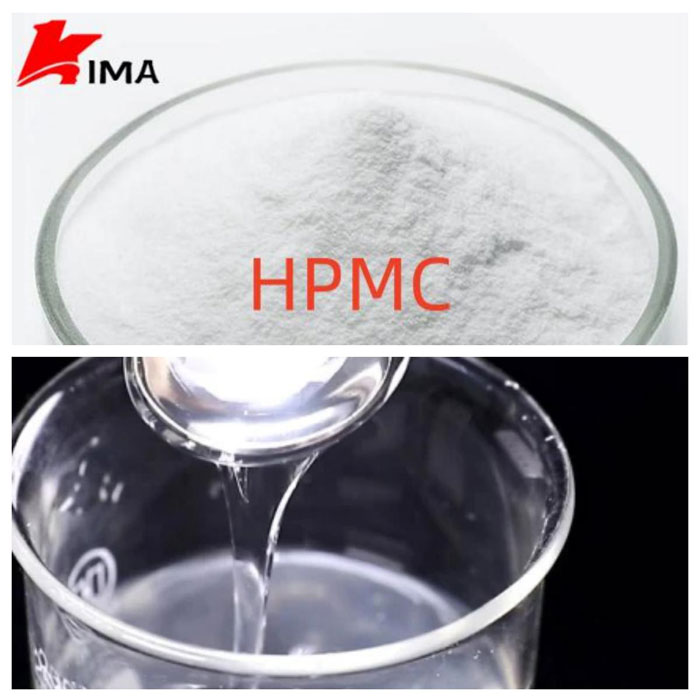
Hydroxypropyl Methylcellulose is a semi-synthetic polysaccharide derivative derived from natural high-molecular-weight cellulose through chemical modification. It exhibits excellent thickening, film-forming, water-retention, suspension, and emulsion stability properties. HPMC's application in food primarily utilizes its physical properties. Since it is not digested or absorbed by the human body, it is classified as a dietary fiber.
Food Additive Code and Regulatory Approval
In food, HPMC is classified as a food additive thickener, with the internationally recognized code E464. Its legal use and dosage vary slightly across countries and regions, but it is generally considered a safe, non-toxic, non-allergenic, and non-carcinogenic food additive.
Major regulatory agencies have evaluated its safety as follows:
China: HPMC is permitted for use in certain foods under the "National Food Safety Standard - Food Additives Usage Standard" (GB 2760).
EU: It is permitted as E464 in a variety of foods as a stabilizer or thickener.
US: It is classified as a GRAS (Generally Recognized As Safe) substance by the FDA.
FAO/WHO: The Joint Expert Committee on Food Additives (JECFA) has evaluated it and deemed it safe within reasonable usage limits.
Applications of HPMC in Food
Thickener: Commonly used in beverages, jellies, sauces, etc., to enhance taste and texture.
Emulsion Stabilizer: Used to improve emulsion stability in emulsified foods such as plant-based milks and ice cream.
Film-Forming Agent: HPMC forms a transparent film on food surfaces, used to protect fruits, vegetables, candies, and other products from moisture. Capsule Materials: In vegetarian capsules, HPMC is used as a plant-derived shell material, replacing gelatin. It is heat-resistant and easily soluble.
Low-calorie Foods: As a non-nutritive dietary fiber additive, it is often used in weight-loss foods.

Food Safety Considerations
HPMC does not break down in the digestive tract, does not generate heat, is not fermented by microorganisms, does not cause allergic reactions, and is non-toxic to humans. Its use as a functional food additive has been validated through multiple toxicology studies and has shown no significant toxic side effects. At typical dietary doses, HPMC poses no health risks.
However, as a large cellulose molecule, high doses may cause mild bloating or gastrointestinal discomfort. Moderation is recommended, especially for infants, the elderly, or those with weakened gastrointestinal function.
HPMC (hydroxypropyl methylcellulose) is a widely recognized safe additive under food safety standards and has numerous practical uses in the food industry. Its excellent stability, biocompatibility, and functionality make it a preferred alternative to animal-based gums, thickeners, or functional dietary fibers. HPMC is a food excipient that is harmless to the human body and has a wide range of uses, provided that its use and dosage are within compliance.


 English
 日本語
日本語 français
 Deutsch
 Español
 العربية
 Türkçe
 italiano
 русский
 português
 Nederland