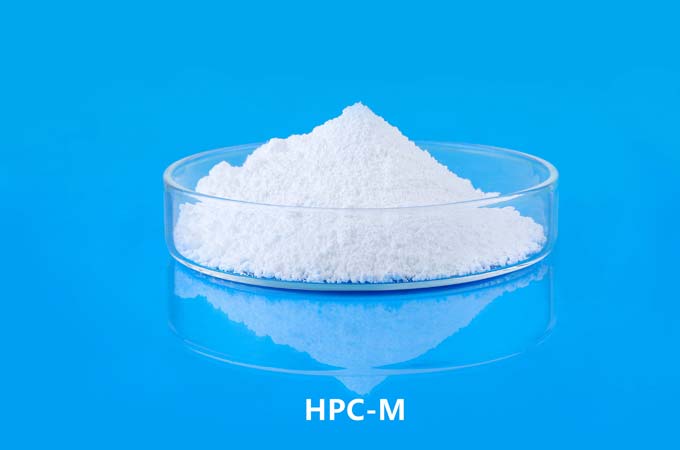
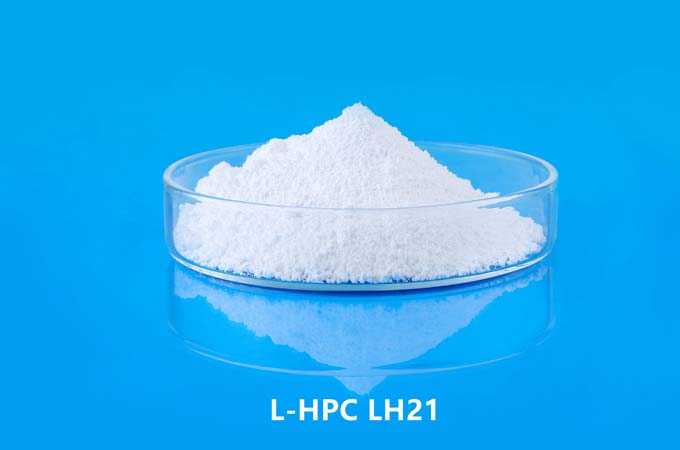
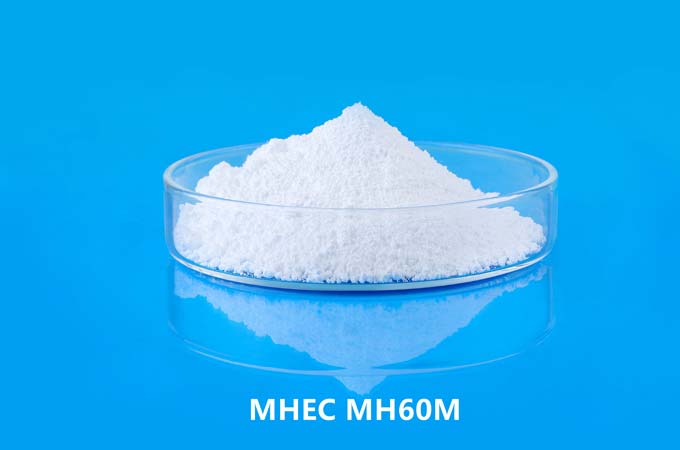
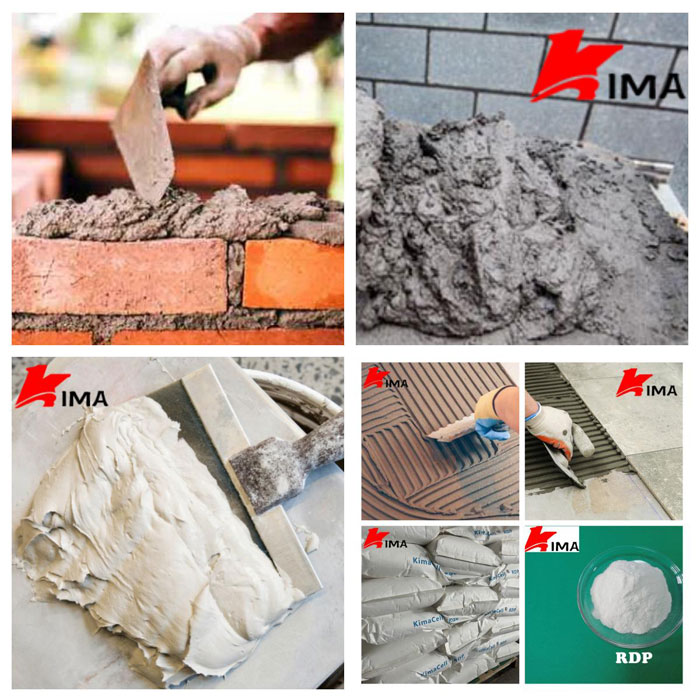
Redispersible polymer powder (RDP) is a free-flowing, dry powder made by spray-drying a stabilized polymer emulsion. Upon contact with water, RDP redisperse into fine polymer particles that retain the same properties as the original latex. It is widely used in dry mix mortars such as tile adhesives, wall putties, skim coats, self-leveling compounds, and external insulation finishing systems (EIFS), enhancing flexibility, adhesion, water retention, and workability.
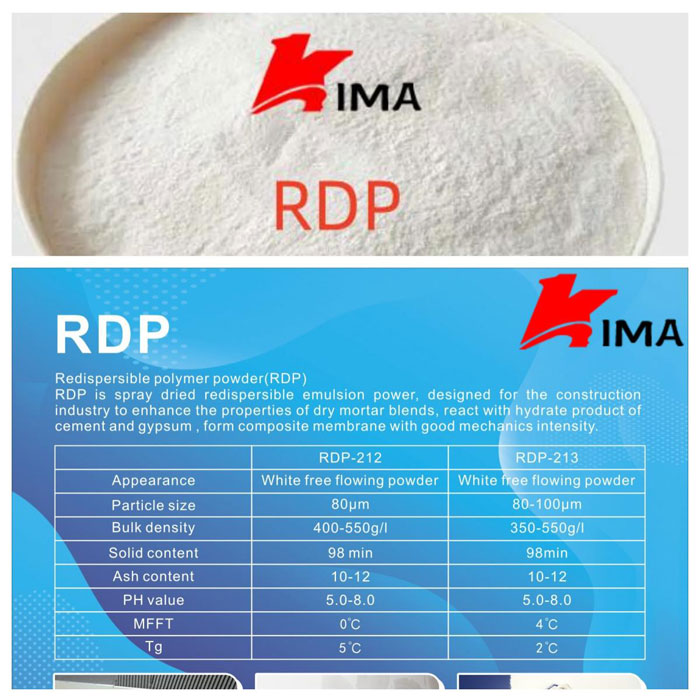
Raw Materials Selection
The first step in making RDP is selecting the right raw materials. These typically include:
Polymer emulsion (latex):
Common polymers used are:
Vinyl acetate-ethylene (VAE): Widely used in tile adhesives and wall putties.
Acrylics: Offer superior weather resistance and flexibility.
Styrene-butadiene rubber (SBR): Improves water resistance and adhesion.
Vinyl chloride copolymers: Used for specialty construction mortars.
Protective colloid (stabilizer):
Typically polyvinyl alcohol (PVA), which keeps the polymer particles stable during spray drying and ensures redispersibility.
Anticaking agent (e.g., fine mineral filler):
Prevents clumping of powder during storage and transport. Common materials include silica, kaolin, or calcium carbonate.
Emulsion Preparation
A stable polymer emulsion is essential for making high-quality RDP.
2.1.Polymerization:
The base polymer is synthesized via emulsion polymerization. In this process, monomers like vinyl acetate and ethylene are polymerized in the presence of water, emulsifiers, initiators, and protective colloids.
2.2.Stabilization:
The latex is mixed with additional PVA to enhance its colloidal stability and redispersibility. The viscosity, particle size, and solids content are carefully controlled.
2.3.Filtration:
The emulsion is filtered to remove any coagulum or impurities before spray drying.
Spray Drying Process
This is the critical step that transforms the liquid emulsion into a redispersible powder.
3.1. Spray Drying Setup
Feed preparation:
The stabilized emulsion is mixed with anticaking agents and adjusted to the desired solids content (typically 40–60%).
Atomization:
The liquid is sprayed into fine droplets using a rotary or nozzle atomizer inside a spray-drying chamber.
Hot air drying:
Heated air (typically 150–220°C inlet temperature) evaporates the water almost instantly. The dried polymer particles, now coated with PVA and anticaking agents, fall to the bottom of the chamber.
Powder collection:
Cyclones and bag filters separate the fine powder from the drying air. The result is a free-flowing, dust-free RDP with a moisture content below 2%.
3.2. Critical Process Parameters
Inlet/outlet air temperatures
Atomization pressure or disk speed
Airflow rate and drying time
Emulsion viscosity and solids content
Each of these impacts the particle size, flowability, and redispersibility of the final product.
Post-Processing and Packaging
After drying, the RDP is sieved and blended to ensure uniformity.
Sifting and blending:
Ensures consistent particle size and distribution of anticaking agents.
Quality control tests:
Key parameters tested include:
Bulk density
Moisture content
Ash content (residue from fillers)
pH value
Redispersibility in water
Film-forming temperature (MFFT)
Packaging:
RDP is typically packed in moisture-proof paper or plastic-lined bags (15kg or 25kg), stored in cool and dry conditions.
Mechanism of Redispersion
When RDP is mixed with water, the protective colloid dissolves and allows the polymer particles to redisperse uniformly, forming a latex again. This latex coalesces into a continuous film upon drying, providing:
Adhesion to substrates
Flexibility and crack-bridging ability
Improved water resistance
Higher tensile and compressive strength
Applications of RDP
Depending on the polymer type and formulation, RDP can be used in:
Tile adhesives: Improves bonding strength and flexibility.
Wall putty: Enhances smoothness and crack resistance.
Skim coat and plaster: Better workability and adhesion.
EIFS mortar: Provides flexibility and weather resistance.
Self-leveling compounds: Increases tensile and flexural strength.
Repair mortars: Enhances bonding and shrinkage resistance.
Safety and Handling
While RDP is not considered hazardous, care must be taken during handling:
Avoid inhalation of fine dust — use appropriate masks or respirators.
Store in dry environments to avoid premature gelling or caking.
Follow manufacturer's safety data sheet (SDS) for guidance.
The production of redispersible polymer powder involves a complex yet precise process starting from emulsion polymerization to spray drying and final quality control. Each stage plays a key role in determining the performance of the RDP in construction and industrial applications. Mastery over formulation, spray drying parameters, and material handling ensures consistent quality and functionality, making RDP a crucial ingredient in high-performance dry mix mortars.


 English
 日本語
日本語 français
 Deutsch
 Español
 العربية
 Türkçe
 italiano
 русский
 português
 Nederland