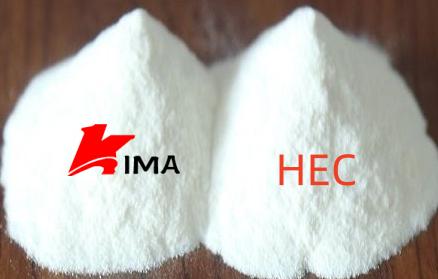
HEC Hydroxyethyl Cellulose, is a nonionic, water-soluble cellulose ether primarily produced by alkali treatment and ethylene oxide etherification of natural cellulose. Its excellent thickening, water-retention, film-forming, and biocompatibility properties make it widely used in a variety of industrial and everyday products.
Construction Industry
HEC is a key additive in construction materials, widely used in cement mortar, tile adhesives, caulking compounds, and gypsum-based products. Its primary functions include:
Thickening and water-retention: It improves the fluidity and workability of the mortar, prevents excessive water loss, and aids cement hydration;
Anti-slip properties: It improves the adhesion of tile adhesives and caulking compounds on vertical surfaces;
Improved open time: It extends the material's workable life, making it suitable for construction in tropical or arid climates.
Oil Drilling Industry
HEC also plays a key role in oil and gas drilling fluids, primarily as a viscosity enhancer and rheology modifier:
Mud thickening: Increases drilling fluid viscosity, helps carry cuttings, and protects the wellbore;
Rheology control: Adjusts the shear properties of the fluid, facilitating drilling operations;
Water loss control: Reduces filtration of drilling fluid into the formation, improving drilling efficiency.
Coatings and Paints Industry
HEC is a common thickener in water-based and latex paints, improving their application performance and appearance:
Rheology control: Enhances storage stability and prevents pigment settling;
Leveling improvement: Helps form a smooth, uniform coating film;
Splash control: Reduces splashing during brush or roller application.
Personal Care and Daily Chemicals
HEC has excellent skin compatibility and stability and is commonly used in daily chemical products such as shampoo, facial cleanser, and skin care lotions:
Thickening and Suspending: Stabilizes suspended particles or active ingredients, such as pearlescent agents and fragrances;
Emulsion Stabilizer: Assists in uniform dispersion of oil-water systems;
Mild and Non-Irritating: Low risk of skin allergies, suitable for products with sensitive skin.
Pharmaceutical and Food Industries
In the pharmaceutical industry, HEC can be used as a tablet binder and sustained-release coating material. In the food industry, it is primarily used in food additives as a stabilizer and emulsifier (but must be food-grade):
Tablet Forming: Enhances tablet mechanical strength and disintegration control;
Sustained-release Material: Modifies drug release in enteric-coated or controlled-release formulations;
Food Stability: Improves the texture and viscosity of dairy products and sauces.
Papermaking and Textile Industries
HEC is also widely used in papermaking and textile processes:
Paper surface sizing: improving printability and surface strength;
Textile printing and dyeing auxiliaries: as a printing paste and sizing agent, improving sizing adhesion and wash resistance.
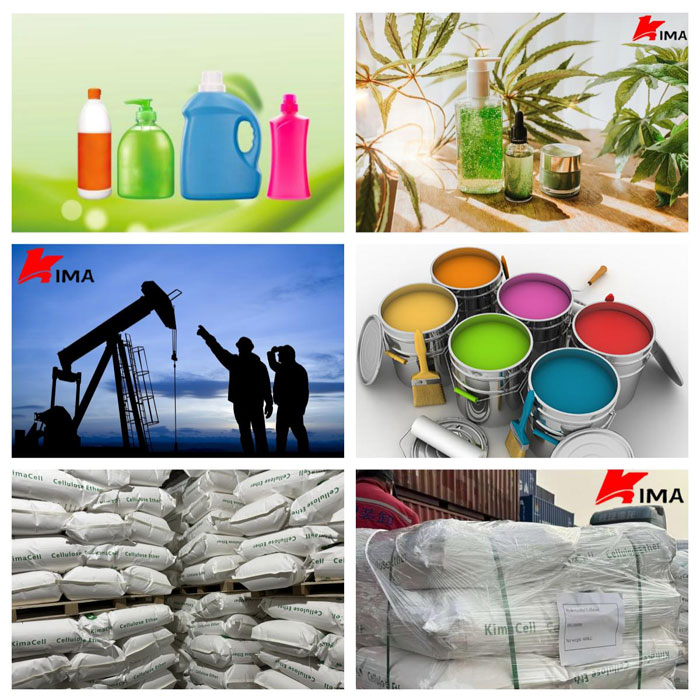
As a versatile cellulose ether,HEC plays an irreplaceable role in a wide range of industries. From building materials to oil drilling, from cosmetics to pharmaceuticals and food, its efficient thickening, stable suspension, and improved rheological properties make it extremely valuable in modern industrial systems. Wih the increasing emphasis on environmental protection and renewable materials, HEC, due to its natural origin and biodegradability, is poised for even greater development.


 English
 日本語
日本語 français
 Deutsch
 Español
 العربية
 Türkçe
 italiano
 русский
 português
 Nederland