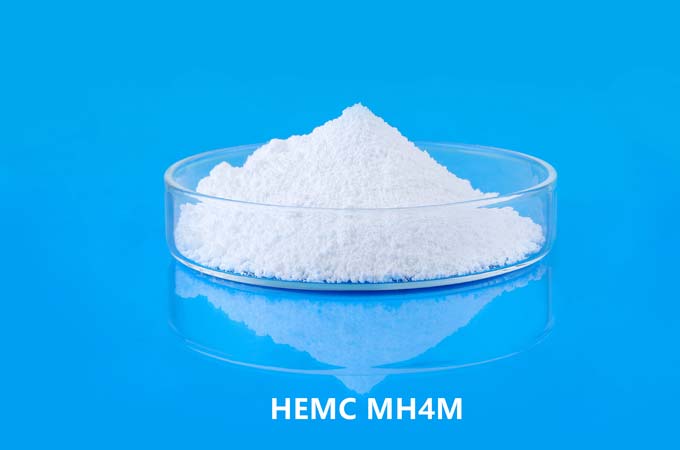
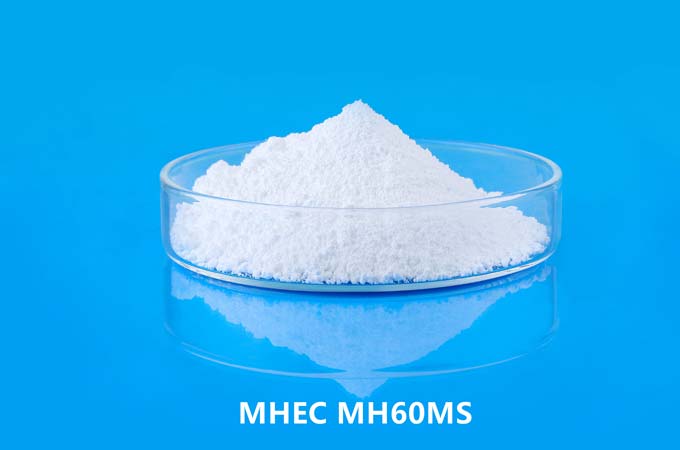
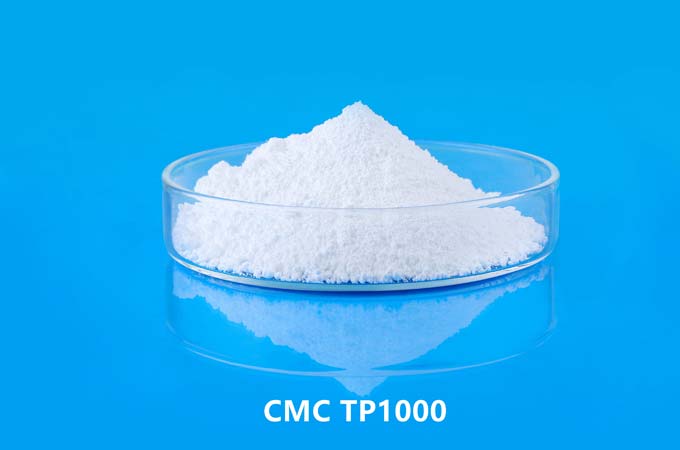
Methylcellulose (MC) is a nonionic cellulose ether derived from natural cellulose, formed by replacing some hydroxyl groups on the cellulose molecule with methoxy groups. It is insoluble in cold water but dissolves when heated and forms a gel upon cooling. This "thermal gelling" property makes it uniquely valuable in the food industry, particularly in dairy and cream products.
Improving Cream Stability
In cream systems, milk fat globules tend to aggregate and separate during storage or whipping, leading to oil-water separation or water release. Methylcellulose has excellent thickening and water-binding properties, forming a uniform viscous network in the aqueous phase that encapsulates and secures the milk fat particles, preventing them from floating or settling, thereby significantly improving the physical stability of the cream. This is particularly important for the storage of whipped cream, light cream, and non-dairy cream.
Providing a Thermal Gel Support Structure
Methylcellulose forms a gel when heated and dissolves upon cooling. This property is particularly valuable in bakery creams or dairy products that require heat treatment. For example, when making bakeable cream fillings or cream sauces, adding a certain percentage of methylcellulose can create a support structure during heating, preventing the cream from flowing, collapsing, or leaking oil, ensuring the finished product retains its full shape after heating.
Improving Taste and Texture
In cream, methylcellulose forms a soft gel with water, enhancing overall smoothness and body while reducing greasiness. In low-fat cream formulations, methylcellulose can compensate for the loss of thickness and mouthfeel associated with reduced fat while maintaining a smooth and rich taste similar to full-fat cream. This effect is particularly critical for the development of healthy, low-fat, or vegan cream products.
Slowing Water Loss and Extending Shelf Life
Methylcellulose's strong water-retention capacity significantly reduces water evaporation during storage or use, preventing cracking and surface loss. It also reduces the free water content required for microbial growth, thereby extending the shelf life of cream products. This is particularly beneficial for commercial creams that are exposed to long periods of display or transportation.
Improved Whipping Performance
For whipped products like non-dairy cream, methylcellulose increases the viscosity of the mixture, helping to better encapsulate air during the whipping process and forming a stable foam structure. This results in a larger, more stable whipped cream that resists defoaming. This is crucial for applications such as cake decorating and icing where a three-dimensional shape must be maintained.
Synergistic Effect
In formulations, methylcellulose is often used in combination with other stabilizers or emulsifiers (such as carrageenan, guar gum, and monoglycerides) to create a synergistic effect, further improving the cream's emulsion stability, consistency, and temperature resistance. This multi-component stabilization system is widely used in industrial production and can achieve ideal texture and processing properties.
Methylcellulose primary functions in cream include improving stability, preventing oil-water separation, forming a support structure during heating, improving mouthfeel, slowing water loss, extending shelf life, and enhancing whipping performance. It also synergizes with other colloids. Its unique thermal gelling properties make it particularly valuable in heated and low-fat cream products. For manufacturers, the rational use of methyl cellulose can not only improve the appearance and taste of the product, but also enhance processing adaptability and market competitiveness.


 English
 日本語
日本語 français
 Deutsch
 Español
 العربية
 Türkçe
 italiano
 русский
 português
 Nederland