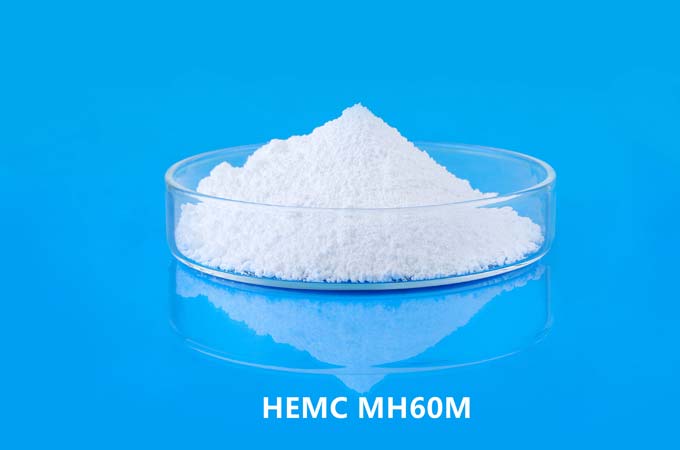
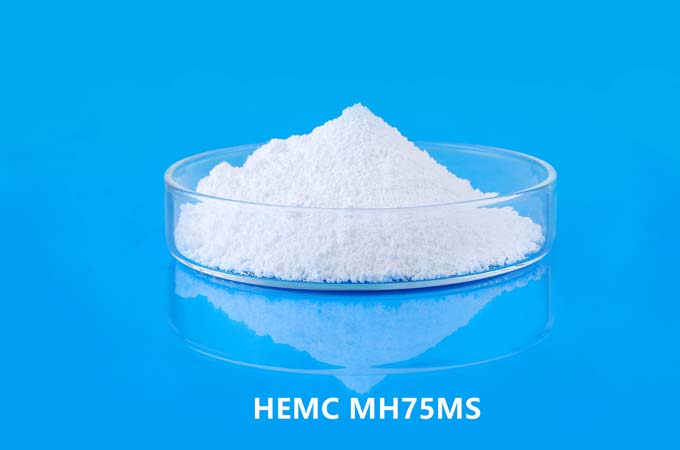
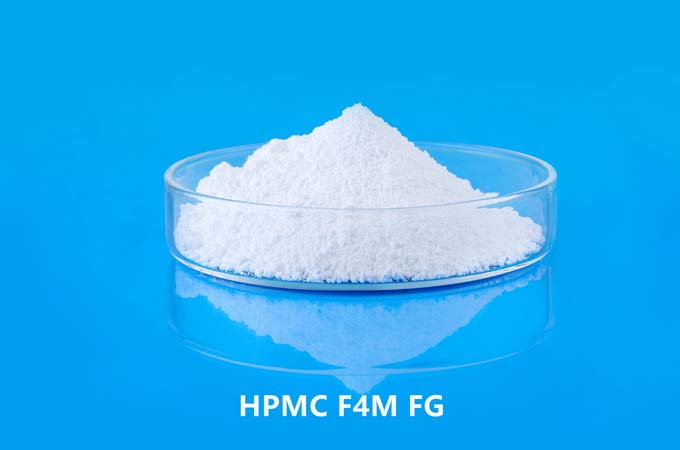
Hydroxypropyl methylcellulose (HPMC) is a chemically modified nonionic cellulose ether with excellent thickening, film-forming, water-retention, and dispersing properties. It is widely used in building mortars, coatings, pharmaceuticals, food, and daily chemical industries. In practical applications, HPMC solubility is a critical parameter, directly affecting solution clarity, viscosity development rate, and ultimate performance.
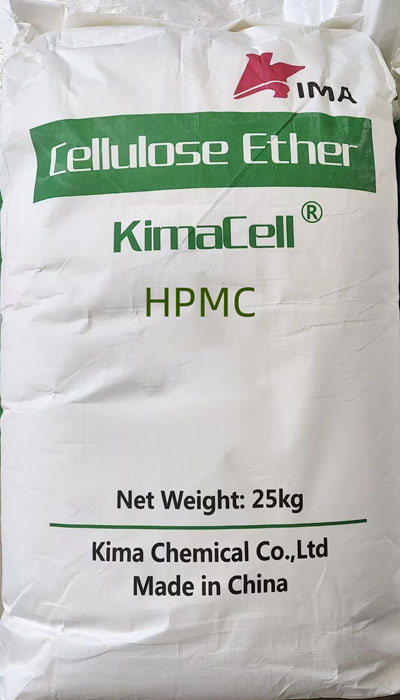
Solubility Characteristics
HPMC is a water-soluble polymer, but its dissolution process differs from that of typical small molecule salts and is not instantaneous. Its solubility is closely related to solvent type, temperature, and degree of substitution (methoxyl group content, hydroxypropoxyl group content).
In cold water, HPMC disperses well and gradually dissolves, forming a transparent or translucent, viscous solution. The solubility of standard products in water at around 20°C typically reaches 2–3 g per 100 mL (2–3% w/v concentration) without noticeable gelation. However, HPMC with a high degree of substitution has a higher solubility in cold water, even exceeding 5%.
In hot water: HPMC's solubility decreases significantly. When the temperature exceeds its critical solubility temperature (typically 60–80°C, depending on the degree of substitution), HPMC undergoes thermal gelation, precipitating into an insoluble state. This phenomenon demonstrates HPMC's thermoreversible gelling properties.
In organic solvents: HPMC is insoluble in low-polarity solvents such as pure acetone and ethanol, but is soluble in certain water/alcohol mixtures, such as a 1:1 mixture of water and ethanol, which can be used to adjust the dissolution rate.
Dissolution Mechanism
The hydroxyl groups on the surface of the HPMC molecular chains are replaced by methoxy and hydroxypropoxy groups, weakening the intermolecular hydrogen bonds and enabling it to form a more stable hydration layer with water molecules. When HPMC is placed in cold water, water molecules gradually penetrate between the molecular chains, breaking up the molecular aggregation, ultimately dispersing and dissolving them to form a uniform solution. If placed directly in hot water, the molecular chains quickly aggregate, resulting in insufficient surface hydration, forming "clumps" and making it difficult to dissolve.
Factors Affecting Solubility
Degree of Substitution (DS & MS): HPMC with a high methoxy content is more hydrophobic and has a lower thermal gelation temperature, but exhibits better solubility in cold water. A high hydroxypropoxy content increases hydrophilicity, increases cold-water solubility, and delays thermal gelation.
Molecular Weight (Viscosity Grade): HPMC with a high viscosity grade has a larger molecular weight, resulting in slower dissolution. Solubility is also reduced due to restricted solvent diffusion.
Water Temperature: Low temperatures facilitate dispersion and dissolution, while high temperatures may cause gelation.
pH: HPMC is stable within the pH range of 3–11. Extreme pH values can cause degradation, indirectly affecting solubility.
Cosolvents: Water/alcohol mixtures or surfactants can improve dissolution rate and solution uniformity.
Common Dissolution Methods
To achieve optimal dissolution and clarity, the "hot water dispersion-cold water dissolution" method is typically used:
HPMC is placed in hot water at 80–90°C and stirred rapidly to disperse evenly but not dissolve.
Add cold or ice water to cool the mixture. The molecular chains begin to absorb water and swell, dissolving completely. This method can prevent agglomeration and improve dissolution efficiency. For fast-dissolving HPMC, it can be added directly to cold water for rapid dissolution.
The Significance of Solubility in Applications
In building mortars, solubility influences thickening speed and workability; in coatings, solubility affects leveling and film uniformity; and in pharmaceuticals, HPMC solubility influences drug release rate and capsule disintegration. Therefore, selecting HPMC with the appropriate degree of substitution, viscosity, and dissolution method is crucial to meet diverse application requirements.
HPMC has excellent solubility in cold water, generally reaching 2–5%, but this solubility is significantly affected by the degree of substitution, temperature, and dissolution method. By properly controlling water temperature, dispersion method, and solubilization conditions, dissolution efficiency and solution quality can be effectively improved. Understanding the solubility characteristics of HPMC is crucial for optimizing formulations and enhancing product performance in actual production and applications.


 English
 日本語
日本語 français
 Deutsch
 Español
 العربية
 Türkçe
 italiano
 русский
 português
 Nederland