In oil and gas exploration and production, drilling fluid, as an important medium in drilling operations, not only carries cuttings, cools the drill bit, and maintains wellbore stability, but also directly affects drilling efficiency and operational safety. With the continuous development of drilling technology, the requirements for drilling fluid performance are becoming increasingly stringent, especially its rheological properties and stability characteristics. Hydroxyethyl cellulose (HEC), due to its excellent physicochemical properties, is widely used in drilling fluid systems as a highly effective rheological modifier.
Basic Characteristics of Hydroxyethyl Cellulose
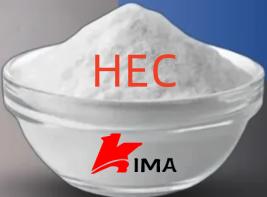
Hydroxyethyl cellulose is a non-ionic, water-soluble cellulose derivative obtained from natural cellulose through ethoxylation reaction. HEC has good water solubility, thickening, and suspending properties, and is also highly tolerant to salts and temperature. In drilling fluid applications, HEC can significantly increase the viscosity of the liquid at low concentrations and adjust its rheological properties, thereby improving the cuttings carrying capacity and wellbore stability of the drilling fluid.
Modification Effect of HEC on the Rheological Properties of Drilling Fluids
2.1. Increasing Low-Shear Viscosity
The HEC molecular chains form a three-dimensional network structure in water, which can significantly increase the low-shear viscosity of the drilling fluid, allowing the drilling fluid to maintain a high suspension capacity in a static state. This is important for preventing cuttings from settling in the wellbore and reducing the risk of wellbore collapse.
2.2. Improving High-Shear Flowability
Drilling fluid is subjected to high shear forces under conditions of pumping and high-speed rotation of the drill bit. HEC exhibits a significant shear-thinning characteristic, i.e., the viscosity decreases under high shear conditions, reducing pumping resistance, thereby saving energy and protecting drilling equipment. At the same time, this rheological characteristic helps to ensure smooth mud circulation around the drill bit, improving drilling efficiency.
2.3. Enhancing Suspension and Cuttings Carrying Capacity
The three-dimensional molecular network structure of HEC not only increases the liquid viscosity but also forms a stable colloidal structure in the drilling fluid, making the suspension of cuttings more uniform. This is especially important for long-cycle drilling and complex well sections, preventing bottom-hole sedimentation and ensuring continuous circulation of drilling fluid.
2.4. Improved Temperature and Salt Stability
During drilling, drilling fluid is affected by high temperature and high salt environments. HEC has good thermal stability and salt resistance, maintaining stable rheological properties within a certain range, preventing drastic fluctuations in drilling fluid viscosity, and ensuring reliable well fluid performance.

Application Forms and Dosage of HEC in Drilling Fluid
HEC is mainly used as a thickening and rheological modifier in water-based fluid systems in drilling fluids. It is usually added in powder or granular form and can be effective after thorough dissolution by stirring. Depending on the type of drilling fluid and downhole conditions, the addition amount of HEC is generally controlled between 0.2% and 1.0%. Reasonable selection of HEC with appropriate molecular weight and degree of substitution can optimize rheological performance for different well conditions.
Application Advantages and Development Prospects
Compared with traditional natural clay and polymer thickeners, HEC has the characteristics of being non-ionic, non-toxic, environmentally friendly, and highly controllable, significantly improving the rheological properties and suspension capacity of drilling fluid. In addition, HEC can also synergistically interact with other modifiers such as bentonite, starch derivatives, and polyacrylates to form a composite drilling fluid system, improving the safety and efficiency of drilling operations. With the development of deep well, ultra-deep well, and high-temperature and high-pressure drilling technologies, the application prospects of HEC in drilling fluids will be even broader.
Hydroxyethyl cellulose, as an important rheological modifier in drilling fluids, significantly improves drilling fluid performance by adjusting low-shear and high-shear viscosity, enhancing suspension capacity, and improving temperature and salt stability. Its advantages of being green, environmentally friendly, highly controllable, and synergistic with other components make HEC an indispensable functional material in modern drilling fluid systems. In the future, with the further development of materials science and drilling technology, the application scope and effects of HEC will continue to be optimized, providing strong support for efficient and safe oil and gas extraction.


 English
 日本語
日本語 français
 Deutsch
 Español
 العربية
 Türkçe
 italiano
 русский
 português
 Nederland