With the increasing demand for green and environmentally friendly materials in the construction industry, the application of redispersible polymer powder (RDP) in mortars has gradually become an important direction for technological innovation. Thanks to its excellent performance, RDP not only improves the workability and durability of mortars but also promotes the research and application of environmentally friendly mortars, providing a solid guarantee for the sustainable development of the construction industry.
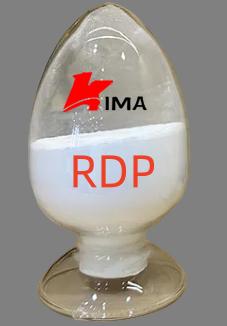
Basic Characteristics and Functions of RDP
RDP is a dry powder polymer material produced by emulsion polymerization technology, which can be redispersed in water to form a uniform emulsion system. Its core advantages include:
Enhanced Adhesion: RDP can significantly improve the adhesion between the mortar and the substrate, creating a stronger bond between the mortar and materials such as bricks and concrete, thus improving structural stability.
Improved Flexibility: Mortars containing RDP maintain a certain degree of flexibility after drying, effectively preventing cracking and improving the durability of the mortar.
Optimized Workability: RDP can adjust the fluidity and water retention of the mortar, making the construction process smoother and facilitating spraying or plastering operations.
Environmentally Friendly and Low Emissions: RDP is a water-based polymer material that does not produce harmful volatile substances during use, meeting modern building energy-saving and environmental protection standards.
Application of RDP in Environmentally Friendly Mortars
2.1. Thermal Insulation Mortar
Building exterior wall insulation materials commonly suffer from problems such as easy cracking and insufficient adhesion. By adding RDP to the mortar, the adhesion and toughness of the mortar can be significantly improved, reducing the risk of cracking and improving the overall performance of the insulation layer. The redispersible properties of RDP also improve the cement binding efficiency of the mortar, achieving the dual goals of efficient insulation and structural protection.
2.2. Plastering Mortar
Plastering mortar requires smooth application and high durability after drying. RDP can optimize the fluidity and water retention of the mortar, making construction operations easier to control, while also enhancing the adhesion and flexibility of the mortar to the wall, extending its service life. In addition, plastering mortars using RDP are easier to apply in thin layers, saving building materials and reducing construction costs.
2.3. Repair Mortar
In building maintenance and repair, the bonding strength and durability of mortar are key indicators. RDP can improve the adhesion of repair mortar, ensuring a tight bond between the repaired area and the original structure, while also enhancing water resistance and freeze-thaw resistance. It is suitable for various applications, including exterior walls, floors, and bridges.
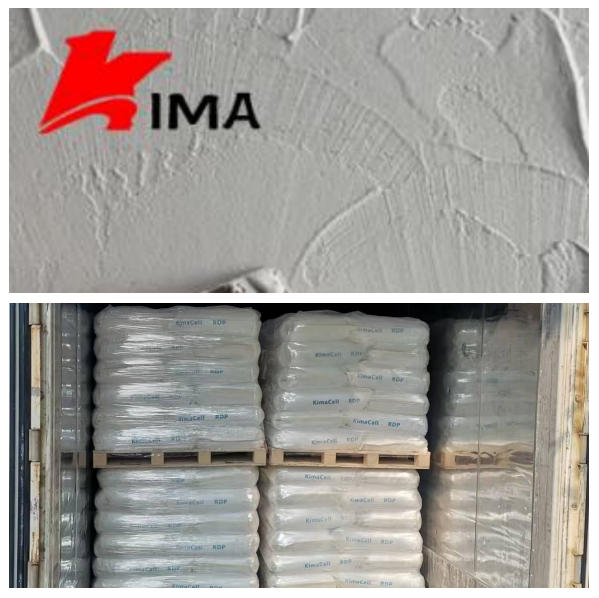
Advantages of RDP in Promoting the Development of Environmentally Friendly Mortar
3.1. Energy Saving and Emission Reduction
RDP improves the bonding efficiency of mortar, reducing cement consumption and mortar thickness, thereby lowering building energy consumption and carbon emissions. Compared to traditional mortar, RDP mortar is more environmentally friendly during construction and maintenance.
3.2. Enhanced Sustainability
RDP mortar maintains stable performance during drying and aging, extending the service life of buildings and reducing maintenance frequency, contributing to the sustainable development goals of the construction industry.
3.3. Adaptation to Green Building Standards
With the development of green building certification systems, low VOC, low energy consumption, and high durability have become evaluation criteria. The environmentally friendly characteristics and excellent performance of RDP mortar perfectly meet this demand, providing reliable technical support for the development of green building materials.
Future Development Trends
With the continuous strengthening of environmental policies and technological upgrades in the construction industry, RDP has broad application prospects in the field of mortar. In the future, RDP will develop towards high-performance and functional directions, such as enhanced crack resistance, freeze-thaw resistance, and self-healing capabilities. Simultaneously, combined with technologies such as nanomaterials and composite fibers, the performance of RDP mortar is expected to be further improved, driving the construction industry towards a greener, smarter, and more sustainable direction.
As an important additive in modern building materials, redispersible polymer powder, with its excellent bonding strength, flexibility, and environmentally friendly characteristics, is becoming a core driving force in the development of environmentally friendly mortar. Through the rational application of RDP, it can not only improve the construction performance and durability of mortar but also effectively reduce building energy consumption and material consumption, providing strong support for the green development of the construction industry. With continuous technological optimization, the application potential of RDP in future green buildings and sustainable building materials will continue to be unleashed.


 English
 日本語
日本語 français
 Deutsch
 Español
 العربية
 Türkçe
 italiano
 русский
 português
 Nederland