With the development of the energy extraction industry, drilling fluids are becoming increasingly widely used in oil and gas exploration and extraction. Traditional drilling fluid systems are mostly based on bentonite, synthetic polymers, or certain chemical additives. While these play an important role in improving drilling efficiency and wellbore stability, some chemical additives pose environmental pollution risks, high treatment costs, and ecological safety concerns. Therefore, finding efficient, environmentally friendly, and sustainable alternatives for drilling fluids has become an important direction for industry development. In this context, hydroxyethyl cellulose (HEC) has attracted widespread attention and application in drilling fluid systems due to its green, environmentally friendly, renewable, and excellent performance.
Basic Characteristics and Environmental Friendliness of HEC
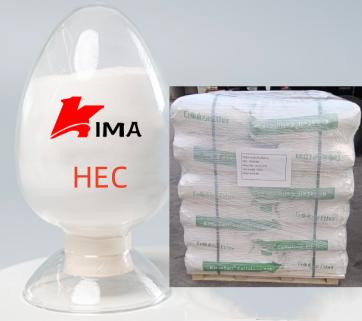
HEC is a non-ionic, water-soluble cellulose derivative, modified from natural cellulose through ethoxylation. It possesses excellent thickening, suspension, and lubrication properties. Its natural origin and biodegradability mean that HEC does not produce toxic byproducts during use, resulting in a low environmental impact on water and soil. Compared to some traditional synthetic polymers or salt-containing additives, the application of HEC in drilling fluids is more in line with the concept of green environmental protection, meeting the requirements of modern energy extraction for ecological sustainability.
Performance Advantages of HEC in Drilling Fluids
2.1. Rheological Control Capability
HEC can effectively control the viscosity and rheological properties of drilling fluids, improving the suspension capacity of drill cuttings and ensuring the efficient transport of cuttings in the circulation system. This performance makes the drilling process smoother, reduces the risk of wellbore collapse and blowouts, and reduces reliance on chemical stabilizers, thereby reducing potential environmental pollution.
2.2. Excellent Suspension and Dispersion Functions
HEC molecular chains can form a stable network structure in the aqueous phase, enhancing the suspension of the mud and preventing drill cuttings from settling. Its strong dispersibility maintains the uniformity of the drilling fluid even in high-sand environments, reducing wellbore blockage and equipment wear, further improving drilling efficiency.
2.3. Thermal Stability and Salt Tolerance
Modified HEC possesses good thermal stability and can maintain its rheological properties in high-temperature and high-pressure downhole environments. At the same time, it exhibits strong tolerance to common salts such as NaCl and CaCl₂, making it suitable for complex geological environments and reducing the use of traditional high-salt additives, thereby mitigating the ecological pressure caused by salt emissions.
Environmental Advantages of HEC as an Alternative
3.1. Reduced Emission of Harmful Chemicals
In traditional drilling fluid systems, some polymer thickeners and chemical additives may enter surface water or groundwater after use, causing water pollution. HEC, however, is naturally derived and biodegradable, causing minimal disturbance to the ecosystem and effectively reducing the emission of harmful chemicals.
3.2. Lowered Wastewater Treatment Costs
During the drilling fluid recycling process, the environmentally friendly characteristics of HEC simplify wastewater treatment processes. Its biodegradability reduces reliance on expensive chemical treatment agents, lowering wastewater treatment costs and energy consumption, meeting both the green production and economic efficiency requirements of enterprises.
3.3. Compliance with Green Certification and Regulatory Requirements
With increasingly stringent environmental regulations worldwide, the use of natural and environmentally friendly materials has become an important condition for compliant production in the oil and gas industry. The application of HEC in drilling fluids not only meets the environmental safety requirements of standards such as ISO and API, but also helps companies enhance their green image and meet green certification and sustainable development strategies.

Application Prospects
With the continuous development of energy exploration technologies and the increasing environmental requirements, HEC has enormous application potential in drilling fluids. By optimizing its molecular structure and dosage, its rheological control, thermal stability, and salt tolerance can be further improved to meet the needs of drilling in complex formations. Furthermore, HEC can be combined with other natural polymers or low-toxicity modifiers to achieve high-performance, low-environmental-impact drilling fluid systems, providing a reliable solution for the green development of the industry.
As a natural, biodegradable, water-soluble cellulose derivative, HEC offers significant environmental advantages as an alternative in drilling fluids. It not only provides excellent rheological control and suspension performance but also reduces the emission of harmful chemicals, lowers wastewater treatment costs, and meets green production and regulatory requirements. In the future, as the concept of green energy extraction becomes more widely accepted, HEC is expected to become an indispensable environmentally friendly, high-performance additive in drilling fluid systems.


 English
 日本語
日本語 français
 Deutsch
 Español
 العربية
 Türkçe
 italiano
 русский
 português
 Nederland