Methyl hydroxyethyl cellulose (MHEC) is a type of non-ionic, water-soluble polymer obtained by modifying natural cellulose through methylation and hydroxyethylation. As an important functional additive in industries such as building materials, coatings, and daily chemicals, MHEC possesses multiple functions including thickening, water retention, film formation, and stabilization. Its chemical structure contains both hydrophobic methoxy groups and hydrophilic hydroxyethyl groups, giving it unique amphiphilic characteristics and thus exhibiting excellent application performance.
Main Chemical Properties of MHEC
1.1. Stable Non-ionic Structure
MHEC belongs to non-ionic cellulose ethers, and the entire molecular chain does not contain ionizable functional groups, therefore it has the following characteristics:
Unaffected by pH fluctuations, generally stable in the pH range of 3–11;
Does not react with metal ions in cement and gypsum;
More convenient to use in systems requiring ionic stability, such as cement-based, putty, and coating systems.
1.2. Excellent Water Solubility and Swelling Properties
MHEC dissolves rapidly in cold water to form a transparent, viscous solution. The dissolution process is divided into three stages: swelling, dispersion, and complete dissolution. Its hydroxyethyl side chain increases hydrophilicity, making it dissolve faster in low-temperature water than HPMC, forming a stable thickening system.
1.3. Thermogelation (Thermal Coagulation)
MHEC aqueous solutions exhibit typical low-temperature dissolution and high-temperature gelation characteristics:
At higher temperatures (around 60℃), the solution viscosity decreases or gelation occurs;
The solution properties recover when the temperature decreases.
This thermogelation property can be used to improve the anti-sagging, workability, and long-term adhesion of mortar.
1.4. Balanced Hydrophilic/Hydrophobic Function
In the MHEC structure, the methoxy group enhances hydrophobicity, while the hydroxyethyl group enhances hydrophilicity, forming a unique amphiphilic distribution. This structure enables it to provide more ideal thickening and lubrication in cementitious slurries or emulsion coatings, while also improving the rheological stability of the material.
1.5. Thickening and Rheological Control Capabilities
MHEC forms a three-dimensional structure through a hydrogen bond network, significantly increasing the viscosity of the system. Its rheological behavior typically exhibits pseudoplasticity (shear thinning), meaning:
High viscosity when stationary → prevents sedimentation and sagging;
Reduced viscosity during mixing or application → easier to apply and flow.
Core Advantages of MHEC
2.1. Excellent Water Retention
Water retention is a core function of MHEC in building materials. Its high hydrophilicity allows it to lock in free water in mortar or coatings, bringing several benefits:
Slows down the hydration rate of cement and gypsum, improving strength development;
Prevents mortar cracking caused by excessive water absorption by the substrate;
Avoids dry shrinkage and brush marks during coating application.
Therefore, MHEC is widely used in cement mortar, tile adhesive, self-leveling compounds, cement-based waterproof coatings, and putties.
2.2. Significantly Improved Workability
By improving the lubricity and plasticity of the system, MHEC makes mortar and coatings easier to apply:
Smooth application, less prone to streaking;
Maintains easy scraping and good spreadability;
Helps tile adhesives and plastering mortars achieve better wall adhesion.
Its thermogelation properties also enhance the anti-sagging performance of mortar, improving the stability of thick coatings.
2.3. Efficient Thickening and More Stable Rheology
Compared to HPMC, MHEC provides stronger thickening ability in some systems, especially in water-soluble systems, with a smoother rheological curve. After using MHEC:
The system dispersion is more uniform;
Coating coverage is improved;
Mortar is less prone to stratification and segregation;
Self-leveling compounds are more stable and have more controllable flowability during application.
2.4. Better Temperature Adaptability
Thanks to the presence of hydroxyethyl groups, MHEC is less sensitive to temperature:
In high-temperature areas, the water retention of mortar and coatings is less affected;
The dissolution rate remains relatively fast under high-temperature conditions, without significant agglomeration problems.
Suitable for high-temperature construction environments such as the Middle East, Southeast Asia, and southern summers.
2.5. Safe, Environmentally Friendly, and Naturally Derived
MHEC is made from natural cellulose and does not contain toxic substances, making it safe for use in construction, daily chemical products, and latex paints.
It is a biodegradable material, meeting the requirements of modern green building materials.
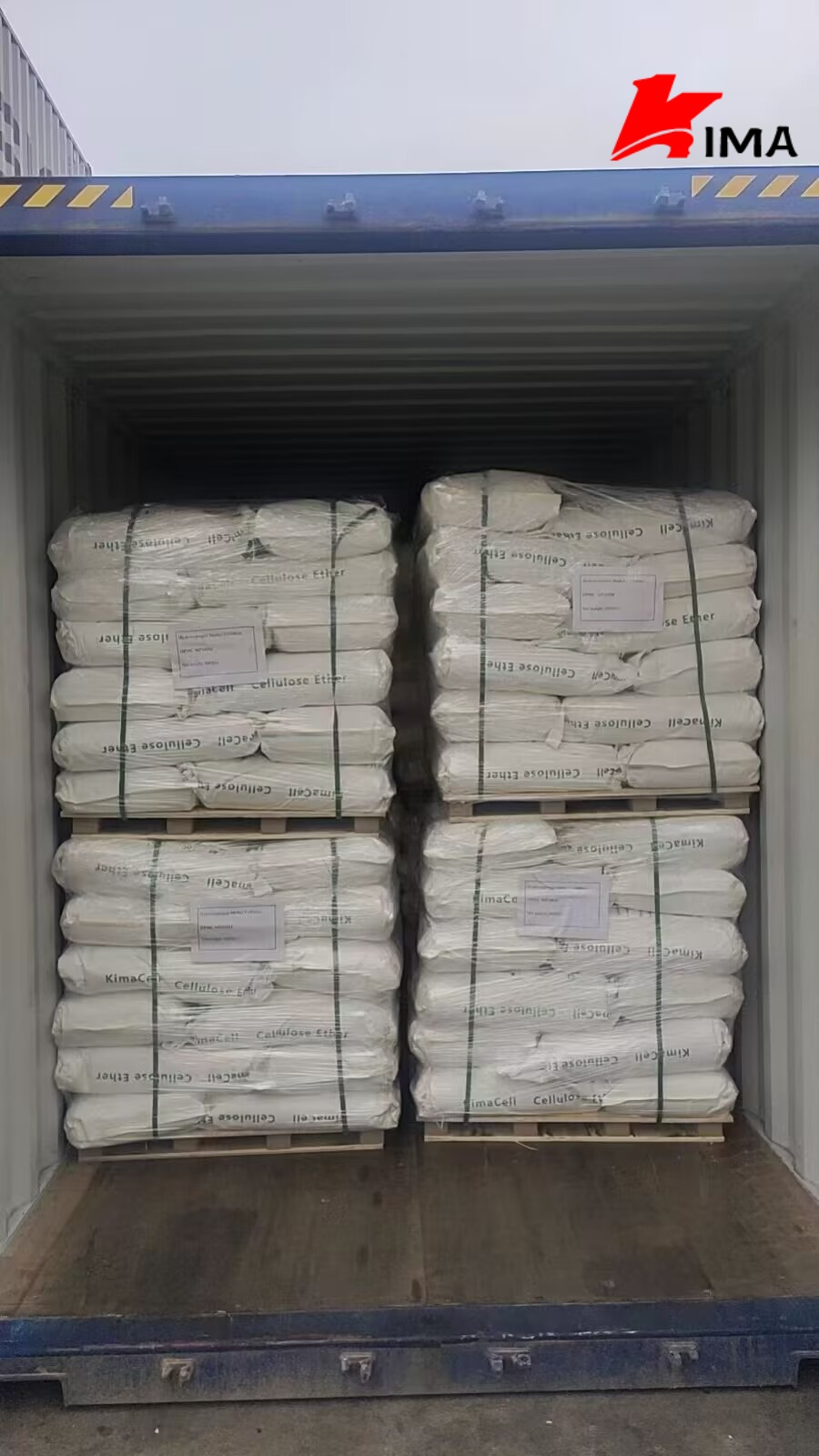
Thanks to its non-ionic structural stability, excellent thickening and water retention properties, and temperature adaptability, MHEC has become an important additive in today's building materials, coatings, and daily chemical industries. Its unique chemical properties allow it to provide excellent rheological, application, and durability performance in a variety of application systems, making it one of the preferred cellulose ether varieties to replace or partially replace HPMC.


 English
 日本語
日本語 français
 Deutsch
 Español
 العربية
 Türkçe
 italiano
 русский
 português
 Nederland