In architectural decoration and interior construction, gypsum joint filling putty is a commonly used material for base material repair and leveling. It features convenient application, excellent adhesion, and a fine surface finish. However, gypsum-based materials also suffer from issues such as susceptibility to shrinkage cracking, insufficient water resistance, and limited application time. To address these shortcomings, cellulose ether additives are widely used, with MHEC (methyl hydroxyethyl cellulose) being one of the most common choices. It not only improves the putty's application performance but also enhances its overall stability and durability.
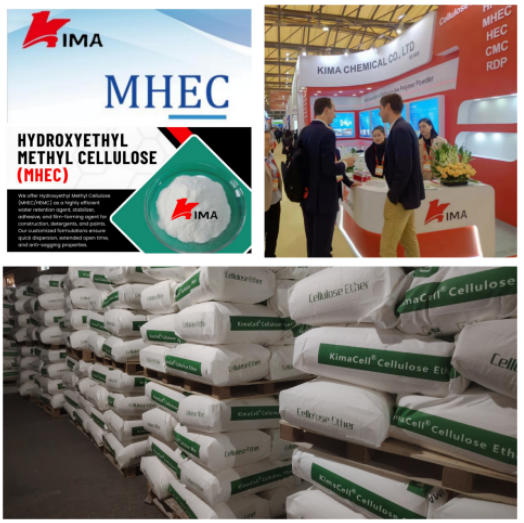
1. Basic Properties of MHEC
MHEC is a nonionic, water-soluble cellulose ether with the combined functions of thickening, water retention, film formation, and stabilization. Compared to HPMC, MHEC exhibits advantages in dissolution rate, solution clarity, and water retention, making it particularly suitable for putty systems requiring high application fluidity and water retention.
2. The Role of MHEC in Gypsum Joint Filling Putty
2.1. Improving Workability
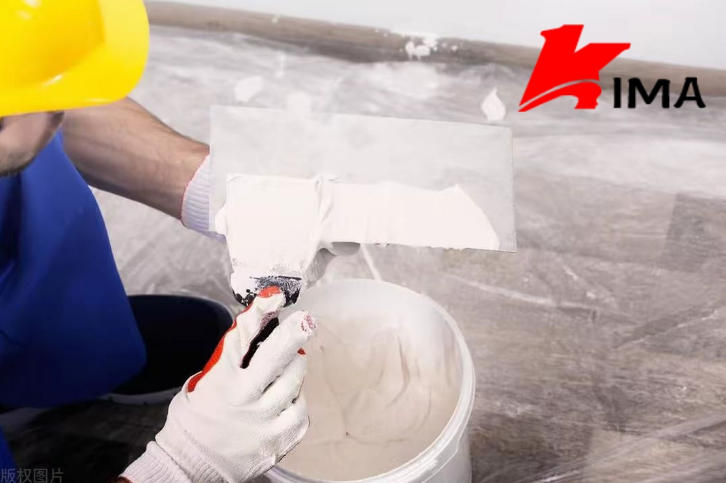
Gypsum joint filling putty requires excellent workability and fluidity during application. MHEC significantly improves the lubricity of the slurry, making application smoother and reducing friction between tools and the substrate. It also slows water evaporation, extending application time and providing workers with ample working space.
2.2. Enhancing Water Retention
Gypsum powder absorbs water rapidly. Excessive water loss can lead to insufficient initial strength or even powdering of the putty. MHEC forms a uniform protective film within the slurry, effectively locking in moisture and ensuring sufficient water supply to the gypsum during the hydration reaction, thereby improving strength and adhesion.
2.3. Controlling Shrinkage and Cracking
Gypsum putty is prone to shrinkage and cracking due to uneven hydration or rapid drying. MHEC's water retention and slow-release properties allow for even water release, preventing localized water loss and minimizing shrinkage, resulting in a more stable joint filling effect.
2.4. Improving Adhesion and Surface Quality
For wall repairs and joint treatment, putty must maintain good adhesion to the substrate. MHEC forms a flexible organic network within the slurry, improving adhesion between the slurry and the substrate, reducing hollowing and shedding. It also creates a smoother, finer surface, making it easier to polish and paint.
2.5. Improving Sagging Resistance
For vertical applications or thicker layers of caulking, putty tends to sag. MHEC enhances the slurry's sag resistance by increasing the system's viscosity and thixotropy, preventing it from drooping.
3. MHEC Dosage and Precautions
In gypsum caulking putty, the MHEC dosage is generally controlled at 0.2%-0.5% (relative to the total weight of the dry powder). Using too little MHEC may not fully achieve its water-retention and thickening properties, while using too much may result in a poor application feel and slow drying. The actual formula needs to be adjusted based on the ratio of gypsum powder, fillers, and other additives. At the same time, it's important to choose an MHEC product with the appropriate viscosity and degree of substitution:
Low-viscosity MHEC: Improved fluidity, suitable for scraping putty;
Medium-to-high-viscosity MHEC: Strong water retention, suitable for caulking and thick-layer application;
High-degree-of-substitution MHEC: Faster dissolution, resulting in a more transparent solution.
MHEC plays a vital role in gypsum caulking putty. It not only improves the putty's application performance but also enhances its water retention, adhesion, and crack resistance, effectively resolving many practical issues encountered with gypsum-based materials. As the architectural decoration industry continues to demand higher performance from materials, MHEC will become increasingly widely used, becoming an indispensable key additive in gypsum putty.


 English
 日本語
日本語 français
 Deutsch
 Español
 العربية
 Türkçe
 italiano
 русский
 português
 Nederland