Methyl hydroxyethyl cellulose (MHEC) is a high-performance cellulose ether widely used in dry-mix building materials such as cement-based mortar, self-leveling compound, tile adhesive, and putty powder. Its core value lies in the comprehensive functions of thickening, water retention, and improved workability achieved through the methyl and hydroxyethyl substituents in its molecular structure. The following is a systematic analysis from the perspective of its mechanism of action.
1. Thickening and Rheological Regulation Mechanism of MHEC
After dissolving, MHEC forms a three-dimensional network structure. The molecular chains bind with water molecules through hydrogen bonds, significantly increasing the viscosity of the system. This thickening process involves physical adsorption and network binding, effectively supporting the structural framework of freshly mixed mortar.
In mortar systems, MHEC can improve thixotropy, enhancing the fluidity of the mortar under shear and restoring viscosity upon standing, preventing sagging and bleeding. This is particularly crucial for tile adhesive, exterior wall putty, and self-leveling mortar. By adjusting different viscosity grades and degrees of substitution, the application feel and smoothness of the coating can be precisely controlled.
2. Water Retention Mechanism of MHEC
Water retention is one of the core functions of MHEC in cement-based materials.
Its mechanism mainly includes:
Water Absorption-Release Effect:MHEC molecular chains can adsorb a large amount of water, forming a hydration barrier around cement particles and delaying water evaporation.
Dense Film Formation:Cellulose ethers form a thin, continuous film inside the mortar, reducing capillary evaporation.
Increased System Viscosity:Increased viscosity weakens the movement rate of free water, thereby reducing bleeding.
Water retention significantly improves the cement hydration reaction, allowing it to proceed fully, improving early strength and durability, while preventing cracking and hollowing caused by water loss, especially effective in high-temperature construction and on highly absorbent substrates.
3. Delayed Setting and Improved Hydration Mechanism:
MHEC has a certain retarding effect on cement hydration, mainly due to its adsorption of cement particles. Cellulose molecules form an adsorption film on the surface of cement particles, hindering the diffusion of water into the particle interior and thus slowing down the hydration process.
This effect results in the following benefits:
Extending workability, allowing for more flexible mortar handling;
Preventing uneven strength caused by excessively rapid setting;
Improving the bonding strength of the mortar.
However, the degree of retardation by MHEC is affected by the degree of substitution, dosage, molecular weight, and type of cement, and can be controlled by optimizing the formulation.
4. Mechanism of Improving Mortar Bond Strength
Although MHEC itself does not possess adhesive properties, it enhances the adhesion of mortar to the substrate through multiple mechanisms:
Improving water retention, leading to more complete cement hydration and a denser hydrate structure.
Improving workability, allowing for full contact and spread between the mortar and the substrate, thereby enhancing mechanical bonding.
Improving cohesion, reducing mortar segregation and stratification.
Therefore, MHEC indirectly improves the bonding strength of mortar, especially in tile adhesives and repair mortars.
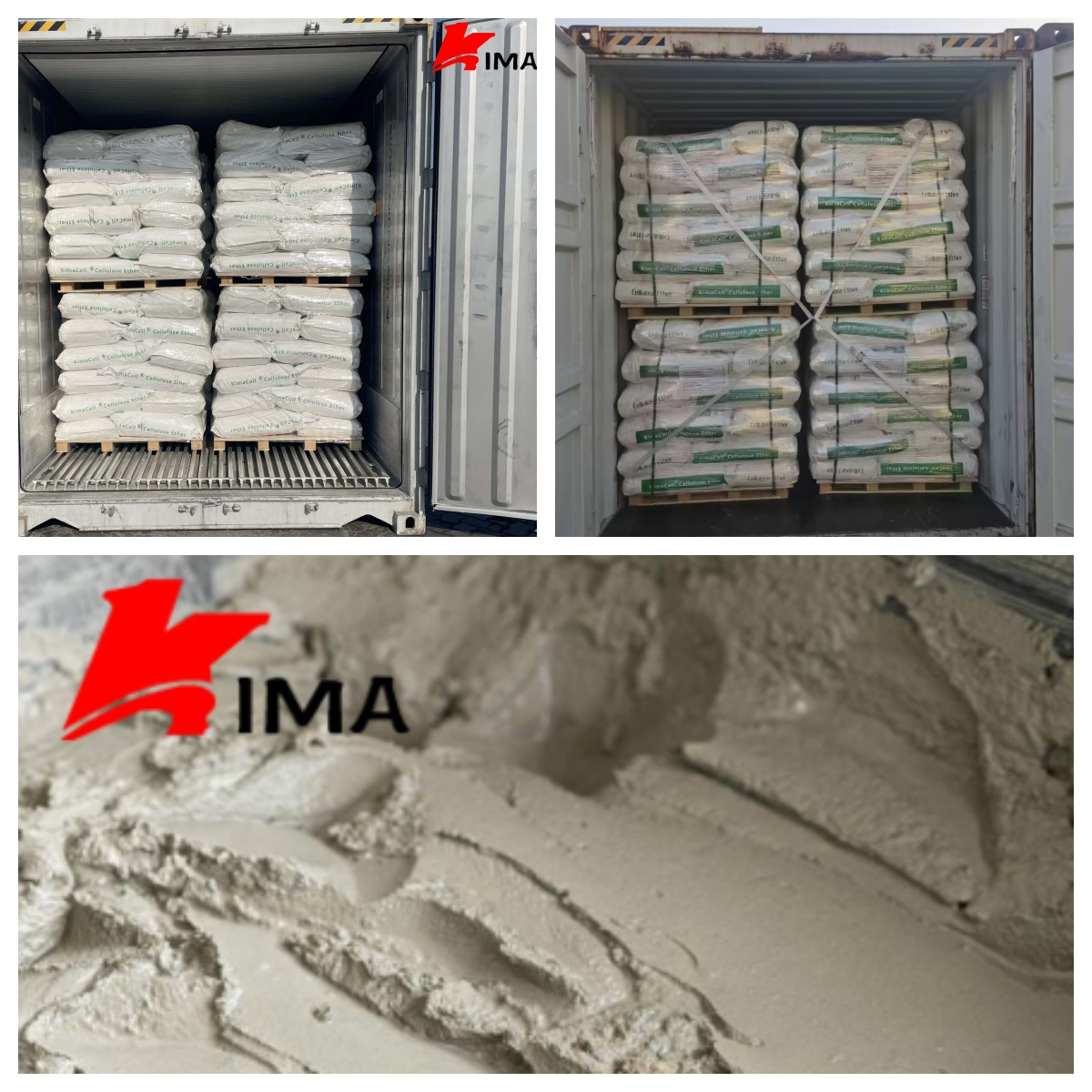
5. Enhanced Anti-Sagging and Anti-Slip Properties
In vertical surface applications such as tile adhesives and plastering mortars, the thixotropic and thickening properties of MHEC enhance the mortar's anti-sagging properties.
The mechanism is as follows: under static conditions, MHEC molecular chains rapidly recover viscosity, giving the mortar stability on vertical surfaces; under scraping shearing action, viscosity decreases, facilitating application.
6. Plasticizing and Workability Improvement Mechanism
MHEC improves mortar lubricity, making application smoother and scraping easier. This is due to the lubricating effect between its molecular chains and water molecules, reducing internal friction, improving mortar workability and surface shaping, and reducing application fatigue.


 English
 日本語
日本語 français
 Deutsch
 Español
 العربية
 Türkçe
 italiano
 русский
 português
 Nederland