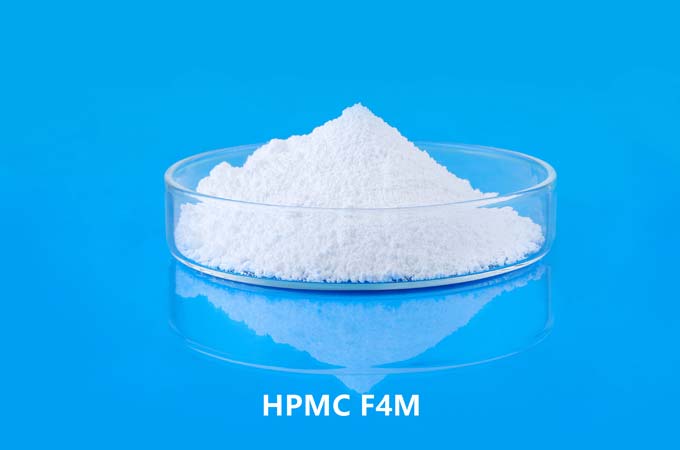
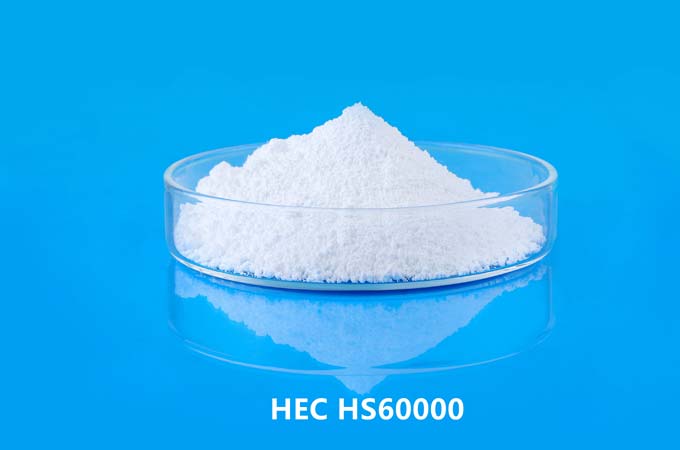
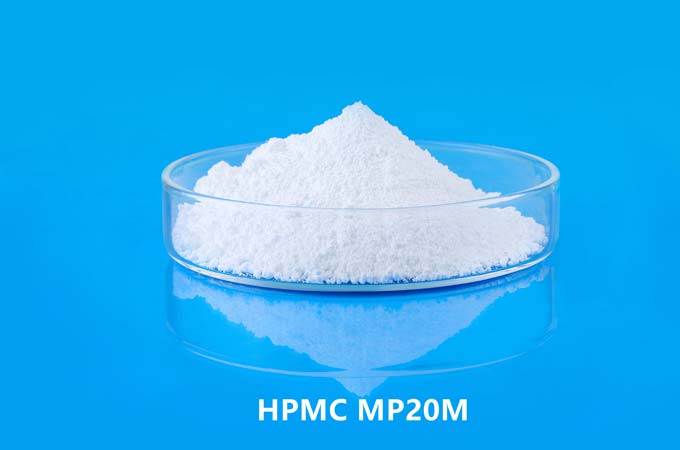
Hydroxypropyl methylcellulose (HPMC), an important water-soluble cellulose ether, is widely used in building materials. Especially in waterproof mortar, HPMC plays an irreplaceable key role, affecting not only the mortar's workability but also directly influencing the stability and durability of the waterproofing effect.
1. Improving the Water Retention of Mortar
During the construction of waterproof mortar, proper moisture retention is crucial to the mortar's workability and final performance. HPMC has significant water retention properties; it forms a uniform colloidal network structure within the mortar, slowing down the rate of water evaporation and ensuring suitable humidity during construction and initial setting. This not only facilitates the full hydration reaction of cement and other binding materials, improving mortar strength, but also prevents cracking or damage to the waterproof membrane caused by excessive water loss, thereby enhancing the stability of the waterproofing performance.
2. Improving the Workability of Mortar
Waterproof mortar construction typically requires ease of application, leveling, and strong adhesion. HPMC increases the viscosity and plasticity of mortar, giving it excellent anti-segregation and anti-bleeding properties. During construction, the mortar remains uniform, has strong adhesion, and facilitates smoothing and shaping operations. Simultaneously, the colloidal properties of HPMC allow the mortar to maintain its shape during construction, reducing collapse or sagging and improving construction efficiency and quality.
3. Enhanced Crack Resistance of Mortar
Waterproof mortar is prone to shrinkage cracks during drying and curing, which severely affects its waterproofing performance. HPMC, through its microcolloid network, can evenly distribute stress within the mortar, alleviating stress concentration caused by moisture evaporation and cement shrinkage, thus effectively reducing the risk of cracking. Furthermore, HPMC improves the adhesion between the mortar and the substrate, making the mortar adhere more firmly to the base surface and further reducing cracks caused by base surface stress.
4. Improved Mortar Durability
The presence of HPMC not only works during the construction phase, but its long-term effects are also very significant. HPMC's water retention and stable colloidal structure promote full cement hydration, improve mortar density, and reduce porosity, thereby enhancing the impermeability and water resistance of waterproof mortar. Under long-term external environmental conditions, such as temperature fluctuations, humidity changes, or alternating periods of dryness and humidity, HPMC maintains the stability of the mortar's internal microstructure, ensuring the waterproof layer retains its excellent waterproofing effect over the long term.
5. Synergistic Effects with Other Additives
Modern waterproof mortars often incorporate polymer emulsions, bentonite, quartz sand, and other materials. HPMC exhibits good compatibility and can create synergistic effects with these materials. For example, HPMC combined with polymer emulsions can further improve the mortar's adhesion and flexibility; combined with bentonite, it can enhance the waterproof mortar's impermeability. Its excellent dispersibility also ensures uniform distribution of all components in the mortar, improving overall performance.
6. Improved Mortar Storage Stability
HPMC can significantly improve the storage stability of waterproof mortar in its dry powder state. Its hygroscopic and flow-regulating properties prevent mortar from clumping, settling, or segregating during storage, ensuring that dry-mix mortar maintains good fluidity and workability before use.
HPMC plays multiple key roles in waterproof mortar, including water retention, thickening, improved workability, crack resistance, enhanced durability, and storage stability. It not only improves the ease of application and adhesion of the mortar during construction but also ensures the reliability and durability of the waterproof layer over long-term use. With the development of building waterproofing technology, the application of HPMC in waterproof mortar will become more widespread, playing an increasingly important role in formulation optimization and functional enhancement.


 English
 日本語
日本語 français
 Deutsch
 Español
 العربية
 Türkçe
 italiano
 русский
 português
 Nederland