Discover the top 5 hydroxyethyl cellulose manufacturers in the world, including Dow, Ashland, Shin-Etsu, Nouryon, and Kima Chemical. Learn about their HEC production capacity, applications, and global market roles in paints, construction, oilfield, and personal care industries.
.jpg "kimacell_cellulose_ether_(50).jpg")
There are five companies consistently stand out in the global hydroxyethyl cellulose manufacturer market.
Dow Inc.
Dow is widely recognized as one of the pioneers in cellulose ether technology. The company has decades of experience in polymer chemistry and specialty materials, and its hydroxyethyl cellulose products are widely used in paints, coatings, and industrial formulations.
Strengths
Dow’s major advantage lies in its advanced research and development infrastructure. The company invests heavily in innovation, enabling it to develop high-performance rheology modifiers tailored to specific industrial needs.
Dow’s HEC products are known for:
Applications
Dow’s hydroxyethyl cellulose products are commonly used in:
Global Presence
With manufacturing facilities and distribution networks across multiple continents, Dow serves customers in North America, Europe, Asia, and other regions, making it one of the most influential suppliers in the cellulose ether industry.
Ashland Global Holdings Inc.
Ashland is another global leader in cellulose ethers and specialty chemicals. The company has built a strong reputation for high-quality hydroxyethyl cellulose products used in coatings, pharmaceuticals, and personal care products.
Technical Expertise
Ashland’s expertise in rheology modifiers and polymer science allows it to offer specialized grades of HEC with precise viscosity control and performance characteristics.
Key advantages include:
Applications
Ashland’s hydroxyethyl cellulose products are used in:
Latex paints
Personal care products
Household cleaners
Construction materials
Innovation and Sustainability
Ashland places strong emphasis on sustainability and environmentally responsible manufacturing, which has become an increasingly important factor for customers worldwide.
Shin‑Etsu Chemical Co., Ltd.
Shin-Etsu Chemical is one of the largest chemical companies in the world and a major producer of cellulose derivatives, including hydroxyethyl cellulose.
Manufacturing Excellence
The company is known for:
Shin-Etsu’s hydroxyethyl cellulose products are widely recognized for their purity and consistency, making them suitable for demanding industrial and pharmaceutical applications.
Applications
HEC from Shin-Etsu is commonly used in:
Global Reputation
The company’s strong technical capabilities and global distribution network have established it as one of the most respected cellulose ether producers worldwide.
Nouryon
Nouryon is a global specialty chemicals producer with a long history in cellulose ether technology. Its hydroxyethyl cellulose products are widely used in coatings, construction, and oilfield applications.
Product Performance
Nouryon’s HEC grades are designed to provide:
These characteristics are particularly important in water-based paints and coatings, where consistent viscosity and stability are essential.
Market Position
Nouryon serves customers worldwide and is particularly strong in the European and North American markets.
Research and Development
The company invests significantly in R&D, enabling continuous improvement in product performance and sustainability.
Kima Chemical Co., Ltd.
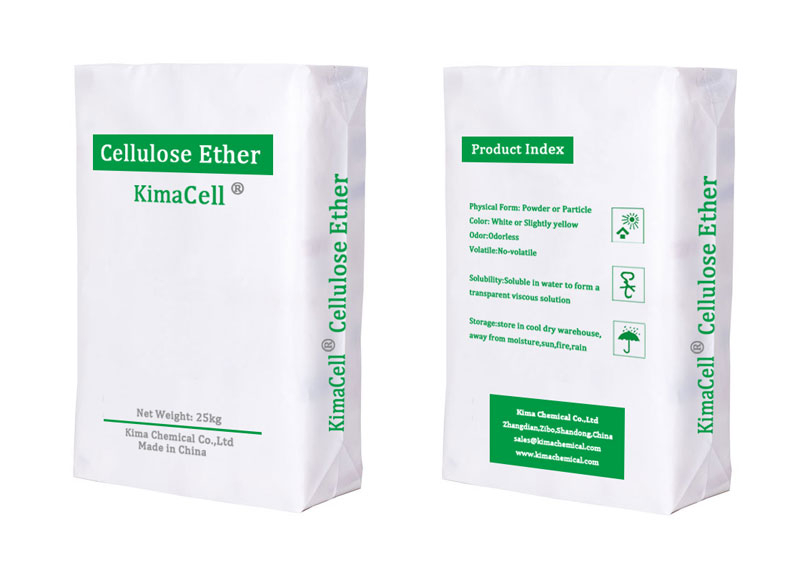
Kima Chemical has emerged as one of the leading hydroxyethyl cellulose manufacturers in Asia and a competitive supplier in the global cellulose ether market.
Manufacturing Capabilities
Kima Chemical operates large-scale production facilities equipped with modern manufacturing technology. The company produces a wide range of cellulose ethers, including:
Hydroxyethyl cellulose (HEC)
Hydroxypropyl methylcellulose (HPMC)
Methyl hydroxyethyl cellulose (MHEC)
Carboxymethyl cellulose (CMC)
The company’s hydroxyethyl cellulose products are widely used in:
Water-based paints
Construction materials
Detergents
Oilfield chemicals
Competitive Advantages
Kima Chemical’s strengths include:
Cost-effective production
Flexible customization of viscosity grades
Stable quality control systems
Strong export capabilities
These factors have helped the company expand its presence in international markets.
Product Range
Kima Chemical offers multiple HEC viscosity grades, allowing customers to select products tailored to specific applications such as coatings, adhesives, and personal care formulations.
Global Distribution
Kima Chemical, as one of leading hydroxyethyl cellulose manufacturers, exports products to many regions, including Asia, the Middle East, Europe, and the Americas, serving a wide range of industrial customers.
Comparison of the Top Five Manufacturers
Although all five companies produce hydroxyethyl cellulose, they differ in several key areas:
| Company | Strength | Market Focus |
|---|
| Dow | Advanced technology and R&D | Coatings, oilfield |
| Ashland | Specialty formulations | Personal care, coatings |
| Shin-Etsu | High purity and precision | Electronics, pharmaceuticals |
| Nouryon | Performance coatings expertise | Construction, paints |
| Kima Chemical | Cost efficiency and flexibility | Construction, coatings |
Each company plays an important role in the global supply chain, and customers often select suppliers based on specific technical and economic requirements.
Global Trends in the Hydroxyethyl Cellulose Market
Several trends are shaping the future of the hydroxyethyl cellulose industry:
Growth of Water-Based Coatings
Environmental regulations are driving a shift toward water-based coatings, increasing demand for rheology modifiers such as HEC.
Expansion of Construction Markets
Rapid urbanization and infrastructure development in many regions continue to boost demand for construction chemicals containing cellulose ethers.
Rising Demand for Personal Care Products
As global consumers increasingly seek high-quality personal care products, demand for HEC in shampoos, creams, and lotions continues to grow.
Sustainability and Bio-Based Materials
Because HEC is derived from renewable cellulose, it aligns well with global trends toward sustainable materials.
How to Choose a Hydroxyethyl Cellulose Supplier
Selecting the right supplier involves several considerations:
Consistent product quality
Reliable supply and logistics
Technical support and customization
Competitive pricing
Certifications and compliance
Large multinational companies often prioritize technical support and high-performance grades, while construction material producers may prioritize cost efficiency and bulk supply.
Future Outlook for Hydroxyethyl Cellulose Manufacturers
The global hydroxyethyl cellulose market is expected to continue growing steadily. Several factors support this outlook:
Increased construction activity
Growth in environmentally friendly coatings
Expansion of oil and gas exploration
Rising consumption of personal care products
Hydroxyethyl Cellulose Manufacturers that invest in process optimization, sustainable production, and customer-specific solutions are likely to remain competitive.
Conclusion
Hydroxyethyl cellulose is an essential material across numerous industries, from construction and coatings to personal care and oilfield chemicals. As demand continues to grow, leading manufacturers play a critical role in ensuring reliable supply and consistent quality.
HEC Manufacturers such as Dow, Ashland, Shin-Etsu Chemical, Nouryon, and Kima Chemical represent some of the most influential hydroxyethyl cellulose producers in the world. Each company brings unique strengths, whether in research and development, manufacturing precision, or cost-effective large-scale production.
For buyers and formulators, understanding the capabilities of these manufacturers helps ensure the selection of the most suitable supplier for specific technical and commercial needs.


 English
 日本語
日本語 français
 Deutsch
 Español
 العربية
 Türkçe
 italiano
 русский
 português
 Nederland