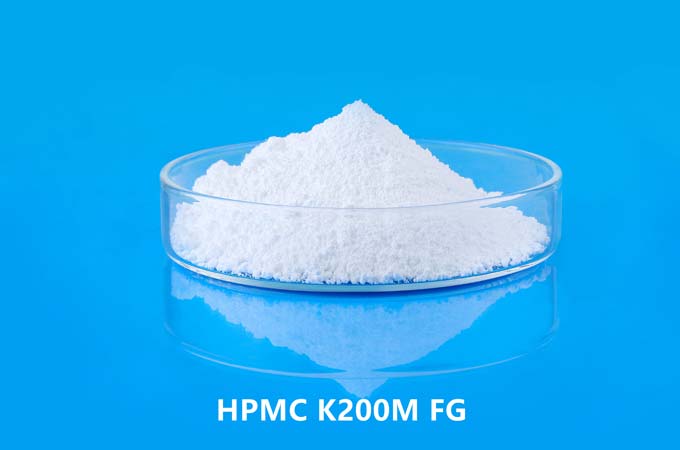
Hydroxypropyl methylcellulose (HPMC), a nonionic cellulose ether, is an essential additive in tile grouts. Its unique chemical structure and multiple physical properties make it crucial for improving workability, enhancing bond strength, slowing hydration, and enhancing crack and impermeability. HPMC not only significantly improves the workability of grouts but also enhances the durability and aesthetics of finished products, making it one of the most valuable functional additives in modern high-performance grouting materials.

Improving Workability and Water Retention
Tile grouts typically consist of cement, quartz sand, pigments, and various additives. During application, they require a moderate consistency and good fluidity. HPMC provides excellent thickening and water retention in the system, enabling the grout to form a uniform paste after mixing, preventing segregation and water separation. By forming a polymer film on the surface of cement particles, HPMC effectively slows the evaporation of mixing water, thereby ensuring sufficient hydration of the cement. This not only improves the controllability of construction time but also ensures that the caulking maintains excellent workability and surface smoothness even in hot or dry environments.
Improved Bond Strength and Crack Resistance
After drying, the polymer chains of HPMC form a flexible network structure within the caulking. This structure effectively absorbs stress and reduces the risk of cracks caused by thermal expansion and contraction or substrate displacement. HPMC also enhances the adhesion of the caulking to the tile edges and substrate, making the caulking layer tighter and more secure. Good adhesion not only ensures a tight seal but also extends the service life of the entire paving system. The flexibility of HPMC is particularly important for preventing later cracking in large-scale tile or exterior wall construction.
Controlling Cement Hydration Rate and Improving Density
HPMC regulates the hydration process of cement systems. Its molecules adsorb onto the surface of cement particles, slowing the diffusion of water into the interior and thus moderately delaying the setting time. This retarding effect allows construction workers more time to work, facilitating repairs and compaction of gaps. During the hardening process, HPMC improves the rheological properties of the slurry, promoting a more uniform distribution of cement particles. This ultimately creates a denser caulking structure, improving the finished product's resistance to seepage and contamination.
Enhanced Water Resistance and Penetration Resistance
In humid environments or those exposed to prolonged water exposure, the waterproofing of caulking agents is particularly critical. HPMC possesses certain hydrophobic properties, forming a continuous waterproof film within the system, preventing water from penetrating the internal structure. This molecular film not only enhances the material's impermeability but also effectively prevents the precipitation of soluble salts within the cement matrix, thereby avoiding efflorescence and discoloration. This property is particularly important in high-humidity spaces such as kitchens, bathrooms, and balconies.
Improved Slippage and Anti-Slip Properties
Thanks to the lubricating effect of HPMC, the caulking agent exhibits improved gliding and compaction properties during application, making caulking easier and smoother. After caulking, the surface is easy to smooth and clean, and it resists sticking to tile surfaces. HPMC also enhances the material's thixotropy—its increased fluidity when stirred or squeezed, and its ability to quickly return to a viscous state when still—effectively preventing the caulk from slipping or leaking, ensuring a smooth, full-faced joint.

Improving Finished Product Appearance and Long-Term Stability
High-quality caulks require not only excellent mechanical properties but also uniform color and a smooth surface. HPMC prevents color variations caused by uneven pigment dispersion, ensuring a consistent caulking layer with a smooth surface. Furthermore, its film-forming properties create a fine surface layer after curing, enhancing stain resistance and crack resistance, maintaining the overall aesthetic appearance of the tile. Over long-term use, caulks containing HPMC resist humidity fluctuations, thermal stress, and minor mechanical vibration, demonstrating excellent durability.
HPMC plays multiple key roles in tile caulks: as a thickener, water-retaining agent, workability modifier, and crack-resistance enhancer. By improving the slurry structure and application characteristics, it significantly enhances the caulk's ease of handling, film density, and service life. With the growing demand for high-performance environmentally friendly materials in the building decoration industry, the technical advantages of HPMC will be further highlighted, and its application potential in new caulking systems such as high-end waterproofing, flexibility, and caulking will continue to expand.


 English
 日本語
日本語 français
 Deutsch
 Español
 العربية
 Türkçe
 italiano
 русский
 português
 Nederland