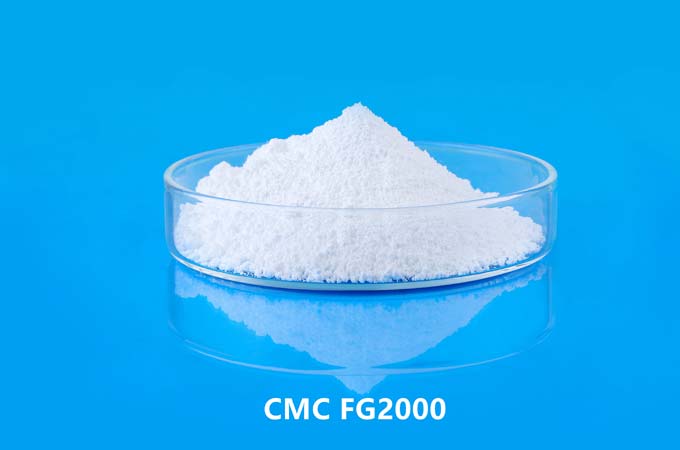
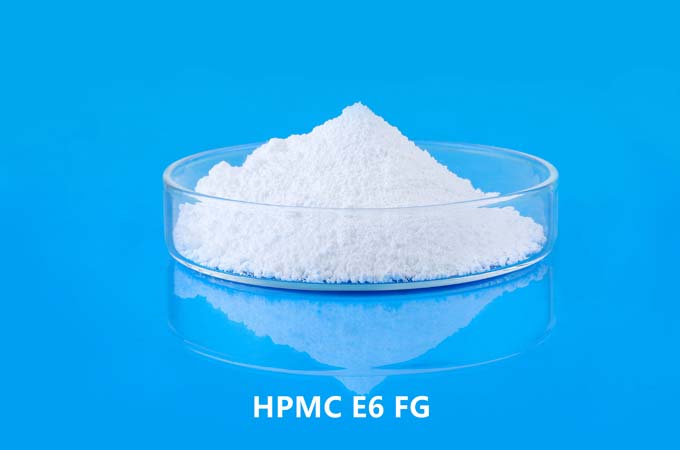
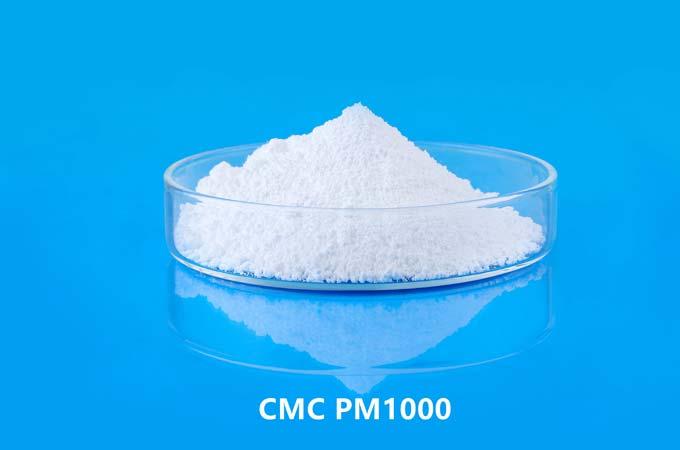
Hydroxyethylcellulose (HEC) is a nonionic, water-soluble cellulose ether widely used in the oilfield industry for its excellent thickening, water-retention, suspension, emulsification, and stabilization properties. Oilfield-grade HEC, in particular, undergoes specialized production and purification processes, boasting a high degree of substitution, excellent salt tolerance, and adaptability to high-temperature and high-pressure environments. This makes it an indispensable additive in drilling fluids, completion fluids, and fracturing fluids.

1. Applications in Drilling Fluids
Drilling fluids are the lifeblood of the oilfield extraction process, requiring them to simultaneously cool the drill bit, carry cuttings, stabilize the wellbore, and provide lubrication. Oilfield-grade HEC primarily functions as a thickener and rheology modifier in drilling fluids. The spatial network structure formed by its molecular chains in aqueous solution significantly increases the viscosity and sand-carrying capacity of the drilling fluid, ensuring smooth removal of cuttings from the wellhead. HEC's non-ionic properties ensure excellent solubility and viscosity stability in high-salinity and hard-water environments, effectively preventing drilling fluid performance degradation and improving drilling efficiency and safety.
2. Application in Completion Fluids
Completion fluids are used to protect the wellbore, remove impurities from the wellbore, and maintain wellbore stability after drilling is completed. Oil-production-grade HEC serves as an ideal thickener in completion fluids, enhancing the fluid's suspension capacity and reducing solid particle settling. Furthermore, it minimizes formation damage and produces low fluid loss, helping to maintain the permeability of oil and gas reservoirs and ensuring smooth crude oil recovery. Furthermore, HEC solutions exhibit excellent transparency and fluidity, making them easy to combine with other additives to enhance the overall performance of completion fluids.
3. Application in Fracturing Fluids
Hydraulic fracturing is a key technology for increasing the productivity of low-permeability oil and gas reservoirs. Oil-production-grade HEC can serve as the primary thickener in fracturing fluids, ensuring sufficient sand-carrying capacity and effectively delivering proppant deep into fractures. Compared to traditional guar gum, HEC offers advantages such as faster dissolution, stronger shear stability, and reduced residue. This not only improves fracture conductivity but also reduces reservoir damage. HEC exhibits exceptional stability, particularly in high-temperature and high-pressure environments, providing a reliable chemical foundation for the development of deep wells and unconventional oil and gas resources.
4. Performance Advantages
High Salt Tolerance: The hydroxyethyl substituents in the HEC molecule enhance its solubility and stability in high-salinity environments.
High Viscosity Efficiency: Significant thickening can be achieved at a relatively low addition rate, reducing operating costs.
Environmentally Friendly: HEC is derived from natural cellulose and is biodegradable, meeting environmental requirements.
Wide Adaptability: It can be used in combination with a variety of additives to meet the needs of diverse oilfield conditions.
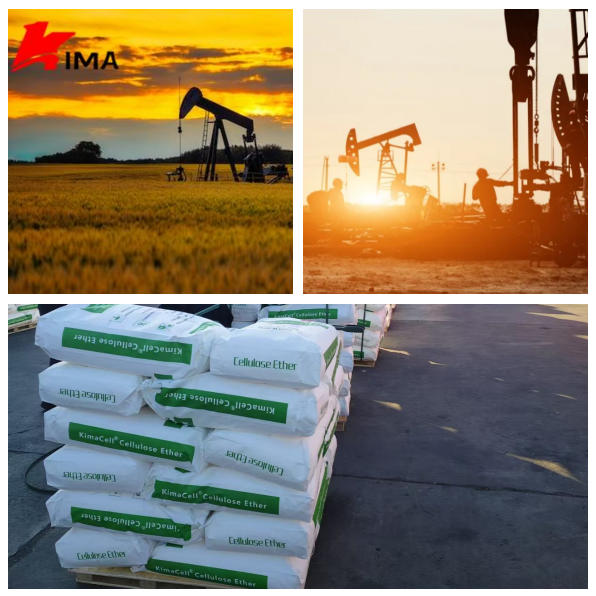
5. Development Trends
As oil extraction technology continues to expand into deep, high-temperature, high-salinity, and unconventional oil and gas resources, the performance requirements for oil-grade HEC are also increasing. Future development directions include: modifying HEC to enhance its heat and shear resistance; reducing residue and fluid loss through process optimization; and developing novel systems compounded with nanomaterials and smart polymers to further enhance oil and gas recovery. Furthermore, with increasingly stringent environmental protection requirements, green and sustainable HEC products will also have broader application prospects.
Oil recovery-grade HEC, with its excellent rheological control, salt stability, and environmentally friendly properties, has become an irreplaceable and essential component of oilfield chemical systems. Whether in drilling, completion, or fracturing processes, it plays a key role in improving oil and gas recovery efficiency and reducing environmental impact. It is foreseeable that with the continued development of the oil industry and the pursuit of green production, HEC will demonstrate even greater application value in the oil recovery sector.


 English
 日本語
日本語 français
 Deutsch
 Español
 العربية
 Türkçe
 italiano
 русский
 português
 Nederland