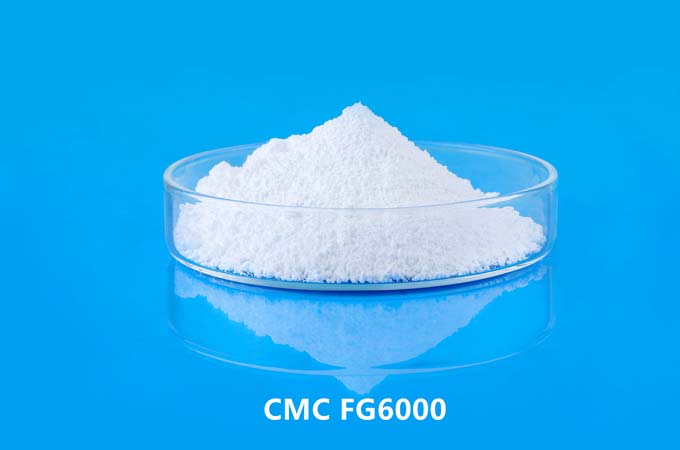
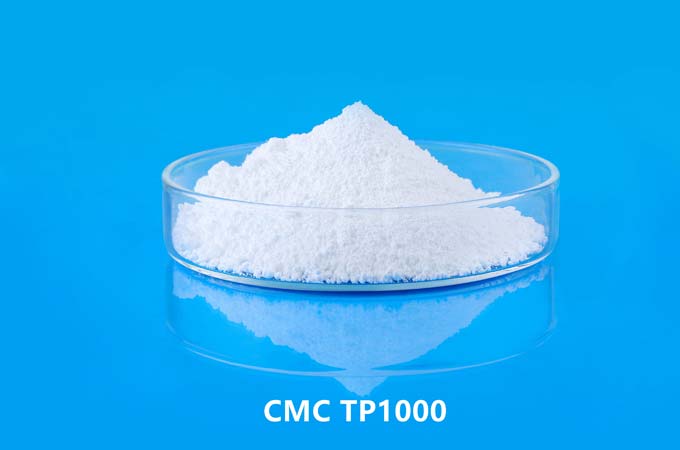
Carboxymethyl Cellulose (CMC) is a water-soluble high-molecular compound, which is produced by the etherification reaction of natural cellulose. Due to its excellent thickening, dispersing, water retention, film-forming and stabilizing properties, CMC plays a significant role in the papermaking industry and is one of the indispensable additives for improving paper quality and enhancing production processes.
The main role of CMC in the papermaking process
1.1. Improve the dispersibility of pulp
During the pulping and pulping processes in papermaking, pulp fibers are prone to agglomeration, which affects the uniformity of paper formation. After adding CMC, the carboxymethyl negative ions it carries can charge the surface of the fibers, thereby enhancing the electrostatic repulsion between the fibers and making the distribution of the fibers in water more uniform. This effect can effectively improve the uniformity of the paper page structure, enhance the smoothness and strength of the paper.
1.2. Enhance dry and wet strength
CMC can form hydrogen bonds with cellulose molecules, thereby increasing the binding force between fibers and enhancing the dry strength of paper. Especially in the production of high-strength paper or printing paper, CMC can partially replace dry strength agents. In addition, its water retention and flexibility can also enhance the wet strength of the paper, making it less likely to be damaged in a wet state.
1.3. Improve the performance of the coating layer
In the production of coated paper, CMC is often used as a dispersant, thickener and binder in the coating solution. It can enhance the stability of pigment dispersion and prevent sedimentation or coagulation. At the same time, the rheological properties of the coating solution are adjusted to form a dense and smooth surface of the coating layer after drying, thereby improving the gloss and printability.
1.4. Control the water absorption and moisture retention performance of the paper
CMC has excellent water retention and can regulate the water absorption rate and surface tension of paper. In special types of paper (such as writing paper and food packaging paper), adding an appropriate amount of CMC can prevent the paper from absorbing excessive water and deforming, while maintaining its flexibility.
1.5. Improve retention and filtration performance
During the papermaking process, fine fibers and fillers are prone to be lost with water. When CMC is used in combination with cationic retention AIDS, it can form an efficient flocculation system, increase the retention rate of fine components, improve the dewatering performance of the pulp, thereby enhancing the operating efficiency of the paper machine and saving raw materials.
Typical applications of CMC in different papermaking processes
2.1. In the pulp preparation stage
CMC can be used as a fiber dispersion stabilizer to promote the uniform distribution of fibers after pulping, improve the suspension property of the slurry, and reduce the agglomeration of the slurry. At the same time, it can also prevent the pulp from sticking or delaminating during long-term storage.
2.2. In the production of coated paper
Coated paper needs to have a smooth surface and good printing performance. CMC can be used in combination with starch, PVA, Latin gum, etc. in coating formulations to enhance the adhesion between pigments and base paper, reduce powdering, and make the paper surface more fine and uniform.
2.3. In specialty paper and functional paper
For special paper that requires high transparency, high gloss or oil and water resistance, CMC can be used in combination with other modifiers to form a dense surface protective layer, improving the paper's impermeability and printing adaptability.
2.4. In the field of recycled paper and eco-friendly papermaking
The biodegradability and environmental friendliness of CMC make it highly suitable for green papermaking systems. It can improve the redispersion performance of recycled pulp, reduce the contamination of equipment by adhesives (such as "adhesives"), and at the same time help enhance the surface strength and smoothness of recycled paper.
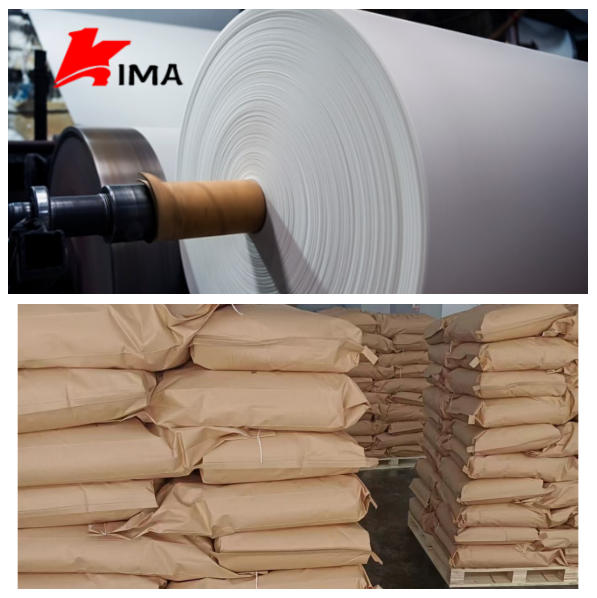
Performance advantages of CMC in papermaking
3.1. Excellent thickening and rheological regulation properties
CMC can significantly improve the fluidity of pulp and coating liquid, making the pulp easier to control and coat evenly, and reducing the defect rate on the paper surface. The viscosity of its solution can be adjusted by the degree of substitution and molecular weight to meet the requirements of different types of paper.
3.2. Good film-forming property and adhesion
Forming a uniform and dense film on the surface of the paper helps to enhance its gloss, strength and wear resistance. The presence of hydroxyl groups and carboxymethyl groups in its molecular structure enables it to have a synergistic effect with cellulose, pigments or other additives.
3.3. Environmental protection and renewable characteristics
CMC is derived from natural cellulose and can be completely biodegraded, without causing secondary pollution to the environment. It meets the requirements of green and sustainable development in modern papermaking industry.
3.4. Strong compatibility and wide application
CMC can be compounded with various cationic or nonionic additives for use. It is not only suitable for ordinary printing paper and coated paper, but also widely applied in the production of high-value-added paper types such as decorative paper, filter paper and capacitor paper.
CMC has irreplaceable functional value in the papermaking industry. It not only improves the dispersibility and retention of pulp, but also significantly enhances the strength, smoothness and printing performance of paper. With the development of green papermaking and functional paper, the application of CMC will become more extensive, and its potential in high-performance paper and specialty paper fields will also be continuously explored. Through scientific formulas and process optimization, CMC will continue to assist the papermaking industry in moving towards high quality and environmental protection.


 English
 日本語
日本語 français
 Deutsch
 Español
 العربية
 Türkçe
 italiano
 русский
 português
 Nederland