Hydroxyethyl Cellulose (HEC) is a versatile, non-ionic cellulose ether widely used across multiple industries. Known for its water solubility, viscosity modification, and film-forming abilities, HEC has become an essential additive in construction, personal care, home care, oilfield, and specialty chemical applications.
HEC powder is valued for:
Rheology modification – improving flow and consistency
Water retention – maintaining moisture and workability in products
Stabilization – suspending particles and additives uniformly
Film formation – adding gloss, protection, or controlled drying
Understanding the uses and benefits of HEC powder allows formulators and manufacturers to optimize performance, reduce production issues, and innovate in their respective industries. This article explores HEC from chemical structure, functional properties, industrial applications, and market insights, providing a complete guide for its usage.

Chemical Structure and Properties of HEC Powder
1.1 Molecular Structure
Derived from cellulose, HEC is modified with hydroxyethyl groups.
The non-ionic nature makes it compatible with a wide range of surfactants and salts.
1.2 Functional Properties
Water solubility: dissolves easily in cold and hot water
Thickening ability: adjustable viscosity through grade selection
Suspension stabilization: prevents sedimentation in liquid systems
Film-forming capability: creates protective, smooth layers in coatings and adhesives
1.3 Viscosity Grades
Low, medium, and high viscosity powders
Selection depends on application requirements, from light-thickening liquids to high-viscosity pastes
HEC Powder in Construction Applications
2.1 Mortars and Tile Adhesives
Improves water retention, prolonging open time
Enhances workability and spreadability
Reduces segregation of fillers and aggregates
2.2 Plasters and Wall Putty
Provides smooth, uniform surfaces
Prevents cracking and shrinkage during curing
Ensures consistent thickness and finish quality
2.3 Self-Leveling Compounds
HEC helps maintain homogeneous flow
Ensures even thickness and smooth surface finish
Improves pumping efficiency in large-scale projects
2.4 Cement-Based Coatings
Controls rheology and water retention
Enhances adhesion and durability
Reduces labor time and improves aesthetic appeal
HEC in Home Care Products
3.1 Liquid Detergents and Cleaning Gels
Acts as a viscosity modifier for consistent pouring
Stabilizes suspensions of abrasives, fragrances, or active agents
Prevents foam collapse in hard water
3.2 Dishwashing Liquids
3.3 Polishes and Surface Cleaners
Forms smooth, protective films
Prevents streaking and uneven drying
Improves cleaning performance and surface gloss
HEC in Personal Care and Cosmetics
4.1 Creams and Lotions
Provides thickening and stability
Enhances spreadability and smooth application
Stabilizes emulsions against separation
4.2 Hair Care Products
Improves viscosity in shampoos and conditioners
Stabilizes suspensions of active ingredients
Enhances product feel and application experience
4.3 Gels and Topical Solutions
Forms transparent, smooth gels
Controls drying rate and film formation on skin
Compatible with a wide range of surfactants and active agents
HEC in Oilfield Applications
5.1 Drilling Fluids
Adjusts rheology and viscosity
Stabilizes suspensions of solids
Improves wellbore stability and reduces fluid loss
5.2 Completion and Workover Fluids
Enhances thermal stability of fluids
Improves suspension and transport of additives
Provides lubrication and protective films
5.3 Environmental and Safety Advantages
Biodegradable and non-toxic
Compatible with water-based fluid systems
Reduces environmental impact of drilling operations
HEC in Pharmaceuticals
Stabilizes suspensions and emulsions
Controls viscosity for oral, topical, or ophthalmic formulations
Enhances drug delivery and stability

Functional Mechanisms of HEC Powder
7.1 Rheology Modification
Adjusts flow and consistency in powders, pastes, and liquids
Prevents sedimentation or phase separation
7.2 Water Retention
7.3 Film Formation
7.4 Suspension Stabilization
Keeps solids uniformly dispersed in liquid systems
Essential in detergents, paints, and drilling fluids
Selecting the Right HEC Grade
Low Viscosity: detergents, personal care, pharmaceutical gels
Medium Viscosity: tile adhesives, mortars, and wall putty
High Viscosity: self-leveling compounds, high-performance mortars, oilfield fluids
Factors to consider:
Industrial Best Practices for HEC Use
1. Pre-dispersion: reduces lump formation
2. Proper stirring: ensures uniform hydration
3. Temperature control: prevents degradation
4. Compatibility testing: ensures performance with surfactants, fillers, and active ingredients
5. Storage considerations: keep dry and avoid moisture absorption
Market Trends and Applications Insights
Rising demand in eco-friendly building materials
Expanding use in personal care and home care products
Growth in oilfield drilling fluid applications
Innovations in pre-dispersed and surface-modified HEC powders
Case Studies and Examples
11.1 Tile Adhesive Industry
11.2 Liquid Detergent Formulations
11.3 Oilfield Drilling Fluids
11.4 Personal Care Products
Future of HEC Powder
Development of higher-performance, surface-modified HEC
Integration with smart formulations for controlled release and multi-functional performance
Expanding demand in sustainable construction, eco-friendly home care, and green oilfield operations
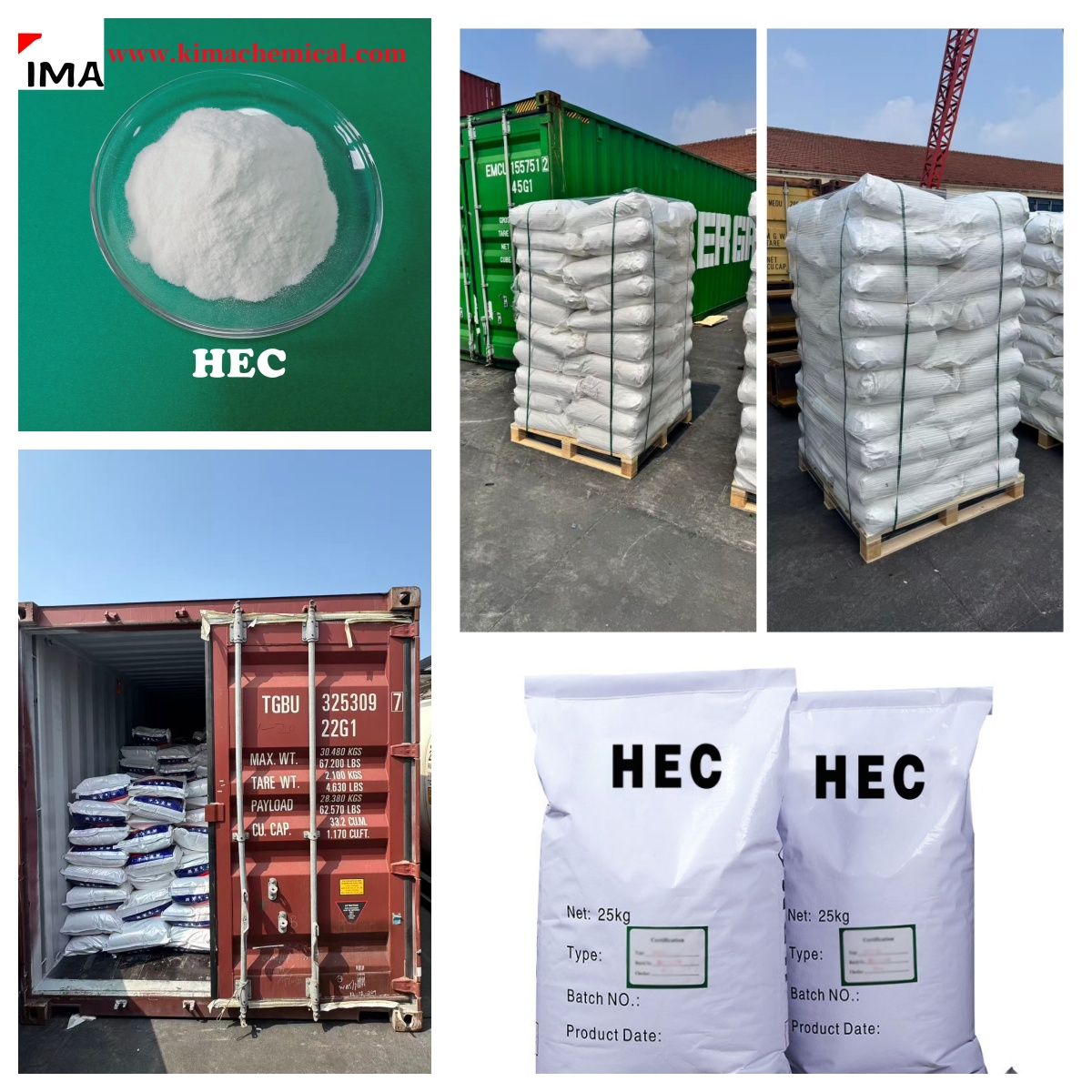
HEC powder is a versatile and indispensable cellulose ether in modern industries. Its key benefits—rheology modification, water retention, suspension stabilization, and film formation—make it essential in:
Construction materials like mortars, tile adhesives, wall putty, and self-leveling compounds
Home care products such as detergents, polishes, and surface cleaners
Personal care and HEC cosmetics for gels, creams, and lotions
Oilfield drilling fluids for rheology control and thermal stability
Pharmaceutical suspensions, coatings, and gels
Understanding HEC structure, grades, and application techniques enables manufacturers to maximize product performance, ensure consistency, and innovate across multiple sectors.


 English
 日本語
日本語 français
 Deutsch
 Español
 العربية
 Türkçe
 italiano
 русский
 português
 Nederland